Chapter 15: Pain Assessment and Basic Comfort Measures
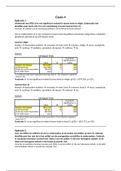
MULTIPLE CHOICE 1. The nurse is caring for a patient who is a devout Orthodox Jew. The patient is on a patient-controlled analgesia (PCA) pump. What accommodations might the nurse have to make to conform to the patient’s cultural needs? a. Ask the patient whether he will need alternative forms of medication for the Sabbath. b. Ask the patient specific questions because Jews tend to be stoic regarding pain. c. Medicate the patient “around the clock” instead of as needed (“prn”). d. Understand that Jews believe that suffering is a consequence of actions in a previous life. ANS: A Orthodox or Observant Jews may not use electrical equipment during the Sabbath and on Holy Days; therefore, the staff should program the PCA to achieve optimum pain relief. Alternative methods will be needed during these times. Cultures vary regarding when to recognize pain, what words to use in expressing pain, when to seek treatment, and what treatments are desirable. Russians, Asians, and Native Americans tend to be stoic, whereas Italians, Puerto Ricans, and Jews tend to be more expressive. The nurse should ask the patient about his preferences. Some Hindu patients believe that suffering is a consequence of actions in a previous life. For example, a belief in the concept of Karma motivates the patient to bear the pain, refuse pain medications, and suffer in silence. S munal Students Chat Room 20 suffering that they should share with others to affirm their life experie DIF: Cognitive Level: Comprehension REF: Text reference: p. 348 OBJ: Assess a patient’s level of pain. TOP: Cultural Considerations KEY: Nursing Process Step: Assessment MSC: NCLEX: Physiological Integrity 2. The patient is admitted with chronic pain. She states that nothing takes the pain away totally, but that “Dilaudid works best.” The fact that the patient calls the medication by name should alert the nurse to: a. suspect that the patient is drug seeking. b. expect that the patient may need smaller doses than normal. c. assess the patient’s acceptable level of comfort. d. accept the fact that nothing will help this patient’s pain. ANS: C It is important to assess the patient’s acceptable level of comfort so that both you and the patient are striving for the same outcome. Some patients with prior pain conditions can alert the nurse to pain-relieving measures that were successful. Patients with chronic/persistent pain are often familiar with the names and actions of medications, including opioid medications. This should not cause you to view the patient negatively or with suspicion. Patients currently receiving opioids for chronic pain often require higher doses of analgesics to alleviate new pain. Do not accept that “there is nothing that will help this patient’s pain.” Learn the institutional policy for how to proceed in this situation.
Geschreven voor
- Instelling
-
Howard University
- Vak
-
Nursing
Documentinformatie
- Geüpload op
- 11 april 2021
- Aantal pagina's
- 29
- Geschreven in
- 2020/2021
- Type
- Tentamen (uitwerkingen)
- Bevat
- Vragen en antwoorden
Onderwerpen
- nursing
- nursing test bank
-
chapter 15 pain assessment and basic comfort measures