CLASSIC2200 Quiz Review
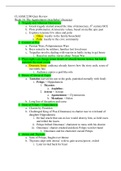
Week 16: The Agamemnon (Aeschylus’ Oresteia)
1. Tragedy and Athenian Democracy
a. Greek tragedy started around the time of democracy, 6th century BCE
b. Plots problematize Aristocratic values, based on mythic epic past
c. Explores tensions b/w oikos and polis
i. Oikos: loyalty to the family/household
ii. Polis: loyalty to the civic community
2. Context of War
a. Persian Wars, Peloponnesian Wars
b. Boys raised to be soldiers, families lost loved ones
c. Tragedies involve dealing with warrior in battle trying to get home
i. Based on mythic stories about Trojan War
3. Playwrights can change minor details of already-known stories, but had to
maintain the main events
a. Dramatic Irony: audience already knows how the story ends, sense of
inevitable fate
i. Audience enjoys a god-like role
4. House of Atreus at Argos
a. Tantalus (served his son to the gods, punished eternally with food)
i. Pelops + Hippodameia
1. Thyestes
a. Aegisthus
2. Atreus + Aerope
a. Agamemnon + Clytemnestra
b. Menelaus + Helen
b. Long line of deception and curse
5. Story of Pelops + Hippodameia
a. Chariot by Poseidon
b. Challenged King of Pisa (Oinomaos) to chariot race to win hand of
daughter Hippodameia
i. He had oracle that son-in-law would destroy him, so held races
and killed the losers
ii. Pelops bribed Oinomaos’ charioteer to mess with his chariot
iii. Oinomaos’ chariot crashed and died, Pelops won her hand
1. Oinomaos and his charioteer cursed Pelops
6. Atreus and Thyestes
a. Sons of Pelops, fought over throne
b. Thyestes slept with Atreus’ wife to gain access/power, exiled
i. Later invited back for feast
, ii. Atreus tricked him and served Thyestes’ sons to him (all except
Aegisthus)
1. Thyestes cursed Atreus, Aegisthus inherits hatred toward
Atreus and his sons
7. Agamemnon + Clytemnestra
a. 3 children
i. Iphigenia, Electra
ii. Orestes (mentioned in Odyssey)
8. Aeschylus’ Oresteia Trilogy
a. 3 plays:
i. Agamemnon
ii. Libation Bearers
iii. Eumenides
9. Themes of the Trilogy
a. Transformation of Justice
i. From violent revenge to a trial by jury
ii. Involves gods (Furies and younger), gender roles, oikos vs
polis, time, light/dark imagery, animal savagery/civilized
humanity
b. The Agamemnon
i. Oikos vs polis (military expedition)
ii. Private vs public
iii. Female vs male
10.The Agamemnon
a. Chorus composed of elders of Argos
i. Reflect on expedition to Troy
1. Seen as bringing justice, but also sacrilegious acts
ii. Sacrifice of Iphigenia
iii. Resentment and avenging of her death
b. SUMMARY:
i. Greek fleet at Aulis, portent of 2 eagles tearing a hare
1. Priest of Apollo Calchas interprets this as Agamemnon
and Menelaus sacking Troy
2. Running out of supplies, Calchas interprets as Artemis
angry at Agamemnon, needs to sacrifice daughter
Iphigenia in order to set sail
a. Compare this to the Odyssey (Polyxena to the
ghost of Achilles)
3. Has to choose b/w public duties and household, chooses
to sacrifice daughter which offends wife’s duties
Week 16: The Agamemnon (Aeschylus’ Oresteia)
1. Tragedy and Athenian Democracy
a. Greek tragedy started around the time of democracy, 6th century BCE
b. Plots problematize Aristocratic values, based on mythic epic past
c. Explores tensions b/w oikos and polis
i. Oikos: loyalty to the family/household
ii. Polis: loyalty to the civic community
2. Context of War
a. Persian Wars, Peloponnesian Wars
b. Boys raised to be soldiers, families lost loved ones
c. Tragedies involve dealing with warrior in battle trying to get home
i. Based on mythic stories about Trojan War
3. Playwrights can change minor details of already-known stories, but had to
maintain the main events
a. Dramatic Irony: audience already knows how the story ends, sense of
inevitable fate
i. Audience enjoys a god-like role
4. House of Atreus at Argos
a. Tantalus (served his son to the gods, punished eternally with food)
i. Pelops + Hippodameia
1. Thyestes
a. Aegisthus
2. Atreus + Aerope
a. Agamemnon + Clytemnestra
b. Menelaus + Helen
b. Long line of deception and curse
5. Story of Pelops + Hippodameia
a. Chariot by Poseidon
b. Challenged King of Pisa (Oinomaos) to chariot race to win hand of
daughter Hippodameia
i. He had oracle that son-in-law would destroy him, so held races
and killed the losers
ii. Pelops bribed Oinomaos’ charioteer to mess with his chariot
iii. Oinomaos’ chariot crashed and died, Pelops won her hand
1. Oinomaos and his charioteer cursed Pelops
6. Atreus and Thyestes
a. Sons of Pelops, fought over throne
b. Thyestes slept with Atreus’ wife to gain access/power, exiled
i. Later invited back for feast
, ii. Atreus tricked him and served Thyestes’ sons to him (all except
Aegisthus)
1. Thyestes cursed Atreus, Aegisthus inherits hatred toward
Atreus and his sons
7. Agamemnon + Clytemnestra
a. 3 children
i. Iphigenia, Electra
ii. Orestes (mentioned in Odyssey)
8. Aeschylus’ Oresteia Trilogy
a. 3 plays:
i. Agamemnon
ii. Libation Bearers
iii. Eumenides
9. Themes of the Trilogy
a. Transformation of Justice
i. From violent revenge to a trial by jury
ii. Involves gods (Furies and younger), gender roles, oikos vs
polis, time, light/dark imagery, animal savagery/civilized
humanity
b. The Agamemnon
i. Oikos vs polis (military expedition)
ii. Private vs public
iii. Female vs male
10.The Agamemnon
a. Chorus composed of elders of Argos
i. Reflect on expedition to Troy
1. Seen as bringing justice, but also sacrilegious acts
ii. Sacrifice of Iphigenia
iii. Resentment and avenging of her death
b. SUMMARY:
i. Greek fleet at Aulis, portent of 2 eagles tearing a hare
1. Priest of Apollo Calchas interprets this as Agamemnon
and Menelaus sacking Troy
2. Running out of supplies, Calchas interprets as Artemis
angry at Agamemnon, needs to sacrifice daughter
Iphigenia in order to set sail
a. Compare this to the Odyssey (Polyxena to the
ghost of Achilles)
3. Has to choose b/w public duties and household, chooses
to sacrifice daughter which offends wife’s duties