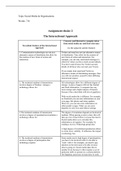
PALS Systematic Approach Algorithm
Questions And Answers
Quiz 1:
The initial impression of the PALS systematic approach algorithm includes what characteristics?
Correct Answers: - Appearance
- Breathing
- Color
The second box of the PALS systematic approach algorithm contains the following question:
Is the child __________ or is immediate __________ needed?
Correct Answers: - unresponsive
- intervention
In the PALS systematic approach algorithm, if the child is determined to be unresponsive or
immediate intervention is needed what will be your next step?
Correct Answers: Activate emergency response
After the emergency response is activated, the next intervention is to:
Correct Answers: Check for a breathing and a pulse
After it is determined that the child has no pulse, what should be done? Correct Answers: Begin CPR
A child is unresponsive and is not breathing. You have activated the emergency response system
and your pulse check reveals that the child has a pulse. What should you do now?
Correct Answers: Open the airway and provide ventilation and oxygen
A child is unresponsive and is not breathing. Emergency response was activated and now a pulse
check shows that the child does have a pulse. You then open the airway, provide age-appropriate
ventilations, and 100% oxygen with a bag valve mask. The child's pulse is < 60/min, and the child has
signs of poor perfusion. What is your next intervention?
Correct Answers: Begin CPR
The right branch of the PALS systematic approach algorithm is a sequence of three actions. In the
proper sequence, the three actions are:
Correct Answers: - evaluate
- identify
- intervene
The evaluate portion of the evaluate-identify-intervene sequence consists of what clinical assessment
tools? Correct Answers: - Diagnostic tests
- Secondary assessment
- Primary assessment
, Primary assessment: This is a rapid hands-on assessment using the ABCDE evaluation tool to
evaluate respiratory, cardiac, and neurological function. All vital signs are also included in this
assessment.
Secondary assessment: This assessment consists of a focused history and a focused physical exam.
Diagnostic tests: This assessment tool can include a number of advanced tests that can help identify
the cause of the pediatric emergency. Examples include ABG, x-ray, and laboratory blood tests.
(True or False) The sequence of evaluate-identify-intervene should be used before and after each
intervention and should continue until the child is stable.
Correct Answers: True
Quiz 2:
A consistent respiratory rate less than 10 or more than _____ breaths per minute in a child of any age
is abnormal and suggests the presence of a potentially serious problem. Correct Answers: 60
The primary objective of the Airway assessment in the ABCDE model is to assess airway _________.
Correct Answers: patency
Within the EVALUATE portion of the evaluate-identify-intervene sequence, The primary assessment
uses the ABCDE model for a hands-on evaluation of the critically ill child. What does ABCDE stand
for?
Correct Answers: - airway
- breathing
- circulation
- disability
- exposure
Simple measures for maintaining airway patency include:
Correct Answers: - Head tilt chin lift
- Jaw thrust
- Nasopharyngeal airway
Tachypnea can have both respiratory and non-respiratory causes. Select all of the non-respiratory
cause of tachypnea.
- Croup
- Pneumonia
- High Fever
- Asthma
- Severe pain
- Anemia
Correct Answers: High Fever
Severe pain
Anemia
Assessment of Breathing includes evaluation of:
Questions And Answers
Quiz 1:
The initial impression of the PALS systematic approach algorithm includes what characteristics?
Correct Answers: - Appearance
- Breathing
- Color
The second box of the PALS systematic approach algorithm contains the following question:
Is the child __________ or is immediate __________ needed?
Correct Answers: - unresponsive
- intervention
In the PALS systematic approach algorithm, if the child is determined to be unresponsive or
immediate intervention is needed what will be your next step?
Correct Answers: Activate emergency response
After the emergency response is activated, the next intervention is to:
Correct Answers: Check for a breathing and a pulse
After it is determined that the child has no pulse, what should be done? Correct Answers: Begin CPR
A child is unresponsive and is not breathing. You have activated the emergency response system
and your pulse check reveals that the child has a pulse. What should you do now?
Correct Answers: Open the airway and provide ventilation and oxygen
A child is unresponsive and is not breathing. Emergency response was activated and now a pulse
check shows that the child does have a pulse. You then open the airway, provide age-appropriate
ventilations, and 100% oxygen with a bag valve mask. The child's pulse is < 60/min, and the child has
signs of poor perfusion. What is your next intervention?
Correct Answers: Begin CPR
The right branch of the PALS systematic approach algorithm is a sequence of three actions. In the
proper sequence, the three actions are:
Correct Answers: - evaluate
- identify
- intervene
The evaluate portion of the evaluate-identify-intervene sequence consists of what clinical assessment
tools? Correct Answers: - Diagnostic tests
- Secondary assessment
- Primary assessment
, Primary assessment: This is a rapid hands-on assessment using the ABCDE evaluation tool to
evaluate respiratory, cardiac, and neurological function. All vital signs are also included in this
assessment.
Secondary assessment: This assessment consists of a focused history and a focused physical exam.
Diagnostic tests: This assessment tool can include a number of advanced tests that can help identify
the cause of the pediatric emergency. Examples include ABG, x-ray, and laboratory blood tests.
(True or False) The sequence of evaluate-identify-intervene should be used before and after each
intervention and should continue until the child is stable.
Correct Answers: True
Quiz 2:
A consistent respiratory rate less than 10 or more than _____ breaths per minute in a child of any age
is abnormal and suggests the presence of a potentially serious problem. Correct Answers: 60
The primary objective of the Airway assessment in the ABCDE model is to assess airway _________.
Correct Answers: patency
Within the EVALUATE portion of the evaluate-identify-intervene sequence, The primary assessment
uses the ABCDE model for a hands-on evaluation of the critically ill child. What does ABCDE stand
for?
Correct Answers: - airway
- breathing
- circulation
- disability
- exposure
Simple measures for maintaining airway patency include:
Correct Answers: - Head tilt chin lift
- Jaw thrust
- Nasopharyngeal airway
Tachypnea can have both respiratory and non-respiratory causes. Select all of the non-respiratory
cause of tachypnea.
- Croup
- Pneumonia
- High Fever
- Asthma
- Severe pain
- Anemia
Correct Answers: High Fever
Severe pain
Anemia
Assessment of Breathing includes evaluation of: