Assignment B - PPP Grammar Lesson Table: First Conditional
✓ NB: Look at the model provided and make sure you understand what MFP refer to here. See Units 2 and 7. For example, in number 4 in the
table below, we do NOT mean 'What is the function of the lesson'!!!
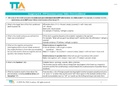
1. What is the target form of the first conditional Affirmative form: If + S + Present simple, (comma) S + will + base verb
(both clauses)? (F) (‘If”- clause)
(Base verb- result clause)
For example: if I behave, I will get a surprise
2. What is the model sentence you will elicit to Ill first elicit a question (based on the students’ example in the warmer)
begin your presentation? For example, ‘What will you get if you behave well?’ and the elicit the affirmative ‘I will get a
surprise’
Example sentence: If I behave, I will get a surprise
3. What are the negative and question Model sentence in negative form:
(interrogative) forms of your model sentence? If I do not behave, I will not get a surprise
(You might find there is more than one possibility, (condition) (Result)
but you only need to show one negative and one Form: If + Subject + do not/don’t + present simple, Subject + will not/ wont + base verb
question, then analyse the forms.)
Model sentence in question form: What will you get if you behave (this week)?
Form: interrogative+ will + Subject + base verb + if +Subject +present simple
4. What is the function? (M) Probable future- warnings, rewards, offers, promises
The function may be used to discuss things that may happen in the future as a reward or
outcome and the first conditioning is aimed towards the results/outcome of possible future
situations.
5. What do students need to know about the Pronunciation: a lot of foreign people learning English (mainly European people) pronounce
pronunciation, including sentence stress and “w” and a “v” so when they say the word “will” that is given in the example sentence they
intonation? (P) would most probably say it as “vill” so I would use the drilling technique and make them
© 2020 The TEFL Academy. All rights reserved. 1
✓ NB: Look at the model provided and make sure you understand what MFP refer to here. See Units 2 and 7. For example, in number 4 in the
table below, we do NOT mean 'What is the function of the lesson'!!!
1. What is the target form of the first conditional Affirmative form: If + S + Present simple, (comma) S + will + base verb
(both clauses)? (F) (‘If”- clause)
(Base verb- result clause)
For example: if I behave, I will get a surprise
2. What is the model sentence you will elicit to Ill first elicit a question (based on the students’ example in the warmer)
begin your presentation? For example, ‘What will you get if you behave well?’ and the elicit the affirmative ‘I will get a
surprise’
Example sentence: If I behave, I will get a surprise
3. What are the negative and question Model sentence in negative form:
(interrogative) forms of your model sentence? If I do not behave, I will not get a surprise
(You might find there is more than one possibility, (condition) (Result)
but you only need to show one negative and one Form: If + Subject + do not/don’t + present simple, Subject + will not/ wont + base verb
question, then analyse the forms.)
Model sentence in question form: What will you get if you behave (this week)?
Form: interrogative+ will + Subject + base verb + if +Subject +present simple
4. What is the function? (M) Probable future- warnings, rewards, offers, promises
The function may be used to discuss things that may happen in the future as a reward or
outcome and the first conditioning is aimed towards the results/outcome of possible future
situations.
5. What do students need to know about the Pronunciation: a lot of foreign people learning English (mainly European people) pronounce
pronunciation, including sentence stress and “w” and a “v” so when they say the word “will” that is given in the example sentence they
intonation? (P) would most probably say it as “vill” so I would use the drilling technique and make them
© 2020 The TEFL Academy. All rights reserved. 1