Social influence- Paper 1
Conformity
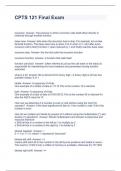
Types of conformity: internalisation, identification and compliance. Explanations for conformity: informational social
influence and normative social influence, and variables affecting conformity including group size, unanimity and task
difficulty as investigated by Asch.
Conformity: When an individual changes their behaviour or beliefs to fit in with those of a group,
due to group pressure.
Internalisation: When an individual changes their public and private views or behaviour to match
those of a group- the group has genuinely changed the person’s mind. This is a long-lasting
change and will continue outside of the group situation.
Identification: When an individual changes their public views to match those of a group because
they value the group and wish to be part of it (identify with it). There may be a difference
between the individual’s public and private views. The change is likely to last as long as the
individual is with the group.
Compliance: When an individual change their public, but not private, behaviour or views to
match those of a group-this is a superficial type of conformity. This is a short-term change and
will only last as long as the individual is in that situation.
Explanations of Conformity
Informational social influence (ISI): When someone is influenced because they look to others for
guidance- they are uncertain how to behave and believe the group knows more than them. This
happens in new or uncertain situations (for example, starting a new job and being unsure of the
correct procedures). ISI tends to lead to internalisation.
Normative social influence (NSI): When someone is influenced to fit in with the social norms and
values of a particular group to gain their approval- they conform in order to not stand out or
appear different (for example checking what their friends are wearing before meeting up, so you
can dress similarly). The individual’s private views can differ,1 so NSI often results in
compliance.
,Point Evidence Counter Explanation
Research support for ISI Lucas et al asked However, there is an The study shows that people
students to give answers individual difference in conform in situations where
to mathematical ISI. For example, Asch they feel they don’t know the
problems that were easy found that students were answer, which is exactly the
or more difficult. There less conformist than outcome predicted by the ISI
was greater conformity to other participants. explanation however, not seen
incorrect answers when Perrins and Spencer in more confident people like
they were difficult rather found little conformity in students
than when they were engineering students
easy.
Individual differences in NSI. For example, people who However, there is This shows that the desire to
Some research shows that are less concerned with research support for be liked underlies conformity
NSI does not affect being liked are less NSI. Asch found that for some people more than
everyone’s behaviour in the affected by many of his participants others. therefore there are
same way. NSI(nAffiliators) McGhee went along with clearly individual differences in the
and Teevan found that wrong answers just way people respond.
students high in need of because other people
affiliation were more did.
likely to conform
ISI and NSI work together. For example, conformity This shows that it isn't always
Both processes are involved is reduced when there possible to be sure whether
rather than a ‘two-process’ are dissenting NSi or ISI is at work. This is
approach participants in Asch's the case in lab studies, but
experiment. This even truer in real-life
dissenter could reduce conformity situations.
the power NSI(could
provide social support) or
may reduce the power of
ISI (provide an
alternative source of
information)
, Asch’s Research(1951)
Aim: to see if people will conform to a majority, even with an obvious answer.
Procedure: 123 American males took part. They were in groups of 6-8, but only one was a true
participant- the rest were confederates (told how to act by the researcher). They had to answer
out loud which line, from a choice of three, matched a ‘control’ line. The answer was obvious.
There were 18 trials, and on 12 of them (‘critical trials’), the confederates all gave the same
wrong answer. The actual participant gave their answer last or last-but-one.
Findings: 36.8% of the answers provided by the participants were conforming answers. 75% of
participants conformed at least once.
Conclusions: People will conform to a majority, even if that majority is wrong. Afterwards,
participants said they conformed in order to fit in.
Variation -
- Group size: Asch found that a majority of 3 (e.g. 4 against 1) causes conformity to rise
significantly, to around 30%. Adding people to the majority did not make much
difference.
- Unanimity: Asch found that introducing a dissenting confederate, who disagreed with the
others, caused conformity to drop significantly. This freed the participants from the
pressure to conform.
- Task difficulty: Asch found that conformity increased under these conditions. This
suggests that informational social influence plays a greater role when the task gets
harder due to ambiguity.
Point Evidence Counter Explanation
Asch’s research may be ‘a Perrin and Spencer However, another study This confirmed that conformity
child of its time’ repeated Asch’s original used youths on is more likely if the perceived
study with engineering probation as participants costs of not conforming are
students in the UK. Only and probation officers as high (Perrin and
one student conformed in the confederates. This Spencer,1980), which would
a total of nearly 400 time they found similar have been the case during the
trials. It may be that levels of conformity to McCathy era in the US.
engineering students those found by Asch
were more confident and back in the 1950s
less conformist. But it
could be that it was
1950s America, an
Conformity
Types of conformity: internalisation, identification and compliance. Explanations for conformity: informational social
influence and normative social influence, and variables affecting conformity including group size, unanimity and task
difficulty as investigated by Asch.
Conformity: When an individual changes their behaviour or beliefs to fit in with those of a group,
due to group pressure.
Internalisation: When an individual changes their public and private views or behaviour to match
those of a group- the group has genuinely changed the person’s mind. This is a long-lasting
change and will continue outside of the group situation.
Identification: When an individual changes their public views to match those of a group because
they value the group and wish to be part of it (identify with it). There may be a difference
between the individual’s public and private views. The change is likely to last as long as the
individual is with the group.
Compliance: When an individual change their public, but not private, behaviour or views to
match those of a group-this is a superficial type of conformity. This is a short-term change and
will only last as long as the individual is in that situation.
Explanations of Conformity
Informational social influence (ISI): When someone is influenced because they look to others for
guidance- they are uncertain how to behave and believe the group knows more than them. This
happens in new or uncertain situations (for example, starting a new job and being unsure of the
correct procedures). ISI tends to lead to internalisation.
Normative social influence (NSI): When someone is influenced to fit in with the social norms and
values of a particular group to gain their approval- they conform in order to not stand out or
appear different (for example checking what their friends are wearing before meeting up, so you
can dress similarly). The individual’s private views can differ,1 so NSI often results in
compliance.
,Point Evidence Counter Explanation
Research support for ISI Lucas et al asked However, there is an The study shows that people
students to give answers individual difference in conform in situations where
to mathematical ISI. For example, Asch they feel they don’t know the
problems that were easy found that students were answer, which is exactly the
or more difficult. There less conformist than outcome predicted by the ISI
was greater conformity to other participants. explanation however, not seen
incorrect answers when Perrins and Spencer in more confident people like
they were difficult rather found little conformity in students
than when they were engineering students
easy.
Individual differences in NSI. For example, people who However, there is This shows that the desire to
Some research shows that are less concerned with research support for be liked underlies conformity
NSI does not affect being liked are less NSI. Asch found that for some people more than
everyone’s behaviour in the affected by many of his participants others. therefore there are
same way. NSI(nAffiliators) McGhee went along with clearly individual differences in the
and Teevan found that wrong answers just way people respond.
students high in need of because other people
affiliation were more did.
likely to conform
ISI and NSI work together. For example, conformity This shows that it isn't always
Both processes are involved is reduced when there possible to be sure whether
rather than a ‘two-process’ are dissenting NSi or ISI is at work. This is
approach participants in Asch's the case in lab studies, but
experiment. This even truer in real-life
dissenter could reduce conformity situations.
the power NSI(could
provide social support) or
may reduce the power of
ISI (provide an
alternative source of
information)
, Asch’s Research(1951)
Aim: to see if people will conform to a majority, even with an obvious answer.
Procedure: 123 American males took part. They were in groups of 6-8, but only one was a true
participant- the rest were confederates (told how to act by the researcher). They had to answer
out loud which line, from a choice of three, matched a ‘control’ line. The answer was obvious.
There were 18 trials, and on 12 of them (‘critical trials’), the confederates all gave the same
wrong answer. The actual participant gave their answer last or last-but-one.
Findings: 36.8% of the answers provided by the participants were conforming answers. 75% of
participants conformed at least once.
Conclusions: People will conform to a majority, even if that majority is wrong. Afterwards,
participants said they conformed in order to fit in.
Variation -
- Group size: Asch found that a majority of 3 (e.g. 4 against 1) causes conformity to rise
significantly, to around 30%. Adding people to the majority did not make much
difference.
- Unanimity: Asch found that introducing a dissenting confederate, who disagreed with the
others, caused conformity to drop significantly. This freed the participants from the
pressure to conform.
- Task difficulty: Asch found that conformity increased under these conditions. This
suggests that informational social influence plays a greater role when the task gets
harder due to ambiguity.
Point Evidence Counter Explanation
Asch’s research may be ‘a Perrin and Spencer However, another study This confirmed that conformity
child of its time’ repeated Asch’s original used youths on is more likely if the perceived
study with engineering probation as participants costs of not conforming are
students in the UK. Only and probation officers as high (Perrin and
one student conformed in the confederates. This Spencer,1980), which would
a total of nearly 400 time they found similar have been the case during the
trials. It may be that levels of conformity to McCathy era in the US.
engineering students those found by Asch
were more confident and back in the 1950s
less conformist. But it
could be that it was
1950s America, an