AP World History Unit 2 Review Already Passed
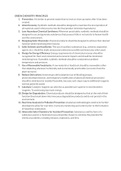
AP World History Unit 2 Review Already Passed qin shihuangdi Ruler of China who united China for the first time. He built road and canals and began the Great Wall of China. He also imposed a standard system of laws, money, weights, and writing. *significant because he contributed to Chinese language and coinage/currency. qin dynasty the Chinese dynasty (from 246 BC to 206 BC) that established the first centralized imperial government and built much of the Great Wall *significant because the Great Wall was built in this dynasty, first centralized empire. republic a political system in which the supreme power lies in a body of citizens who can elect people to represent them *significant because it shows how republics today are similar or dissimilar. Han Dynasty (202 BCE-220 CE) This dynasty continued the centralization of the Qin Dynasty, but focused on Confucianism and education instead of Legalism. *significant because Confucianism is used a lot during this time period. confucius Chinese philosopher (circa 551-478 BC) *significant because he founded Confucianism and is still widely practiced today. plebeians the poorer majority of the roman empire; the working class; couldnt be part of government; could vote but not hold office; couldnt be in army *significant because it shows us patterns in roman empire with social/gender classes/divisions civil service exams Confucian exam to acquire a position in the Chinese bureaucracy *significant because it shows us how important it was to know material and have good values was to Confucius. empire the domain ruled by an emperor or empress *significant because it shows patterns with empires and emperors/empress' patricians the wealthy class in Roman society; landowners *significant because it shows patterns of the social classes in Classic Rome Silk Road an ancient trade route between China and the Mediterranean (4,000 miles) *significant because it spread many goods such as spices, silk, and gunpowder, and religions such as buddhism and christianity throughout asia and much of europe. Julius Caesar Dictator of Rome Circa 100-44 BCE *significant because under his rule did the Roman Republic become an empire. Pax Romana "the Roman peace", A period of peace and prosperity throughout the Roman Empire, lasting from 27 B.C. to A.D. 180. *significant because it shows periods of prosperity in the roman empire Scholar Gentry the educated upper classes in China *significant because it shows social class divisions in the golden age of china. Twelve Tables the earliest written collection of Roman laws, drawn up by patricians about 450B.C., that became the foundation of Roman law *significant because it is the foundation of roman laws which in turn lay the foundation for many laws still active present day. slaves people who were regarded as the property of their masters *significant because slaves have been used th
Written for
- Institution
- AP World History
- Course
- AP World History
Document information
- Uploaded on
- October 5, 2022
- Number of pages
- 7
- Written in
- 2022/2023
- Type
- Exam (elaborations)
- Contains
- Questions & answers
Subjects
-
ap world history unit 2 review already passed
-
qin shihuangdi ruler of china who united china for the first time he built road and canals and began the great wall of china he also imposed a standard