EKN 120
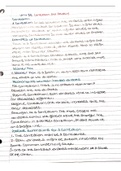
Chapter 12: Measuring domestic output and national
income
Assessing the Economy’s performance
National Income Accounting
The techniques used to measure the overall production of the economy and other related
variables for the nation as a whole
Economy’s aggregate performance analogous to private accounting for individuals
It enables the economists and policy makers to:
Assess the health of the economy by comparing levels of production at regular intervals
Track the long-run course of the economy to see whether it has grown, been constant, or
declined
Formulate policies that will safeguard and improve the economy’s health
GDP vs. GNI
Gross Domestic Product (GDP)
The total market value of all final goods and services provided in a given year within the
border of a country
Citizen-supplied or foreign-supplied resources employed within the country
Gross National Income (GNI)
The total market value of all final goods and services produced in a given year by the
residents or registered business owners from a particular country or anywhere in the world
Ownership based
Also, what is earned abroad and repatriated by residents
GDP @ Factor, Basic and Market Prices
Gross value Added @ Factor Cost
Linked to Income approach
Plus, other taxes on production
Less subsidies on production
Gross Value added @ Basic Price
Plus, taxes on products
Less subsidies on products
Gross Value Added @ factor cost +Taxes on production – subsidies on production = GVA
@basic prices
Gross domestic Product @ market Price
Linked to expenditure approach
GVA @ basic prices + Taxes on products – Subsidies on products = GDP @ market prices
, Taxes and subsidies on Production
Taxes on Production
Refers to tax on production not linked to specific goods or services
Property taxes and UIF
Gets added to wages, rent, interest and profits for accounting convenience
Subsidies on Production
Subsidies paid to businesses in order to subsidise the production of a particular commodity
to allow manufacturers to sell at a lower price
Also gets added to wages, rent, interest and profits for accounting convenience
Taxes on products
Taxes payable per unit of some good or service
Vat, Excise Taxes, Business property taxes, license fees, custom duties
Sin taxes on alcohol and cigarettes
Propose export tax on scrap metals
Gross Domestic Product (GDP)
GDP is a measure of the total market value of all final goods and services produced by the
economy in a given year
1.Monetary measure
2.Multiple Counting
Wrongly including the value of intermediate goods in the GDP; counting the same good or
service more than once
Intermediate good: Products that are purchases for resale or further processing or
manufacturing
Most products go through a series of production stages before they reach the final market
GDP only includes final goods
Value added measurement
3. Exclude non-production transactions
Two Approaches to GDP
1. Income Approach
Wages/rental incomes, interest income/profits, concerns income derived or created from
production
Wages + Rents +Interests + Profits + Statistical Adjustments -net foreign factor income
Wages:
o Compensation of employees
o Largest share of national income
o Salary supplements also included
o Salary supplements: Payments to social, insurance, pension, health and welfare
funds for workers
Rents+ Interest:
o Net operating surplus
o Rent from the supply of property resources
Chapter 12: Measuring domestic output and national
income
Assessing the Economy’s performance
National Income Accounting
The techniques used to measure the overall production of the economy and other related
variables for the nation as a whole
Economy’s aggregate performance analogous to private accounting for individuals
It enables the economists and policy makers to:
Assess the health of the economy by comparing levels of production at regular intervals
Track the long-run course of the economy to see whether it has grown, been constant, or
declined
Formulate policies that will safeguard and improve the economy’s health
GDP vs. GNI
Gross Domestic Product (GDP)
The total market value of all final goods and services provided in a given year within the
border of a country
Citizen-supplied or foreign-supplied resources employed within the country
Gross National Income (GNI)
The total market value of all final goods and services produced in a given year by the
residents or registered business owners from a particular country or anywhere in the world
Ownership based
Also, what is earned abroad and repatriated by residents
GDP @ Factor, Basic and Market Prices
Gross value Added @ Factor Cost
Linked to Income approach
Plus, other taxes on production
Less subsidies on production
Gross Value added @ Basic Price
Plus, taxes on products
Less subsidies on products
Gross Value Added @ factor cost +Taxes on production – subsidies on production = GVA
@basic prices
Gross domestic Product @ market Price
Linked to expenditure approach
GVA @ basic prices + Taxes on products – Subsidies on products = GDP @ market prices
, Taxes and subsidies on Production
Taxes on Production
Refers to tax on production not linked to specific goods or services
Property taxes and UIF
Gets added to wages, rent, interest and profits for accounting convenience
Subsidies on Production
Subsidies paid to businesses in order to subsidise the production of a particular commodity
to allow manufacturers to sell at a lower price
Also gets added to wages, rent, interest and profits for accounting convenience
Taxes on products
Taxes payable per unit of some good or service
Vat, Excise Taxes, Business property taxes, license fees, custom duties
Sin taxes on alcohol and cigarettes
Propose export tax on scrap metals
Gross Domestic Product (GDP)
GDP is a measure of the total market value of all final goods and services produced by the
economy in a given year
1.Monetary measure
2.Multiple Counting
Wrongly including the value of intermediate goods in the GDP; counting the same good or
service more than once
Intermediate good: Products that are purchases for resale or further processing or
manufacturing
Most products go through a series of production stages before they reach the final market
GDP only includes final goods
Value added measurement
3. Exclude non-production transactions
Two Approaches to GDP
1. Income Approach
Wages/rental incomes, interest income/profits, concerns income derived or created from
production
Wages + Rents +Interests + Profits + Statistical Adjustments -net foreign factor income
Wages:
o Compensation of employees
o Largest share of national income
o Salary supplements also included
o Salary supplements: Payments to social, insurance, pension, health and welfare
funds for workers
Rents+ Interest:
o Net operating surplus
o Rent from the supply of property resources