ATI Learning System Gerontology practice quiz w/rationales already passed
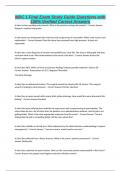
ATI Learning System Gerontology practice quiz w/rationales already passed A nurse is caring for an older adult client who has pneumonia. Which of the following physiologic changes associated with aging places the client at a greater risk for pneumonia? A. Decreased anterior-posterior diameter B. Increased diameter of the small airways C. Decreased number of cilia D. Increased alveolar surface area C. Decreased number of cilia Decreased anterior-posterior diameterA physiologic change associated with aging is a calcification of the bronchial and costal (rib) cartilage and diminished chest wall compliance, leading to an increase in the anterior-posterior diameter. The resultant reduced total lung capacity puts the client at increased risk for hypoxemia. Increased diameter of the small airwaysA physiologic change associated with aging is a decreased diameter of the small airways. However, the diameter of the large airways does increase with age, and these two factors combined can lead to an increase in dead space, gas trapping, and ventilation-perfusion imbalance. Decreased number of ciliaMY ANSWERA physiologic change associated with aging is a decreased number of cilia. This, along with a less effective cough, leads to diminished efficiency of the normal defense mechanisms for clearing the airway, putting the client at increased risk for infection, such as pneumonia. Increased alveolar surface areaA physiologic change associated with aging is an increase in the size of the alveolar ducts and respiratory bronchioles, leading to a decrease in the alveolar surface area. Consequently, there is less surface area for gas exchange to occur, putting the client at an increased risk for hypoxemia. A nurse us contributing to the plan of care for a client who had a recent stroke and a history of gastroesophageal reflux disease (GERD). For which of the following disorders should the nurse plan to monitor this client? A. Duodenal ulcer disease B. Aspiration pneumonia C. Viral pneumonia D. Esophageal varices B. Aspiration pneumonia Duodenal ulcer diseaseThe acidity of stomach contents that reflux back into the esophagus results in an inflamed esophagus, not duodenum, which is a section of the small intestine. With duodenal ulcer disease, there are ulcers in the duodenum, usually associated with stress, COPD, pancreatic disease, and chronic renal failure. Aspiration pneumonia- results in reflux of gastric secretions from the stomach into the lower esophagus. When regurgitation occurs, the client is at high risk for pneumonia. Pneumonia occurs due to aspiration of gastric contents into the airway. This client is at increased risk for dysphagia due to the stroke and history of GERD; therefore, the nurse should monitor closely for aspiration pneumonia. Viral pneumonia- The cause of viral pneumonia is an inhaled virus that settles in the lungs. GERD does not increase the risk of viral pneumonia. Esophageal varices occur in clients who have portal hypertension, usually due to hepatic cirrhosis. A nurse is caring for an older adult client. Which of the following physiologic changes associated with aging can affect medication dosage in this client? A. Increased glomerular filtration rate B. Decreased body fat C. Decreased gastric motility D. Decreased gastric pH C. Decreased gastric motility Increased glomerular filtration rate- The aging process results in a decreased glomerular filtration rate and causes the medications to filter at a slower rate, causing them to remain in the body longer. Decreased body fat- Body fat increases with aging. Medications that are stored in adipose tissue will have an increased tissue concentration, decreased plasma concentration, and a longer duration in the body. Decreased gastric motility- Decreased gastric motility results in medications remaining in the digestive tract for longer periods of time, leading to slow absorption of the medication. The provider might have to allow for a longer time for medication onset and peak by extending the length of time between doses. Decreased gastric pH- With aging, gastric pH increases, becoming more alkaline. The nurse should avoid giving preparations that neutralize gastric secretions if a low gastric pH is required for medication absorption. A nurse is reviewing the medical record of a client who is postmenopausal and has osteoporosis. The client has a new prescription for alendronate sodium. Which of the following findings in the client's history should the nurse recognize is a contradiction to this medication? A. Glaucoma B. Paget's disease C. Esophageal stricture (achalasia) D. Long-term corticosteriod use C. Esophageal stricture (achalasia) This indicates for delayed esophageal emptying. Glaucoma is a degenerative eye disease where increased intraocular pressure causes damage to the optic nerve. It is not a contraindication to the use of alendronate sodium. Paget's disease is a metabolic bone disease that involves bone destruction and regrowth that results in deformity. Medical treatment with a bisphosphonate, such as alendronate sodium, is considered first-line therapy. Esophageal achalasia- Clients who have a history of esophageal abnormalities, such as stricture or achalasia, have delayed esophageal emptying, which greatly increases the client's risk for esophageal erosion, bleeding, and perforation. Alendronate sodium is a bisphosphonate, which prevents or slows weakening of bone. It is used to prevent and treat postmenopausal osteoporosis. The nurse should instruct the client to wait at least 30 min after taking alendronate sodium before eating, drinking, or taking other medications, and caution her not to lie down for at least 30 min after taking the medication. Standing or sitting upright ensures that the client gets the full dose and decreases heartburn or the risk of injury to the esophagus. Long-term corticosteroid useLong-term steroid use is frequently associated with the development of osteoporosis, and treatment with a bisphosphonate is considered first-line therapy. Alendronate sodium is a bisphosphonate, which prevents or slows weakening of bone. It is used to prevent and treat postmenopausal osteoporosis and Paget's disease. A nurse is assisting with the admission of an older adult client who fell at home 3 days ago. The client has a fractured hip, malnutrition, and dehydration
Written for
- Institution
- ATI Learning System Gerontology
- Course
- ATI Learning System Gerontology
Document information
- Uploaded on
- December 27, 2022
- Number of pages
- 31
- Written in
- 2022/2023
- Type
- Exam (elaborations)
- Contains
- Questions & answers
Subjects
-
ati learning system gerontology practice quiz wrationales already passed
-
a nurse is caring for an older adult client who has pneumonia which of the following physiologic changes associated with agin

Document also available in package deal