NUR 280 exam 3 questions with 100% correct answers
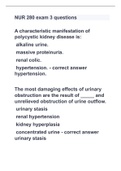
A characteristic manifestation of polycystic kidney disease is: alkaline urine. massive proteinuria. renal colic. hypertension. hypertension. The most damaging effects of urinary obstruction are the result of _____ and unrelieved obstruction of urine outflow. urinary stasis renal hypertension kidney hyperplasia concentrated urine urinary stasis 00:02 01:51 Glomerulonephritis is usually caused by: glomerular membrane viruses. catheter-induced infection. vesicoureteral reflux. antigen-antibody complexes. antigen-antibody complexes. The edema that develops in persons with glomerulonephritis and nephrotic syndrome reflects: salt and water retention. decreased glomerular permeability. inability to concentrate urine. obstruction and reflux salt and water retention. The initiating event in the development of nephrotic syndrome is a derangement in the glomerular membrane that causes increased permeability to: antibody complexes. plasma proteins. inflammatory cells. red blood cells. plasma proteins. High-risk factors for development of adult renal cell cancer include: anorexia/bulimia disorder. inherited renal disease. heavy smoking. adrenal medulla tumors. heavy smoking. Which of the following assessment findings is most suggestive of nephrotic syndrome? Hematuria and anemia Proteinuria and generalized edema Increased creatinine with normal blood urea nitrogen Renal colic and increased serum sodium Proteinuria and generalized edema The most recent assessment of a patient with a diagnosis of type 1 diabetes indicates a heightened risk of diabetic nephropathy. Which of the following assessment findings is most suggestive of this increased risk? Diabetic retinopathy Microalbuminuria Hematuria Orthostatic hypotension Microalbuminuria An elderly female patient has been hospitalized for the treatment of acute pyelonephritis. Which of the following characteristics of the patient is most likely implicated in the etiology of her current health problem? The patient recently had a urinary tract infection. The patient has peripheral vascular disease. The patient takes a diuretic and an ACE inhibitor each day for the treatment of hypertension. The patient was diagnosed with type 2 diabetes several years earlier. The patient recently had a urinary tract infection. An adult patient has been diagnosed with polycystic kidney disease. Which of the patient's following statements demonstrates an accurate understanding of this diagnosis? "I suppose I really should have paid more attention to my blood pressure." "I've always been prone to getting UTIs, and now I know why." "I had a feeling that I was taking too many medications, and now I know the damage they can do." "I suppose I should be tested to see if my children might inherit this." "I suppose I should be tested to see if my children might inherit this."
Written for
- Institution
- Nursing pharmacology
- Course
- Nursing pharmacology
Document information
- Uploaded on
- March 12, 2023
- Number of pages
- 43
- Written in
- 2022/2023
- Type
- Exam (elaborations)
- Contains
- Questions & answers
Subjects
-
nur 280 exam 3 questions with 100 correct answers

Also available in package deal