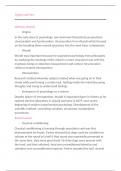
Hematology – NCLEX questions with complete solutions
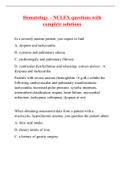
In a severely anemic patient, you expect to find A. dyspnea and tachycardia. B. cyanosis and pulmonary edema. C. cardiomegaly and pulmonary fibrosis. D. ventricular dysrhythmias and wheezing. correct answer: A. dyspnea and tachycardia. Patients with severe anemia (hemoglobin 6 g/dL) exhibit the following cardiovascular and pulmonary manifestations: tachycardia, increased pulse pressure, systolic murmurs, intermittent claudication, angina, heart failure, myocardial infarction; tachypnea, orthopnea, dyspnea at rest. When obtaining assessment data from a patient with a microcytic, hypochromic anemia, you question the patient about A. folic acid intake. B. dietary intake of iron. C. a history of gastric surgery. D. a history of sickle cell anemia. correct answer: B. dietary intake of iron. Iron deficiency anemia is a type of microcytic, hypochromic anemia. When caring for a patient with metastatic cancer, you note a hemoglobin level of 8.7 g/dL and hematocrit of 26%. You place highest priority on initiating interventions that can reduce A. thirst. B. fatigue. C. headache. D. abdominal pain. correct answer: B. fatigue. The patient with a low hemoglobin level and hematocrit is anemic and is most likely to experience fatigue. Fatigue develops because of the lowered oxygen-carrying capacity that leads to reduced tissue oxygenation with which to carry out cellular functions. You are caring for a patient with a diagnosis of iron-deficiency anemia. Which clinical manifestations are you most likely to observe when assessing this patient? A. Convex nails, bright red gums, and
Written for
- Institution
- Nclex
- Module
- Nclex
Document information
- Uploaded on
- March 24, 2023
- Number of pages
- 36
- Written in
- 2022/2023
- Type
- Exam (elaborations)
- Contains
- Questions & answers
Subjects
-
hematology – nclex questions with complete solutions

Also available in package deal