Hofling Hospital ::: Field
Aim
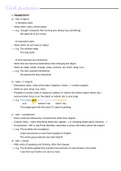
Hofling (1966) created a more realistic study of obedience than Milgram’s by carrying out field
studies on nurses who were unaware that they were involved in an experiment.
Method
The procedure involved a naturalistic field experiment involving 22 (real) night nurses. Dr. Smith (a
stooge) phones the nurses at hospital (on 22 separate occasions) and asks them to check to see if
they have the drug astroten.
When the nurse checks she can see that the maximum dosage is supposed to be 10mg. When they
reported to the ‘Doctor’, they were told to administer 20mg of the drug to a patient called ‘Mr.
Jones’. Dr. Smith was in a desperate hurry and he would sign the authorization form when he came
to see Mr. Jones later on.
The nurses were watched to see what they would do. The medication was not real, though the
nurses thought it was.
If the nurse administers the drug, they will have broken three hospital rules:
1. They are not allowed to accept instructions over the phone.
2. The dose was double the maximum limit stated on the box.
3. The medicine itself as unauthorized, i.e. not on the ward stock list.
The drug itself was a harmless sugar pill invented just for the experiment.
Results
21 out of 22 (95%) nurses were easily influenced into carrying out the orders. They were not
supposed to take instructions by phone, let alone exceed the allowed dose (The drug was a placebo).
When other nurses were asked to discuss what they would do in a similar situation (i.e. a control
group), 21 out of 22 said they would not comply with the order.
Conclusion
Hofling demonstrated that people are very unwilling to question supposed ‘authority’, even when
they might have good reason to.
Critical Evaluation + Ethical issue
A strength of this study is that it has high levels of ecological validity, due to the fact it was
conducted in a real life environment. However, the study broke the ethical guideline of deception, as
neither the doctor was real.
Aim
Hofling (1966) created a more realistic study of obedience than Milgram’s by carrying out field
studies on nurses who were unaware that they were involved in an experiment.
Method
The procedure involved a naturalistic field experiment involving 22 (real) night nurses. Dr. Smith (a
stooge) phones the nurses at hospital (on 22 separate occasions) and asks them to check to see if
they have the drug astroten.
When the nurse checks she can see that the maximum dosage is supposed to be 10mg. When they
reported to the ‘Doctor’, they were told to administer 20mg of the drug to a patient called ‘Mr.
Jones’. Dr. Smith was in a desperate hurry and he would sign the authorization form when he came
to see Mr. Jones later on.
The nurses were watched to see what they would do. The medication was not real, though the
nurses thought it was.
If the nurse administers the drug, they will have broken three hospital rules:
1. They are not allowed to accept instructions over the phone.
2. The dose was double the maximum limit stated on the box.
3. The medicine itself as unauthorized, i.e. not on the ward stock list.
The drug itself was a harmless sugar pill invented just for the experiment.
Results
21 out of 22 (95%) nurses were easily influenced into carrying out the orders. They were not
supposed to take instructions by phone, let alone exceed the allowed dose (The drug was a placebo).
When other nurses were asked to discuss what they would do in a similar situation (i.e. a control
group), 21 out of 22 said they would not comply with the order.
Conclusion
Hofling demonstrated that people are very unwilling to question supposed ‘authority’, even when
they might have good reason to.
Critical Evaluation + Ethical issue
A strength of this study is that it has high levels of ecological validity, due to the fact it was
conducted in a real life environment. However, the study broke the ethical guideline of deception, as
neither the doctor was real.