Travel Medicine
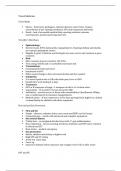
Travel Risks
Illness – food borne pathogens, endemic diseases, insect bites, trauma,
exacerbation of pre-existing conditions, STIs and respiratory infections
Death – lack of accessible medical help, sporting activities, extreme
environments, alcohol and being male (4x)
Traveller’s Diarrhoea
Epidemiology:
Enteroviruses, ETEC, Salmonella, Campylobacter, Cryptosporidium and Giardia
are common pathogenic causes
Shigella, S.typhi, V.cholerae and Paratyphi are more severe and common in poor
countires
Risk:
More common in poor countries (20-50%)
Very young, elderly and co-morbidities increases risk
Transmission:
Contaminated foods and water
Inactivated at 60oC
Other causes change in diet, increased alcohol and hot weather
Symptoms:
3 or more liquid stools in 24h with abdo pain, fever or N&V
Usually first week lasting 3-4 days
Treatment:
ORT or 8 teaspoons of sugar, ½ teaspoon of salt in 1L of clean water
Loperamide – CI in under 12 years and active IBD
Antibiotics – used in severe or those with comorbidities, Ciprofloxacin 500mg
stat or Azithromycin if resistance Campylobacter
Medical advice – if don’t improve in a few days, passing blood, high fever, elderly
or immediately for children with these symptoms
First Aid and Sun Protection
First aid kit:
Simple – plasters, calamine lotion, sun-cream and EHIC card in Europe
Comprehensive – sterile with advanced and complete equipment
Sun related illness:
Prickly heat – sweat glands blocked treat with 1st gen antihistamines
Heat exhaustion – heavy sweating, tiredness, headache and N&V more common
in elderly and HT
Heat stroke – medical emergency
Sun protection:
Babies, children and elderly at highest risk
High SPF and UV rating
Avoid sun 11am-3pm
Cover up
Sunscreen 30mins before exposure and reapply every 4-5h or after water
DVT and PE
, DVT:
Symptoms – pain, swelling and heavy feeling
Usually in calf below knee
Occurs after long-haul flight
Reduce risk – stop smoking, healthy weight, stay hydrated, wear loose clothes
and compression stockings
PE:
Result of DVT
Symptoms – chest pain, coughing up blood and loss of consciousness
Vaccination
Boosters unless CI
CI:
Previous anaphylactic reaction (egg protein in yellow fever and influenza)
Pregnant or immunocompromised
Acutely unwell
Advise For Pre-existing Conditions
Inform their insurance company
Talk to GP about travel
Carry a doctor’s note and Pxs
Ensure medication is legal in destination
DM:
Can make diagnosis of malaria complicated
Travelling east shortens the day (reduce food and insulin) and west lengthens
the day (increase food and insulin)
Adjust medication accordingly and get advice
Splenectomy:
Avoid malaria endemic countries as illness more severe if contracted
Epilepsy:
Well controlled shouldn’t have an issue
Limited in malaria prophylaxis as Chloroquine and Mefloquine CI
Doxycycline half life may be reduced by barbiturates, Carbamazepine and
Phenytoin
Psychiatric illness:
Mefloquine CI if history of depression and anxiety
Immunocompromised:
Seek further advice on chemo-prophylaxis and immunisation
P&B:
Increased risk of several malaria
Refer to GP
Chloroquine and Proguanil are safe
Chloroquine resistance = bite avoidance measures
Mefloquine is safe in 2nd and 3rd trimester
5mg folic acid supplement needed with Proguanil
Doxycycline is CI as secreted in breast milk
In breastfeeding Mefloquine shouldn’t be taken by both mother and baby
Liver and renal impairment:
Similar to immunocompromised
Refer to a specialist
CVD:
Travel Risks
Illness – food borne pathogens, endemic diseases, insect bites, trauma,
exacerbation of pre-existing conditions, STIs and respiratory infections
Death – lack of accessible medical help, sporting activities, extreme
environments, alcohol and being male (4x)
Traveller’s Diarrhoea
Epidemiology:
Enteroviruses, ETEC, Salmonella, Campylobacter, Cryptosporidium and Giardia
are common pathogenic causes
Shigella, S.typhi, V.cholerae and Paratyphi are more severe and common in poor
countires
Risk:
More common in poor countries (20-50%)
Very young, elderly and co-morbidities increases risk
Transmission:
Contaminated foods and water
Inactivated at 60oC
Other causes change in diet, increased alcohol and hot weather
Symptoms:
3 or more liquid stools in 24h with abdo pain, fever or N&V
Usually first week lasting 3-4 days
Treatment:
ORT or 8 teaspoons of sugar, ½ teaspoon of salt in 1L of clean water
Loperamide – CI in under 12 years and active IBD
Antibiotics – used in severe or those with comorbidities, Ciprofloxacin 500mg
stat or Azithromycin if resistance Campylobacter
Medical advice – if don’t improve in a few days, passing blood, high fever, elderly
or immediately for children with these symptoms
First Aid and Sun Protection
First aid kit:
Simple – plasters, calamine lotion, sun-cream and EHIC card in Europe
Comprehensive – sterile with advanced and complete equipment
Sun related illness:
Prickly heat – sweat glands blocked treat with 1st gen antihistamines
Heat exhaustion – heavy sweating, tiredness, headache and N&V more common
in elderly and HT
Heat stroke – medical emergency
Sun protection:
Babies, children and elderly at highest risk
High SPF and UV rating
Avoid sun 11am-3pm
Cover up
Sunscreen 30mins before exposure and reapply every 4-5h or after water
DVT and PE
, DVT:
Symptoms – pain, swelling and heavy feeling
Usually in calf below knee
Occurs after long-haul flight
Reduce risk – stop smoking, healthy weight, stay hydrated, wear loose clothes
and compression stockings
PE:
Result of DVT
Symptoms – chest pain, coughing up blood and loss of consciousness
Vaccination
Boosters unless CI
CI:
Previous anaphylactic reaction (egg protein in yellow fever and influenza)
Pregnant or immunocompromised
Acutely unwell
Advise For Pre-existing Conditions
Inform their insurance company
Talk to GP about travel
Carry a doctor’s note and Pxs
Ensure medication is legal in destination
DM:
Can make diagnosis of malaria complicated
Travelling east shortens the day (reduce food and insulin) and west lengthens
the day (increase food and insulin)
Adjust medication accordingly and get advice
Splenectomy:
Avoid malaria endemic countries as illness more severe if contracted
Epilepsy:
Well controlled shouldn’t have an issue
Limited in malaria prophylaxis as Chloroquine and Mefloquine CI
Doxycycline half life may be reduced by barbiturates, Carbamazepine and
Phenytoin
Psychiatric illness:
Mefloquine CI if history of depression and anxiety
Immunocompromised:
Seek further advice on chemo-prophylaxis and immunisation
P&B:
Increased risk of several malaria
Refer to GP
Chloroquine and Proguanil are safe
Chloroquine resistance = bite avoidance measures
Mefloquine is safe in 2nd and 3rd trimester
5mg folic acid supplement needed with Proguanil
Doxycycline is CI as secreted in breast milk
In breastfeeding Mefloquine shouldn’t be taken by both mother and baby
Liver and renal impairment:
Similar to immunocompromised
Refer to a specialist
CVD: