Autoimmune
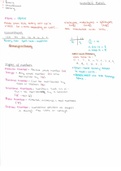
Immune response against self (autologous) antigens
Adaptive immune system mounts the attack
Immunogen – substance that triggers an immune response
Tolerogen – antigens that induce tolerance instead of an immune response
Tolerance
Central tolerance:
Limits the development of auto-reactive B and T cells
Immature T lymphocytes in the thymus go through positive selection
(intermediate interactions TCR-antigen), negative selection if strong affinity for
self antigens
Immature B lymphocytes in the bone marrow have high avidity for self antigens
undergo receptor editing by altering the light chain of the BCR, if this fails then
negative selection
Peripheral tolerance:
Regulates auto-reactive cells in the circulation
T lymphocytes undergo anergy (unresponsive need co-stimulation), suppression
(by regulator T cells) or apoptosis
B lymphocytes undergo anergy (needs T cell activation), suppression (by
inhibitory receptors) or apoptosis
Autoimmune disease
Multiple layers of tolerance are dysfunctional
Sustained response to self antigens causes tissue damage
Combination of genetic susceptibility, dysfunction of tolerance and
environmental triggers
High levels of serum autoantibodies
More frequent in women (oestrogens levels have immune effect)
Having one autoimmune disease predisposes you to more
Thought to arise from pathogens having similar antigens to self ones or immune
system encounters self cells infected with pathogen so detects both antigens as
foreign
Immune response against self (autologous) antigens
Adaptive immune system mounts the attack
Immunogen – substance that triggers an immune response
Tolerogen – antigens that induce tolerance instead of an immune response
Tolerance
Central tolerance:
Limits the development of auto-reactive B and T cells
Immature T lymphocytes in the thymus go through positive selection
(intermediate interactions TCR-antigen), negative selection if strong affinity for
self antigens
Immature B lymphocytes in the bone marrow have high avidity for self antigens
undergo receptor editing by altering the light chain of the BCR, if this fails then
negative selection
Peripheral tolerance:
Regulates auto-reactive cells in the circulation
T lymphocytes undergo anergy (unresponsive need co-stimulation), suppression
(by regulator T cells) or apoptosis
B lymphocytes undergo anergy (needs T cell activation), suppression (by
inhibitory receptors) or apoptosis
Autoimmune disease
Multiple layers of tolerance are dysfunctional
Sustained response to self antigens causes tissue damage
Combination of genetic susceptibility, dysfunction of tolerance and
environmental triggers
High levels of serum autoantibodies
More frequent in women (oestrogens levels have immune effect)
Having one autoimmune disease predisposes you to more
Thought to arise from pathogens having similar antigens to self ones or immune
system encounters self cells infected with pathogen so detects both antigens as
foreign