Nurs 5315 UTA exam 1 2023 with complete solution
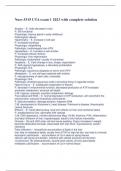
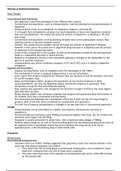
Nurs 5315 UTA exam 1 2023 with complete solution Atrophy - E. Cells decrease in size P. Still functional Physiologic: thymus gland in early childhood Pathological: disuse Hypertrophy - E. Increase in cell size P. Increased workload Physiologic: weightlifting Pathologic: cardiomegaly from HTN Hyperplasia - E. Increase in cell number P. Increased cellular division Physiologic: liver regeneration Pathologic: endometrial- usually r/t hormones Dysplasia - E. Cells change in size, shape, organization P. AKA atypical hyperplasia, a disorderly proliferation Physiologic: N/A Pathologic: squamous dysplasia of cervix from HPV Metaplasia - E. one cell type replaced with another P. reprogramming of stem cells, reversible Physiologic: N/A Pathologic: stratified squamous cells in bronchial lining r/t cigarette smoke Hypoxia injury - E. inadequate oxygenation of tissues P. decrease in mitochondrial function, decreased production of ATP increases anaerobic metabolism. eventual cell death. C.M. hypoxia, cyanosis, cognitive impairment, lethargy Free radical and ROS - E. normal byproduct of ATP production, will overwhelm the mitochondria- exhaust intracellular antioxidants P. lipid peroxidation, damage proteins, fragment DNA C.M. development in Alzheimer's, heart disease, Parkinson's disease, Amyotrophic Lateral Sclerosis Ethanol - E. mood altering drug, long term effects on liver and nutritional status P. metabolized by liver, generates free radicals C.M. CNS depression, nutrient deficiencies-Mag, Vit B6, thiamine, PO4, inflammation and fatty infiltration of liver, hepatomegaly, leads to liver failure irreversible Oncosis - Na and H2O enter cell and cause swelling. Organ increases in weight, becomes distended and pale. Associated with high fever, hypocalcemia, certain infections Fatty Infiltration - intracellular accumulation of lipids in the liver liver fails to metabolize lipids. usually from ETOH or high fat diet. can lead to cirrhosis dystrophic calcification - accumulation of Ca in dead or dying tissues calcium salt clump and harden- interfere with cellular structure and function r/t pulmonary TB, atherosclerosis, injured heart valves, chronic pancreatitis metastatic calcification - accumulation of Ca in normal tissue result of hypercalcemia r/t hyperparathyroidism, hyperthyroidism, toxic levels of Vit D. Can also r/t hyperphosphatemia in renal failure urate accumulation - sodium urate crystals are deposited in tissues- group of disorders collectively called gout- acute arthritis, chronic gouty arthritis, tophus, nephritis Coagulative Necrosis - kidneys, heart, adrenals- secondary to hypoxia Liquefactive Necrosis - nerve cells- brain- accumulation of pus Caseous Necrosis - lung disease- usually TB- tissue looks like clumped cheese Fat Necrosis - breast, pancreas, abdominal structures- creates soaps Gangrenous Necrosis - Dry- dark shriveled skin Wet- internal organs- can lead to death Gas- from clostridium- antitoxins and hyperbaric therapy Gout - E. disturbances in serum urate levels. uncommon for 30 years old. P. uric acid is deposited in the tissues of kidney, heart, earlobes, and joints. C.M. inflammation, painful joints. result of diuretic use or diet high in cream sauces, red wine, or red meat Rhabdomyolysis - E. cell hypoxia caused by severe muscle trauma, hyp
Written for
- Institution
- Nurs 5315 UTA
- Course
- Nurs 5315 UTA
Document information
- Uploaded on
- August 21, 2023
- Number of pages
- 5
- Written in
- 2023/2024
- Type
- Exam (elaborations)
- Contains
- Questions & answers
Subjects
- nurs 5315 uta
-
nurs 5315 uta exam 1 2023 with complete solution

Also available in package deal