MDC III Exam 1 Questions with Correct Solutions | Rated A+
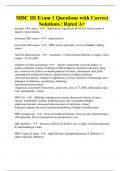
prerenal AKI causes - dehydration, significant blood loss from trauma or surgery, hypovolemia intrarenal AKI causes - hypertension post renal AKI causes - BPH, cancer (prostate, cervical, bladder), kidney stones AKI lab abnormalities - creatinine 1.5 times normal baseline or higher, urine output 25-30 ml/Hr elements of renal assessment - -history assessment: previous kidney or urinary problems, history of chronic health problems, chemical exposures, drug use, recent travel, history of altered patterns of urinary elimination, diet, fluid consumption, medication history, family history of kidney problems -physical assessment: changes in appearance of urine, pattern of elimination, pain, palpation of abdomen, auscultation, discharge -psychosocial assessment -diagnostic assessment: blood tests, urine tests, xrays, CT, MRI, ultrasound, renal scal, angiography, -scopy, BPH S/S - difficulty starting urine stream, decreased velocity of urine stream, intermittent voiding, dribbling at the end, incomplete bladder emptying/retention, increased risk/recurrence of infection, urinary frequency/urgency/dysuria, nocturia/incontinence, bladder or urethra pain BPH nursing care - focus on health promotion, focus on early detection and risk reduction, focus on preoperative/postoperative care bph education - decrease caffeine & alcohol, lose weight, avoid decongestant & anticholinergic meds, BPH 3 types of meds - alpha blockers, phosphodiesterase-5 inhibitors, 5-alpha reductase inhibitors breast cancer risk factors - being female, aging, estrogen, hx of cancer, family hx of cancer, alcohol, giving birth after the age of 30 or never being pregant, obesity, smoking, high socioeconomic status breast cancer diagnostics/testing - history, physical assessment and examination, mammogram, ultrasound, MRI, biopsy, labs, pathology cervical cancer screening - pap smear, coposcopy, biopsy cervical cancer prevention - HPV vaccination chlamydia treatment - doxycycline or azithromycin CKD treatment - BP control, fluid restriction, medications, dialysis ckd risk factors - over 60, family hx., ethnicity, DM & HTN CKD causes - pyelonephritis, renal insufficiency, AKI, diabetes, HTN, glomerulonephritis, PKD, obstruction, reflux, cystitis education - consume 2 liters of fluid daily, adequate sleep, use an alternative contraception to spermicides, wipe front to back,wear loose fitting underwear, empty bladder before and after sex, cranberry substances can help reduce risk of developing, topical estrogen cystitis nursing care - comfort (warm sitz bath) and education, administration of antibiotics, provide fluids, ED risk factors - •Age 50 •HTN •CAD •DM •High cholesterol •Smoking •Obesity •Drug or alcohol overuse / abuse •Lack of exercise Trauma / ortho injuries ED causes - •Impeded blood flow or nerve damage (inflammation / injury) •Certain surgical procedures (prostatectomy) •Certain cancer treatments •Certain medications •Stress or emotional state •Smoking, drugs, alcohol •Other chronic conditions: HTN, Parkinson's, MS, diabetes, or thyroid disorders •Early sign for serious health issues: atherosclerosis, heart disease ED treatment - oral meds (phosphodiesterase type 5 inhibitors), testosterone therapy, penile injections, intraurethral meds, vacuum erection devices, penile implants, surgery endometrial cancer nursing care - provide emotional support, provide resources for support groups and counseling, monitor I&O, provide comfort measures, close post-op monitoring endometrial cancer diagnostics - transvaginal ultrasound, endometrial biopsy endometrial cancer s/s - abnormal uterine bleeding, especially in post menopausal women, pain during urination, pain during intercourse, watery, bloody vaginal discharge, low back or abdominal pain, low pelvic discomfort genital herpes treatment - pain management and promote healing genital warts risk factors - HPV, unprotected sex glomerulonephritis testing/diagnostics - urinalysis, 24 hour urine collection, lab tests, biopsy gonorrhea nursing care - administer antibiotics gonorrhea education - should undergo testing for other STIs, notify partners BUN lab values - 10-20 what does increase BUN indicate - liver or kidney disease, dehydration or decreased kidney perfusion, high protein diet, infection, stress, steroid use, GI bleeding what does low BUN indicate - malnutrition, fluid volume excess, severe hepatic damage potassium lab value - 3.5-5 sodium lab value - 136-145
Escuela, estudio y materia
- Institución
- MDC III
- Grado
- MDC III
Información del documento
- Subido en
- 9 de octubre de 2023
- Número de páginas
- 7
- Escrito en
- 2023/2024
- Tipo
- Examen
- Contiene
- Preguntas y respuestas
Temas
- mdc iii
-
mdc iii exam 1 questions with correct solutions

Documento también disponible en un lote