BUSINESS RESEARCH
METHODS I
Marketing Research – An Applied Approach
Fifth European Edition (2017)
Malhotra – Naresh – Nunan – Birks
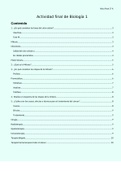
Content
Chapter 1 (p. 9-12) – Introduction to marketing research .............................................................................. 2
Chapter 2 (p. 39-55) – Defining the marketing research problem and developing a research approach ........ 2
Chapter 3 – Research design .......................................................................................................................... 4
Chapter 12 – Measurement and scaling: fundamentals, comparative and non-comparative scaling .............. 7
Chapter 13 – Questionnaire design ............................................................................................................... 11
Chapter 22 – Correlation and regression ...................................................................................................... 14
Chapter 24 – Factor analysis ........................................................................................................................ 17
Chapter 14 – Sampling: design and procedures ........................................................................................... 18
Chapter 15 – Sampling: determining sample size ........................................................................................ 22
Chapter 20 – Frequency distribution, cross-tabulation and hypothesis testing ............................................. 24
Chapter 21 – Analysis of variance and covariance ....................................................................................... 27
1
,Chapter 1 (p. 9-12) – Introduction to marketing research
Marketing research process
Step 1: Problem definition
Identify problem area; define problem statement
Step 2: Developing a research approach
Theoretical framework, hypotheses, and model
Step 3: Research design
Determine nature of research, measures, sampling etc.
Step 4: Fieldwork or data collection
Data collection
Step 5: Data analysis
Data analysis
Step 6: Communicating findings
Data interpretation
Chapter 2 (p. 39-55) – Defining the marketing research problem and developing a research
approach
The process of defining the problem and developing an approach:
Discussions with the decision makers beyond the formal presentation of a research brief and research
proposal are usually vital. The decision maker needs to understand the capabilities and limitations of
research.
Problem audit: A comprehensive examination of a marketing problem to understand its origin and
nature. Involves discussion with the decision maker on the following:
Brief history of the problem
Corporate culture as it relates to decision making
Alternative courses of action available to the decision maker
The criteria that will be used to evaluate the alternative courses of action
What the decision maker perceives to be gaps in
their knowledge
The manner in which the decision maker will use
each item of information in making the decision
Decision maker may tend to focus on symptoms rather
than on causes. To be fruitful, interaction between decision
maker and researcher can be characterised as follows:
1. Communication
2. Cooperation
3. Confidence
4. Candour
5. Closeness
6. Continuity
7. Creativity
Interviews with industry experts: both inside and outside an organisation, to explore ideas, make new
connections between ideas and create new perspectives. They may have other contacts and secondary
data. Two difficulties arise:
1. Some individuals who claim to be knowledgeable and are eager to participate may not really
possess expertise.
2. It may be difficult to locate and obtain help from experts who are outside the commissioning
organisation, i.e. access to these individuals may be problematic.
More useful in industrial firms and for products of a technical nature easy to identify and approach
experts. Also when little information is available from other sources.
2
, Secondary data: Data collected for some purpose other than the problem at hand; an economical and
quick source of background information; essential step in the problem-definition process.
Primary data: Data originated by the researcher specifically to address the research problem.
Marketing decision problem: The problem confronting the marketing decision maker, which asks
what the decision maker needs to do; action oriented.
Marketing research problem: A problem that entails determining what information is needed and
how it can be obtained in the most feasible way; information oriented.
Conceptual map: A way to link the broad
statement of the marketing decision
problem to the marketing research
problem. Involves three components:
1. Marketing decision maker wants
to (take an action)
2. Therefore we should study (topic)
3. So that we can explain (question)
General rule in defining the research
problem is that the definition should:
allow the researcher to obtain all the information needed to address the marketing decision
problem
guide the researcher in maintaining focus and proceeding with the project in a consistent manner
Two common errors in problem definition:
1. The research problem is defined too broadly
2. The research problem is defined too narrowly
Broad statement of the problem: The initial statement of the marketing research problem that
provides an appropriate perspective on the problem. Safeguards against the second type of error.
Specific components of the problem: The second part of the marketing research problem definition
that focuses on the key aspect of the problem and provides clear guidelines on how to proceed further.
Safeguards against the first type of error.
Paradigm: A set of assumptions consisting of agreed-upon knowledge, criteria of judgement, problem
fields and ways to consider them; what is ‘agreed-upon’.
Researchers should aim to base their investigations upon objective evidence, supported by theory.
Theory: A conceptual scheme based on foundational statements, or axioms, that are assumed to be
true.
Objective evidence: Perceived to be unbiased evidence, supported by empirical findings; compiling
relevant findings from secondary sources.
Researchers should recognize that theories are incomplete.
3
METHODS I
Marketing Research – An Applied Approach
Fifth European Edition (2017)
Malhotra – Naresh – Nunan – Birks
Content
Chapter 1 (p. 9-12) – Introduction to marketing research .............................................................................. 2
Chapter 2 (p. 39-55) – Defining the marketing research problem and developing a research approach ........ 2
Chapter 3 – Research design .......................................................................................................................... 4
Chapter 12 – Measurement and scaling: fundamentals, comparative and non-comparative scaling .............. 7
Chapter 13 – Questionnaire design ............................................................................................................... 11
Chapter 22 – Correlation and regression ...................................................................................................... 14
Chapter 24 – Factor analysis ........................................................................................................................ 17
Chapter 14 – Sampling: design and procedures ........................................................................................... 18
Chapter 15 – Sampling: determining sample size ........................................................................................ 22
Chapter 20 – Frequency distribution, cross-tabulation and hypothesis testing ............................................. 24
Chapter 21 – Analysis of variance and covariance ....................................................................................... 27
1
,Chapter 1 (p. 9-12) – Introduction to marketing research
Marketing research process
Step 1: Problem definition
Identify problem area; define problem statement
Step 2: Developing a research approach
Theoretical framework, hypotheses, and model
Step 3: Research design
Determine nature of research, measures, sampling etc.
Step 4: Fieldwork or data collection
Data collection
Step 5: Data analysis
Data analysis
Step 6: Communicating findings
Data interpretation
Chapter 2 (p. 39-55) – Defining the marketing research problem and developing a research
approach
The process of defining the problem and developing an approach:
Discussions with the decision makers beyond the formal presentation of a research brief and research
proposal are usually vital. The decision maker needs to understand the capabilities and limitations of
research.
Problem audit: A comprehensive examination of a marketing problem to understand its origin and
nature. Involves discussion with the decision maker on the following:
Brief history of the problem
Corporate culture as it relates to decision making
Alternative courses of action available to the decision maker
The criteria that will be used to evaluate the alternative courses of action
What the decision maker perceives to be gaps in
their knowledge
The manner in which the decision maker will use
each item of information in making the decision
Decision maker may tend to focus on symptoms rather
than on causes. To be fruitful, interaction between decision
maker and researcher can be characterised as follows:
1. Communication
2. Cooperation
3. Confidence
4. Candour
5. Closeness
6. Continuity
7. Creativity
Interviews with industry experts: both inside and outside an organisation, to explore ideas, make new
connections between ideas and create new perspectives. They may have other contacts and secondary
data. Two difficulties arise:
1. Some individuals who claim to be knowledgeable and are eager to participate may not really
possess expertise.
2. It may be difficult to locate and obtain help from experts who are outside the commissioning
organisation, i.e. access to these individuals may be problematic.
More useful in industrial firms and for products of a technical nature easy to identify and approach
experts. Also when little information is available from other sources.
2
, Secondary data: Data collected for some purpose other than the problem at hand; an economical and
quick source of background information; essential step in the problem-definition process.
Primary data: Data originated by the researcher specifically to address the research problem.
Marketing decision problem: The problem confronting the marketing decision maker, which asks
what the decision maker needs to do; action oriented.
Marketing research problem: A problem that entails determining what information is needed and
how it can be obtained in the most feasible way; information oriented.
Conceptual map: A way to link the broad
statement of the marketing decision
problem to the marketing research
problem. Involves three components:
1. Marketing decision maker wants
to (take an action)
2. Therefore we should study (topic)
3. So that we can explain (question)
General rule in defining the research
problem is that the definition should:
allow the researcher to obtain all the information needed to address the marketing decision
problem
guide the researcher in maintaining focus and proceeding with the project in a consistent manner
Two common errors in problem definition:
1. The research problem is defined too broadly
2. The research problem is defined too narrowly
Broad statement of the problem: The initial statement of the marketing research problem that
provides an appropriate perspective on the problem. Safeguards against the second type of error.
Specific components of the problem: The second part of the marketing research problem definition
that focuses on the key aspect of the problem and provides clear guidelines on how to proceed further.
Safeguards against the first type of error.
Paradigm: A set of assumptions consisting of agreed-upon knowledge, criteria of judgement, problem
fields and ways to consider them; what is ‘agreed-upon’.
Researchers should aim to base their investigations upon objective evidence, supported by theory.
Theory: A conceptual scheme based on foundational statements, or axioms, that are assumed to be
true.
Objective evidence: Perceived to be unbiased evidence, supported by empirical findings; compiling
relevant findings from secondary sources.
Researchers should recognize that theories are incomplete.
3