Anatomy of the Heart
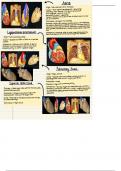
The heart is a muscular organ that plays a crucial role in the circulatory system, responsible for pumping blood throughout the body. Located in the chest, slightly to the left, the heart is enclosed within the pericardium—a double-walled sac. Its primary function is to ensure a continuous flow of oxygenated blood to all tissues and organs while simultaneously removing deoxygenated blood and waste products. Key features and components of the heart include: Muscular Structure: The heart is composed of cardiac muscle tissue, a specialized type of muscle that contracts involuntarily and rhythmically. The powerful contractions generated by the heart muscle propel blood through the circulatory system. Chambers: The heart is divided into four chambers—two atria (upper chambers) and two ventricles (lower chambers). The right atrium receives deoxygenated blood from the body, which is then pumped into the right ventricle and sent to the lungs for oxygenation. The left atrium receives oxygenated blood from the lungs, pumping it into the left ventricle, which then sends the oxygen-rich blood throughout the body. Valves: Valves within the heart maintain the direction of blood flow and prevent backflow. The atrioventricular (AV) valves (tricuspid on the right side, mitral on the left side) separate the atria from the ventricles, while the semilunar valves (pulmonary and aortic) guard the exits from the ventricles, ensuring blood flows in the correct direction. Coronary Arteries: The heart has its own blood supply through coronary arteries, which deliver oxygen and nutrients to the heart muscle. These arteries branch off from the aorta and encircle the heart. Electrical Conduction System: The heart's rhythm is controlled by an intricate electrical conduction system. The sinoatrial (SA) node initiates the electrical impulse, causing the atria to contract. The signal then travels through the atrioventricular (AV) node to the ventricles, coordinating their contraction and ensuring an efficient pumping action. Blood Vessels: Connected to the rest of the circulatory system, blood vessels facilitate the transportation of blood to and from the heart. The arteries carry oxygenated blood away from the heart, while veins return deoxygenated blood back to the heart. The continuous and coordinated pumping action of the heart is essential for maintaining the circulation of blood, providing oxygen and nutrients to cells, and removing waste products from the body.
Escuela, estudio y materia
Información del documento
- Subido en
- 1 de marzo de 2024
- Número de páginas
- 11
- Escrito en
- 2023/2024
- Tipo
- NOTAS DE LECTURA
- Profesor(es)
- Dr. sylvie poluch
- Contiene
- Todas las clases

Documento también disponible en un lote