Erikson's Psychosocial Stages
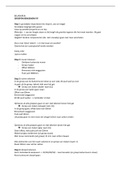
Trust vs Mistrust (birth to 1 year) Infants learn that they can or cannot trust others to take care of their basic needs Autonomy vs shame and doubt (1 to 2 years) Children learn to be self sufficient in many activities such as toilet training, walking, and exploring. If restrained too much they learn to doubt their abilities and feel shame. Initiative vs guilt (3 to 5 years) Children learn to assume more responsibility by taking initiative but will feel guilty if they overstep limits set by parents Industry vs inferiority (5 years to puberty) Children learn to be competent by mastering new intellectual, social, and physical skills or feel inferior if they fail to develop these skills Identity vs rold confusion (adolesence) adolescents develop a sense of identy by exoperimenting with different roles. No role experimentation may result in role confusion. Intimacy vs isolation (young adulthood) young adults form intimate relationships with
Written for
- Institution
- Psychosocial
- Course
- Psychosocial
Document information
- Uploaded on
- June 3, 2024
- Number of pages
- 1
- Written in
- 2023/2024
- Type
- Exam (elaborations)
- Contains
- Questions & answers
Subjects
-
eriksons psychosocial stages lifespan theory