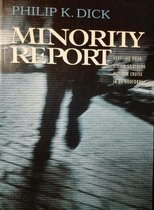
Summary of "Minority Report"
In a future society, crime has been virtually eliminated through the efforts of a specialized
police department known as Precrime. This department uses the abilities of three
precognitive individuals, called "precogs," to foresee crimes before they happen and arrest
the would-be perpetrators beforehand.
The story follows John Anderton, the head of Precrime, who is proud of his department's
success. However, his world is turned upside down when he himself is predicted to commit
a murder. Anderton becomes a fugitive, trying to uncover the truth behind the prediction
and to prove his innocence.
As Anderton investigates, he discovers the concept of a "minority report," a prediction
from one of the precogs that differs from the consensus of the other two. This minority
report suggests that the future is not as certain as Precrime believes, and that the precogs'
visions can be fallible.
Anderton eventually uncovers a conspiracy within Precrime. He learns that he was set up
by his ambitious subordinate, Ed Witwer, who manipulated the precogs' visions to frame
Anderton and take over his position. In the end, Anderton exposes the flaws in the
Precrime system, revealing that the future is not fixed and that free will still plays a crucial
role.
Key Themes
• Free Will vs. Determinism: The story explores whether the future is predetermined or if
individuals have the power to change their fate.
• The Ethics of Preventative Justice: It questions the morality of punishing individuals for
crimes they have not yet committed.
• Fallibility of Technology: The narrative examines the potential errors in relying too heavily
on technology for law enforcement.
"Minority Report" is a thought-provoking tale that delves into the complexities of crime prevention,
the reliability of predictive technology, and the philosophical debate over free will.
In a future society, crime has been virtually eliminated through the efforts of a specialized
police department known as Precrime. This department uses the abilities of three
precognitive individuals, called "precogs," to foresee crimes before they happen and arrest
the would-be perpetrators beforehand.
The story follows John Anderton, the head of Precrime, who is proud of his department's
success. However, his world is turned upside down when he himself is predicted to commit
a murder. Anderton becomes a fugitive, trying to uncover the truth behind the prediction
and to prove his innocence.
As Anderton investigates, he discovers the concept of a "minority report," a prediction
from one of the precogs that differs from the consensus of the other two. This minority
report suggests that the future is not as certain as Precrime believes, and that the precogs'
visions can be fallible.
Anderton eventually uncovers a conspiracy within Precrime. He learns that he was set up
by his ambitious subordinate, Ed Witwer, who manipulated the precogs' visions to frame
Anderton and take over his position. In the end, Anderton exposes the flaws in the
Precrime system, revealing that the future is not fixed and that free will still plays a crucial
role.
Key Themes
• Free Will vs. Determinism: The story explores whether the future is predetermined or if
individuals have the power to change their fate.
• The Ethics of Preventative Justice: It questions the morality of punishing individuals for
crimes they have not yet committed.
• Fallibility of Technology: The narrative examines the potential errors in relying too heavily
on technology for law enforcement.
"Minority Report" is a thought-provoking tale that delves into the complexities of crime prevention,
the reliability of predictive technology, and the philosophical debate over free will.