CAIB 2 - Key Terms
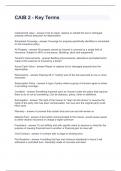
replacement value - answer Cost to repair, replace or rebuild the lost or damaged property without deduction for depreciation
Scheduled Coverage - answer Coverage for property specifically identified or scheduled
on the insurance policy
All Property - answer All property owned by Insured is covered by a single limit of insurance. Subject to 90% co-insurance. (Building, stock and equipment)
Tenant's Improvements - answer Building improvements, alterations and betterment's made at the expense of Insured by a tenant
Actual Cash Value - answer Repair or replace lost or damaged property less the depreciation
Reinsurance - answer Passing off or "ceding" part of the risk assumed to one or more reinsurers
Subscription Policy - answer A type of policy where a group of insurers agree to share in providing coverage.
Condition - answer Something imposed upon an Insured under the policy that requires them to do or not do something. Can be statutory, policy, other or additional.
Subrogation - answer The right of the Insurer to "step into the shoes" or assume the rights of the party who has been compensated. Can sue who the original party could have sued.
Warranty - answer A promise that certain facts are true and will remain so
Material Fact - answer A fact which communicated to the Insurer, would cause reason to either decline insurance or charge a higher premium
Fraudulent - answer To act willfully and with specific intent to deceive or cheat for the purpose of causing financial loss to another or financial gain to ones self
Void Contract - answer A contract with no legal or binding force
Fire Resistive - answer A building that has met minimum standards in hours it will withstand a controlled burn. Generally made of concrete and steel. Non Combustible - answer A building where all structural members (floor, roof and supports) are constructed of steel, iron, concrete or other noncombustible material.
Common Hazards - answer Conditions common to all buildings which influence the potential for loss. Heating, electrical services, detachment, protection and occupancy.
Detachment - answer The proximity of the building insured to other commercially rated buildings.
Adverse Selection - answerWhen the applicant for insurance are largely those most likely to suffer a loss.
Risk classification - answerThe grouping of classifying of risks according to established criteria
Soft Market - answerIntense competition between insurers. Rates tend to be abnormally
low.
Hard Market - answerDue to an increase in the loss ratio partly brought on by low rates of a soft market.
Hazard - answerA condition which could cause a peril
Physical Hazard - answer Conditions relating to the use of tangible property which could
cause a peril to occur
Moral Hazard - answer Subjective characteristics of the applicant that could cause a peril to occur. Clients ability to be good or bad.
Morale Hazard - answerThe attitude of the client that could contribute to a loss through either indifference or poor management.
Accommodation Business - answerA risk that is accepted although coverage may be sub standard or marginal but done as a favour to the broker.
Supporting Business - answerExistence of other insurance policies the applicant has with the same company
Vacant - answerWhen the normal occupant is absent and contents have been removed
Unoccupied - answerPremise is complete with contents but the normal person who occupies it is temporarily away
Electrical Breakdown - answerFailure in the electrical mechanism of the machinery, appliance or device.
replacement value - answer Cost to repair, replace or rebuild the lost or damaged property without deduction for depreciation
Scheduled Coverage - answer Coverage for property specifically identified or scheduled
on the insurance policy
All Property - answer All property owned by Insured is covered by a single limit of insurance. Subject to 90% co-insurance. (Building, stock and equipment)
Tenant's Improvements - answer Building improvements, alterations and betterment's made at the expense of Insured by a tenant
Actual Cash Value - answer Repair or replace lost or damaged property less the depreciation
Reinsurance - answer Passing off or "ceding" part of the risk assumed to one or more reinsurers
Subscription Policy - answer A type of policy where a group of insurers agree to share in providing coverage.
Condition - answer Something imposed upon an Insured under the policy that requires them to do or not do something. Can be statutory, policy, other or additional.
Subrogation - answer The right of the Insurer to "step into the shoes" or assume the rights of the party who has been compensated. Can sue who the original party could have sued.
Warranty - answer A promise that certain facts are true and will remain so
Material Fact - answer A fact which communicated to the Insurer, would cause reason to either decline insurance or charge a higher premium
Fraudulent - answer To act willfully and with specific intent to deceive or cheat for the purpose of causing financial loss to another or financial gain to ones self
Void Contract - answer A contract with no legal or binding force
Fire Resistive - answer A building that has met minimum standards in hours it will withstand a controlled burn. Generally made of concrete and steel. Non Combustible - answer A building where all structural members (floor, roof and supports) are constructed of steel, iron, concrete or other noncombustible material.
Common Hazards - answer Conditions common to all buildings which influence the potential for loss. Heating, electrical services, detachment, protection and occupancy.
Detachment - answer The proximity of the building insured to other commercially rated buildings.
Adverse Selection - answerWhen the applicant for insurance are largely those most likely to suffer a loss.
Risk classification - answerThe grouping of classifying of risks according to established criteria
Soft Market - answerIntense competition between insurers. Rates tend to be abnormally
low.
Hard Market - answerDue to an increase in the loss ratio partly brought on by low rates of a soft market.
Hazard - answerA condition which could cause a peril
Physical Hazard - answer Conditions relating to the use of tangible property which could
cause a peril to occur
Moral Hazard - answer Subjective characteristics of the applicant that could cause a peril to occur. Clients ability to be good or bad.
Morale Hazard - answerThe attitude of the client that could contribute to a loss through either indifference or poor management.
Accommodation Business - answerA risk that is accepted although coverage may be sub standard or marginal but done as a favour to the broker.
Supporting Business - answerExistence of other insurance policies the applicant has with the same company
Vacant - answerWhen the normal occupant is absent and contents have been removed
Unoccupied - answerPremise is complete with contents but the normal person who occupies it is temporarily away
Electrical Breakdown - answerFailure in the electrical mechanism of the machinery, appliance or device.