KS3 Biology Genetics Guaranteed Success
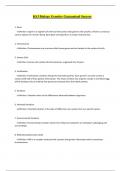
1. Gene
- Definition: A gene is a segment of chemical instructions that governs the specifics of how to construct
various aspects of a human being. Each gene corresponds to a unique characteristic.
2. Chromosome
- Definition: Chromosomes are structures that house genes and are located in the nucleus of cells.
3. Human Cells
- Definition: Human cells contain 46 chromosomes, organized into 23 pairs.
4. Fertilization
- Definition: Fertilization combines the genes from both parents. Each parent's sex cells contain a
nucleus with half of their genetic information. The fusion of these sets of genes results in a fertilized egg,
which develops into an embryo that possesses characteristics from both parents.
5. Variation
- Definition: Variation refers to the differences observed between organisms.
6. Inherited Variation
- Definition: Inherited variation is the type of differences we receive from our parents’ genes.
7. Environmental Variation
- Definition: Environmental variation arises from influences related to an individual's upbringing and
surroundings.
8. DNA (Deoxyribonucleic Acid)
- Definition: DNA is a complex molecule that contains the genetic information which constitutes
chromosomes.
1. Gene
- Definition: A gene is a segment of chemical instructions that governs the specifics of how to construct
various aspects of a human being. Each gene corresponds to a unique characteristic.
2. Chromosome
- Definition: Chromosomes are structures that house genes and are located in the nucleus of cells.
3. Human Cells
- Definition: Human cells contain 46 chromosomes, organized into 23 pairs.
4. Fertilization
- Definition: Fertilization combines the genes from both parents. Each parent's sex cells contain a
nucleus with half of their genetic information. The fusion of these sets of genes results in a fertilized egg,
which develops into an embryo that possesses characteristics from both parents.
5. Variation
- Definition: Variation refers to the differences observed between organisms.
6. Inherited Variation
- Definition: Inherited variation is the type of differences we receive from our parents’ genes.
7. Environmental Variation
- Definition: Environmental variation arises from influences related to an individual's upbringing and
surroundings.
8. DNA (Deoxyribonucleic Acid)
- Definition: DNA is a complex molecule that contains the genetic information which constitutes
chromosomes.