Rédigé par des étudiants ayant réussi Disponible immédiatement après paiement Lire en ligne ou en PDF Mauvais document ? Échangez-le gratuitement 4,6 TrustPilot
logo-home
Examen

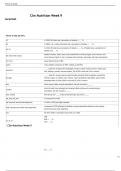
Clin Nutrition Week 9 Terms in this set (91) 15 in 1990, NO state had a prevalence of obesity ≥ % 20 in 2008, only 1 state (Colorado) had a prevalence of obesity % 20, 25 in 2018, NO state has a prevalence of obesity %, 47 states have a

Note
-
Vendu
-
Pages
5
Grade
A+
Publié le
10-08-2024
Écrit en
2024/2025

Clin Nutrition Week 9 Terms in this set (91) 15 in 1990, NO state had a prevalence of obesity ≥ % 20 in 2008, only 1 state (Colorado) had a prevalence of obesity % 20, 25 in 2018, NO state has a prevalence of obesity %, 47 states have a prevalence of obesity over % lbm (lean body mass) skeletal muscles, water, bone, and essential fat in internal organs, bone marrow, and nerve tissues; higher in men; increases with exercises, decreases with age (sarcopenia) bmr (rmr) major determinant of LBM water most variable component of LBM, making up 60-65% essential _____ body fat: necessary for physiologic function, stored in bone marrow, heart, lung, liver, kidneys, muscles, nervous system; 3% of BW in men and 12% in women storage _____ body fat: energy reserve under the skin, primarily TAGs in adipose; around the internal organs to protect from trauma, most considered expendable; good health associated with 18-24% of BW in men and 25-31% in women size when energy intake exceeds expenditure, fat cells increase in _____ number when fat cells have enlarged and energy intake continues to exceed energy expenditure, fat cells increase in _____ size, number with fat loss, the _____ of the fat cells decreses, but not the _____ eat, neat, tef, bmr 4 components of TEE eat (exercise activity thermogenesis) 15-30% of TEE (but highly variable) neat (nonexercise activity thermogenesis) component of TEE affected by lifestyle, energy expended walking to work, typing, performing yard work, fidgeting bmr 60-70% of TEE, in starvation drops 15% in 2 weeks 67, 10, 23 TEE: BMR = % TEF = % Clin Nutrition Week 9 bee (basal energy expenditure) energy needed to support basal metabolism, minimum amount of energy needed to sustain bodily function in a waking state, usually about 60-75% of TEE tef (thermic effect of food) the amount of energy it takes for your body to digest, absorb, and metabolize the food you eat indirect calorimetry estimate of energy expenditure during rest, gives us RQ rq CO2 produced / O2 consumed carbs, fats, protein RQs: _____ = 1.0 _____ = 0.71 _____ = 0.83 ob, adiponectin 2 genes that can contribute to being overweight/obese overfeeding, carbs, fat, alcohol RQs 1.0-1.2 = _____ 1.0 = as fuel 0.85 = mixed diet of carbs, proteins, fats 0.71 = as fuel, underfeeding, high urinary glucose excretion 0.67 = heavy intake 0.67 or 1.3 = invalid results victoza, lipitor, altace, advair drugs: _____ = diabetes _____ = high cholesterol _____ = HTN _____ = asthma obesigenicity obesity due to less food preparation at home, lack of activity, increased TV viewing/gaming, reliance on cars, curtailed PE in schools, availability of energy dense nutrient poor larger portion foods sensory specific satiety the decine in pleasantness with a food as it is eaten relative to a food that has not been eaten 25-30 if one or both parents were obese, probabiltiy of offspring being overweight increased by % genetic, environment BMI is based on _____ factors (50-90%) and factors (10-90%) fto (fat mass and obesity) gene that may stimulate excessive food intake and reduce the feeling of satiety; 44- 65% of people estimated to have at least one copy, physical activity can reduce the influence of the gene on obesity risk thrift gene theory proposes that a gene (or genes) causes people to be energetically thrifty; people with this gene expend less energy at rest than other people at rest; protects from starvation during times of extreme food shortages set point theory suggests that BW stays within a narrow range, compensates for changes in energy balance and keeps a person's weight at their set point composition of diet theory states that overeating dietary fat promotes storage as adipose tissue; however overeating carbs or proteins will also lead to weight gain (overconsumption of any macronutrient can encourage weight gain) metabolic factors relatively low metabolic rate, low level of spontaneous physical activity, abnormally low level thyroid hormone increased, decreased, decreased as you age, your body composition changes: _____ body fat Clin Nutrition Week 9 leptin hormone that acts to reduce food intake, produced by body fat, less effect found in the obese ghrelin hormone that stimulates appetite, synthesized in stomach and works on hypothalamus; increases before a meal and decreased about one hour after eating, levels also appear to increase after weight loss, not diminished with obesity peptide yy hormone that decreases appetite, produced and released in the GI tract after a meal to decrease appetite and inhibit food intake antidepressants meds that can possibly cause weight gain thyroid, cushings medical problems (2% of all cases of obesity) can include decreased function and _____ disease chronic overweight and obeisty are epidemics in US linked to many diseases dyslipidemia elevated total cholesterol, TAGs, and LDL cholesterol, and decreased HDL cholesterol htn comorbidity: increased weight is usually in fatty tissue, tissue needs oxygen and nutrients to live; increased # of capillaries, increased amount of blood needed, added pressure to heart and artereis to pump more blood further htn comorbidity: increased weight increases insulin levels, insulin associated with sodium and water retention contributing to increased blood volume, increased weight associated with increased HR and reduced capacity of blood vessels to transport blood dm comorbidity: obesity is leading cause, excess fat makes body resist insulin, leads to hyperglycemia; cells lack energy, increased peripheral resistance hyperlipidemia comorbidity: usually from diet high in saturated fat, leads to atherosclerosis increasing risk of CAD and stroke cad comorbidity: fatty deposits build up in artery walls, less blood to the heart (ischemia -- angina), complete blood block (MI) stroke comorbidity: atherosclerosis goes throughout the body, blocked blood flow in brain, obesity increases risk oa comorbidity: joint disorder, extra weight = extra pressure; wears away cartilage, joint pain and stiffness sleep apnea comorbidity: stop breathing at times when sleeping, snore heavily; upper airway blocked, waking up at night, daytime drowsiness metabolic syndrome a cluster of factors increases risk for heart disease, DM, and stroke 150 metabolic syndrome: TAG levels ≥ mg/dL 40, 50 metabolic syndrome: HDL cholesterol levels ≤ _____ mg/dL in men and mg/dL in women 130/85 metabolic syndrome: BP ≥ mmHg 100 metabolic syndrome 100 metabolic syndrome: fasting blood glucose ≥ mg/dL 10, 1-2 goal setting: _____% weight loss within 6 months, at schedule of lbs of fat loss per week more weight loss (3-4 lbs/week) may provoke formation of gallstones and may Clin Nutrition Week 9 lifelong best diet for weight loss is one the patient will adhere to as a strategy including behavioral support and exercise mediterranean healthiest most sustainable most successful type of diet plant based diet that can enhance feelings of satiety (increased fiber), helps reestablish disturbed microbiota balance in obseity, decreases levels of CRP in overweight and obese adults 1-2 safe and effective weight loss is about lbs/week macronutrient the impact of the composition of a diet is currently a topic of considerable debate negative it is well recognized that achieving energy balance is a major factor in successful weight loss dietary, physical activity, behavior modification 3 recommendations any successful weight loss program must include 30, 500-1000 safe and effective weight gain: limit fat to % of total energy intake eat extra kcal/day 40, 35 bariatric surgery reserved for BMI ≥ _____ kg/m2 or BMI ≥ kg/m2 with at least one obesity related disorder; who have failed other weight loss methods gastric bypass most frequently performed bariatric surgery in US; does not replace need for healthy controlled diet and exercise, success of surgery depends on it gastric bypass reduces stomach size, allows food to bypass part of small intestine, achieve quicker satiety dumping syndrome condition where stomach contents move too quickly through small intestine causing nausea, vomiting, diarrhea, dizziness, and sweating laparoscopic banding band placement around superior part of stomach to create a small pouch to hold food, limits amount of food prolonging fullness liposuction removal of abdominal subcutaneous adipose tissue (~10 kg); does not improve CHD risk factors or insulin sensitivity semaglutide weight management hormone that mimics GLP-1 that targets areas of the brain that regulate appetite and food intake; side effects include nausea, diarrhea, vomiting, constipation, stomach pain, headache, fatigue; given weekly by injection to adults and childrens 12 years and older semaglutide do not use in combination with other similar containing products, other GLP-1 receptor agonists, or other products intended for weight loss; may increase chance of pancreatitis, has been found to cause a rare type of thyroid tumor zepbound active ingredient is tirzepatide, already approved under the trade name Mounjaro, injected for chronic weight management in adults with obesity, to be used along with diet and exercise to help improve blood sugar in adults with DM protein, carbs, fats macronutrient TEF highest to lowest false true or false, BMI takes fat distribution into account when assessing the body district of columba according to the CDC, in 2021 which area of the U.S. has only 20-25% of residence being overweight/obese dxa what is the gold standard measurement of body composition? exercise how can an individual decrease the influence of the FTO gene? an, bn, bed 3 eating disorders Clin Nutrition Week 9 restricted, binge eating 2 types of AN true true or false, there are different classifications of AN and BN bn (bulimia nervosa) recurrent episodes of binge eating, recurrent inappropriate compensatory behaviors to prevent weight gain, may see callus on back of hand from stimulating gag reflex bed (binge eating disoder) binge eating episodes at least twice a week for a 6 month period, no inappropriate compensatory behaviors after a binge, binge tends to take place in private with normal or subnormal food intake in public night eating syndrome evening hyperphagia, nocturnal snacking resulting in morning anorexia, very common in obese individuals enteral, parenteral 2 types of nutrition treatment of eating disorders 2-3, .5-1 AN: weight gain goal of _____ lbs/week for inpatient, lbs/week for outpatient refeeding syndrome metabolic disturbance caused by rapid reinitiation of normal nutrition in treatment of AN weight gain main goal of AN treatment interruption of cycle main goal of BN treatment

Montrer plus Lire moins
Établissement
CGAP - Certified Government Auditing Professional
Cours
CGAP - Certified Government Auditing Professional

Aperçu du contenu

8/10/24, 6:09 AM


Clin Nutrition Week 9
Jeremiah


Terms in this set (91)

15 in 1990, NO state had a prevalence of obesity ≥ ___ %

20 in 2008, only 1 state (Colorado) had a prevalence of obesity < ___ %

in 2018, NO state has a prevalence of obesity < ___ %, 47 states have a prevalence of
20, 25
obesity over ___ %

skeletal muscles, water, bone, and essential fat in internal organs, bone marrow, and
lbm (lean body mass)
nerve tissues; higher in men; increases with exercises, decreases with age (sarcopenia)

bmr (rmr) major determinant of LBM

water most variable component of LBM, making up 60-65%

_____ body fat: necessary for physiologic function, stored in bone marrow, heart, lung,
essential
liver, kidneys, muscles, nervous system; 3% of BW in men and 12% in women

_____ body fat: energy reserve under the skin, primarily TAGs in adipose; around the
storage internal organs to protect from trauma, most considered expendable; good health
associated with 18-24% of BW in men and 25-31% in women

size when energy intake exceeds expenditure, fat cells increase in _____

when fat cells have enlarged and energy intake continues to exceed energy
number
expenditure, fat cells increase in _____

size, number with fat loss, the _____ of the fat cells decreses, but not the _____

eat, neat, tef, bmr 4 components of TEE

eat (exercise activity thermogenesis) 15-30% of TEE (but highly variable)

component of TEE affected by lifestyle, energy expended walking to work, typing,
neat (nonexercise activity thermogenesis)
performing yard work, fidgeting

bmr 60-70% of TEE, in starvation drops 15% in 2 weeks

TEE:
BMR = ___ %
67, 10, 23
TEF = ___ %

Clin Nutrition Week 9


AT = ____ %


1/5

, 8/10/24, 6:09 AM
energy needed to support basal metabolism, minimum amount of energy needed to
bee (basal energy expenditure)
sustain bodily function in a waking state, usually about 60-75% of TEE

the amount of energy it takes for your body to digest, absorb, and metabolize the food
tef (thermic effect of food)
you eat

indirect calorimetry estimate of energy expenditure during rest, gives us RQ

rq CO2 produced / O2 consumed

RQs:
_____ = 1.0
carbs, fats, protein
_____ = 0.71
_____ = 0.83

ob, adiponectin 2 genes that can contribute to being overweight/obese

RQs
1.0-1.2 = _____
1.0 = _____as fuel
overfeeding, carbs, fat, alcohol 0.85 = mixed diet of carbs, proteins, fats
0.71 = _____ as fuel, underfeeding, high urinary glucose excretion
0.67 = heavy ___ intake
<0.67 or >1.3 = invalid results

drugs:
_____ = diabetes
victoza, lipitor, altace, advair _____ = high cholesterol
_____ = HTN
_____ = asthma

obesity due to less food preparation at home, lack of activity, increased TV
obesigenicity viewing/gaming, reliance on cars, curtailed PE in schools, availability of energy dense
nutrient poor larger portion foods

the decine in pleasantness with a food as it is eaten relative to a food that has not been
sensory specific satiety
eaten

if one or both parents were obese, probabiltiy of offspring being overweight increased
25-30
by ___ %

genetic, environment BMI is based on _____ factors (50-90%) and ____ factors (10-90%)

gene that may stimulate excessive food intake and reduce the feeling of satiety; 44-
fto (fat mass and obesity) 65% of people estimated to have at least one copy, physical activity can reduce the
influence of the gene on obesity risk

proposes that a gene (or genes) causes people to be energetically thrifty; people with
thrift gene theory this gene expend less energy at rest than other people at rest; protects from starvation
during times of extreme food shortages

suggests that BW stays within a narrow range, compensates for changes in energy
set point theory
balance and keeps a person's weight at their set point

theory states that overeating dietary fat promotes storage as adipose tissue; however
composition of diet overeating carbs or proteins will also lead to weight gain (overconsumption of any
macronutrient can encourage weight gain)

relatively low metabolic rate, low level of spontaneous physical activity, abnormally low
metabolic factors
level thyroid hormone

as you age, your body composition changes:

increased, decreased, decreased _____ body fat
_____ muscle mass atrophy (sarcopenia)
Clin Nutrition Week 9 _____ metabolism

2/5

École, étude et sujet

Établissement
CGAP - Certified Government Auditing Professional
Cours
CGAP - Certified Government Auditing Professional

Infos sur le Document

Publié le
10 août 2024
Nombre de pages
5
Écrit en
2024/2025
Type
Examen
Contient
Questions et réponses

Sujets

$8.49
Accéder à l'intégralité du document:

Mauvais document ? Échangez-le gratuitement Dans les 14 jours suivant votre achat et avant le téléchargement, vous pouvez choisir un autre document. Vous pouvez simplement dépenser le montant à nouveau.
Rédigé par des étudiants ayant réussi
Disponible immédiatement après paiement
Lire en ligne ou en PDF


Document également disponible en groupe

Thumbnail
Package deal
ATI Comp. Predictor Remediation PORTFOLIO (DETAILED ANSWERS) 2024 - DISTINCTION
-
13 2024
$ 15.99 Plus d'infos

Faites connaissance avec le vendeur

Seller avatar
Les scores de réputation sont basés sur le nombre de documents qu'un vendeur a vendus contre paiement ainsi que sur les avis qu'il a reçu pour ces documents. Il y a trois niveaux: Bronze, Argent et Or. Plus la réputation est bonne, plus vous pouvez faire confiance sur la qualité du travail des vendeurs.
Denyss Teachme2-tutor
Voir profil
S'abonner Vous devez être connecté afin de suivre les étudiants ou les cours
Vendu
25
Membre depuis
1 année
Nombre de followers
3
Documents
6296
Dernière vente
1 semaine de cela
Classic Writers

I am a professional writer/tutor. I help students with online class management, exams, essays, assignments and dissertations. Improve your grades by buying my study guides, notes and exams or test banks that are 100% graded

5.0

2 revues

5
2
4
0
3
0
2
0
1
0

Récemment consulté par vous

Pourquoi les étudiants choisissent Stuvia

Créé par d'autres étudiants, vérifié par les avis

Une qualité sur laquelle compter : rédigé par des étudiants qui ont réussi et évalué par d'autres qui ont utilisé ce document.

Le document ne convient pas ? Choisis un autre document

Aucun souci ! Tu peux sélectionner directement un autre document qui correspond mieux à ce que tu cherches.

Paye comme tu veux, apprends aussitôt

Aucun abonnement, aucun engagement. Paye selon tes habitudes par carte de crédit et télécharge ton document PDF instantanément.

Student with book image

“Acheté, téléchargé et réussi. C'est aussi simple que ça.”

Alisha Student

Vous travaillez sur vos références ?

Créez des citations précises en APA, MLA et Harvard avec notre générateur de sources gratuit.

Vous travaillez sur vos références ?

Foire aux questions