100% satisfaction guarantee Immediately available after payment Both online and in PDF No strings attached 4.2 TrustPilot
logo-home
Summary

Summary - Issues and Debates

Rating
-
Sold
-
Pages
7
Uploaded on
11-09-2024
Written in
2023/2024

A-Level Psychology Notes – Issues and Debates Master the Issues and Debates topic in A-Level Psychology with these in-depth notes. Covering key arguments and perspectives, these notes will help you critically engage with some of the most important debates in psychology and apply them effectively in exam scenarios. Key Features: Complete Overview of Issues and Debates: Detailed explanations of essential concepts, including nature vs. nurture, free will vs. determinism, reductionism vs. holism, idiographic vs. nomothetic approaches, and ethical implications of research. Clear Explanations: Simplified breakdowns of each debate with clear examples from psychological research and theories to enhance understanding. Evaluation and Comparison: In-depth evaluation points for each issue, including strengths and weaknesses, as well as how they relate to different psychological approaches. Exam-Focused Content: Guidance on how to tackle exam questions on Issues and Debates, including sample questions and model answers to strengthen your analytical and evaluative skills. These notes are ideal for students looking to develop a critical understanding of Issues and Debates and perform well in essay-style exam questions. Perfect for: Anyone who wants to solidify their knowledge of the key issues and debates in A-Level Psychology and improve their essay-writing technique.

Show more Read less
Institution
Course


Whoops! We can’t load your doc right now. Try again or contact support.

Written for

Study Level
Examinator
Subject
Unit

Document information

Uploaded on
September 11, 2024
Number of pages
7
Written in
2023/2024
Type
Summary

Subjects

Content preview

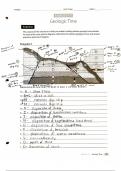
universality anyunderliningcharacteristicof humanbeingsthat is capable of being appliedto all despite differences
orexperience andupbringing

bias atendancytotreatonegroupin adifferentway fromanother


genderbias treatment orrepresentation of menand womenbased onstereotypesratherthanreal life


iiiiiiiii
www
applied ofemales iii iiiiii iii
t.iti iEi i i
en


alphabias betabias underestimating or minimising implications createsmisleading
2 1,9the the differencesbetween assumptions
menandwomen menand women mayreinforcegende


it Iiiiii
stereotypes
e t
he ae a mor
effigy
IISinti ties doctor
ignored


culturebias atendancy to ignoreculturaldifferencesand interpret all phenomena through thelens of one'sown culture


i
ethnocentrism
It s iiia set isnotsnared around a woman


culturalrelativism one cannotjudge a behaviourproperly unless it is viewed inthe context so the culture inwhich it
I eat voices schizophrenia insomecutures

imposedetic atechnique or theory developed in oneculture is inappropriately usedforotherpeoplein othercultures
e.g Ss beingusedoutside us Uk

,
$7.59
Get access to the full document:

100% satisfaction guarantee
Immediately available after payment
Both online and in PDF
No strings attached

Get to know the seller
Seller avatar
prisha1

Get to know the seller

Seller avatar
prisha1 Queen Mary, University of London
Follow You need to be logged in order to follow users or courses
Sold
0
Member since
1 year
Number of followers
0
Documents
9
Last sold
-

0.0

0 reviews

5
0
4
0
3
0
2
0
1
0

Recently viewed by you

Why students choose Stuvia

Created by fellow students, verified by reviews

Quality you can trust: written by students who passed their tests and reviewed by others who've used these notes.

Didn't get what you expected? Choose another document

No worries! You can instantly pick a different document that better fits what you're looking for.

Pay as you like, start learning right away

No subscription, no commitments. Pay the way you're used to via credit card and download your PDF document instantly.

Student with book image

“Bought, downloaded, and aced it. It really can be that simple.”

Alisha Student

Frequently asked questions