ENPC Test Questions 6th Edition
c c c c
Study online at https://quizlet.com/_dumca9
c c c
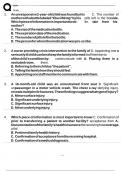
1. An unresponsive 2-year-old child was found by his
c C. The number of c c c c c c c c c c c
mother with a bottle labeled "Elavil 50 mg" by his pills left in the botside.
c c c c c c c c c c c c c c c
Which piece of information is important to ob-
c tle. tain from his c c c c c c c c c c
mother? c
A. The size of the medication bottle.
c c c c c c
B. The expiration date of the medication.
c c c c c
C. The number of pills left in the bottle.
c c c c c c c
D. The person for whom the medication was pre-scribe.
c c c c c c c
2. A nurse providing crisis intervention to the family of D. Appointing one a
c c c c c c c c c c c c c
seriously ill child can best keep the family informed staff member to c c c c c c c c c c c c
of the child's condition by:
c c communicate with A. Placing them in a c c c c c c c c c
secluded room. them. c
B. Referring to their child as "the patient". c c c c c c
C. Telling the family how they should feel. c c c c c c
D. Appointing one staff member to communicate with them. c c c c c c c
3. A 16-month-old child was an unrestrained front seat B. Significant
c c c c c c c c c c
unpassenger in a motor vehicle crash. The chest x-ray derlying injury. c c c c c c c c c c c
reveals multiple rib fractures. These findings suggest what type of injury?
c c c c c c c c c c
A. Minor surface injury. c c
B. Significant underlying injury. c c c
C. Significant surface injury. c c
D. Minor underlying injury. c c
4. Which piece of information is most important to know C. Confirmation of
c c c c c c c c c c c c
prior to transferring a patient to another facility? acceptance from A.
c c c c c c c c c c c
Documentation of the family's health insurance the receiving hoscoverage. c c c c c c c c
pital.
c
B. Pertinent family health history. c c c
C. Confirmation of acceptance from the receiving hospital. c c c c c c c
D. Confirmation of a medical diagnosis. c c c c
c c
, ENPC Test Questions 6th Edition
c c c c
Study online at https://quizlet.com/_dumca9
c c c
5. A 10-year-old child who was struck by a car has
c C. Hypovolemic c c c c c c c c c c c a c
distended, tense abdomen. The child's heart rate shock. c c c c c c c
is 144 beats/minute, respirations 24 breaths/minute,
c c c c c c
and blood pressure 120/80 mm Hg. Capillary refill is
c c c c c c c c c
more than 3 seconds, and skin is pale and cool. The
c c c c c c c c c c c
patient's signs and symptoms suggest: A. c c c c c c
Obstructive shock. c c
B. Distributive shock. c
C. Hypovolemic shock. c c
D. Cardiogenic shock. c
6. A school-aged child is about to receive stitches. To A. "Young peoevaluate
c c c c c c c c c c c c
his understanding of the procedure, you tell ple your age have
c c c c c c c c c c c
him: questions about c c
A. "Young people your age have questions about getting stitches. getting c c c c c c c c c c
stitches. What are your questions?" What are your B. "Don't cry while c c c c c c c c c c c c
you are getting the stitches. Be questions?" brave like a man."
c c c c c c c c c c c
C. "You will probably receive 10 stitches. Do you have c c c c c c c c c
any questions before we restrain you?"
c c c c c
D. "Does your cut hurt? Would you like your mommy to c c c c c c c c c c
hold you?" c
7. What is the preferred sit for intraosseous access in D. Anteromedial the
c c c c c c c c c c c c
infant? tibia c
A. Lateral malleolus c
B. Iliac crest c
C. Proximal femur c
D. Anteromedial tibia c
8. An important consideration in the assessment of pain A. May deny for an
c c c c c c c c c c c c c
adolescent patient is that they: or minimize their c c c c c c c c
A. May deny or minimize their pain when friends visit pain when friends
c c c c c c c c c c c c
for fear of losing control.
c visit for fear of los-
c c c c c c c c
B. Have difficulty localizing or describing the pain. ing control. C. Are
c c c c c c c c c c c
unable to use the 1 to 10 scale to report their pain. c c c c c c c c c c c
c c
, ENPC Test Questions 6th Edition c c c c
Study online at https://quizlet.com/_dumca9
c c c
D. Feel that the pain is a punishment for something they did
c c c c c c c c c c c c
wrong.
9. An 8-month-old infant with pneumonia has severe C. Rapid seintercostal
c c c c c c c c c c
and substernal retractions, weak muscle quence intubation. tone, lethargy,
c c c c c c c c c
and gray skin color. The infant's condition does not improve after bag-
c c c c c c c c c c c
mask ventilation. The next step in treatment is most likely to be: A.
c c c c c c c c c c c c c
Administration of epinephrine. c c
B. Supplemental warming measures. c c
C. Rapid sequence intubation. c c
D. Administration of albuterol. c c
10. Which combination of medications is best to have B. Epinephrine prepared
c c c c c c c c c c
for a pediatric resuscitation? and glucose. A. Dopamine and sodium
c c c c c c c c c c
bicarbonate.
B. Epinephrine and glucose. c c c
C. Naloxone and lidocaine. c c
D. Pentothal and vecuronium. c c
11. A 20-day-old infant has a 1-week history of not eating B. Finger-stick gluwell.
c c c c c c c c c c c c
The infant has a weak cry and is jittery. Which cose. laboratory test is
c c c c c c c c c c c c c c c
indicated? A. Arterial blood gas. c c c c
B. Finger-stick glucose. c c
C. Complete blood count with differential. c c c c
D. Toxicology screen. c
12. Which intervention should be performed next if tactile D. Bag-mask
c c c c c c c c c c
venstimulation, positioning, drying, and blow-by oxygen tilation. c c c c c c c
administration do not increase a newborn's heart rate? c c c c c c c
A. Chest compressions. c c
B. Umbilical vein cannulation. c c c
C. Endotracheal intubation. c
D. Bag-mask ventilation. c
c c
c c c c
Study online at https://quizlet.com/_dumca9
c c c
1. An unresponsive 2-year-old child was found by his
c C. The number of c c c c c c c c c c c
mother with a bottle labeled "Elavil 50 mg" by his pills left in the botside.
c c c c c c c c c c c c c c c
Which piece of information is important to ob-
c tle. tain from his c c c c c c c c c c
mother? c
A. The size of the medication bottle.
c c c c c c
B. The expiration date of the medication.
c c c c c
C. The number of pills left in the bottle.
c c c c c c c
D. The person for whom the medication was pre-scribe.
c c c c c c c
2. A nurse providing crisis intervention to the family of D. Appointing one a
c c c c c c c c c c c c c
seriously ill child can best keep the family informed staff member to c c c c c c c c c c c c
of the child's condition by:
c c communicate with A. Placing them in a c c c c c c c c c
secluded room. them. c
B. Referring to their child as "the patient". c c c c c c
C. Telling the family how they should feel. c c c c c c
D. Appointing one staff member to communicate with them. c c c c c c c
3. A 16-month-old child was an unrestrained front seat B. Significant
c c c c c c c c c c
unpassenger in a motor vehicle crash. The chest x-ray derlying injury. c c c c c c c c c c c
reveals multiple rib fractures. These findings suggest what type of injury?
c c c c c c c c c c
A. Minor surface injury. c c
B. Significant underlying injury. c c c
C. Significant surface injury. c c
D. Minor underlying injury. c c
4. Which piece of information is most important to know C. Confirmation of
c c c c c c c c c c c c
prior to transferring a patient to another facility? acceptance from A.
c c c c c c c c c c c
Documentation of the family's health insurance the receiving hoscoverage. c c c c c c c c
pital.
c
B. Pertinent family health history. c c c
C. Confirmation of acceptance from the receiving hospital. c c c c c c c
D. Confirmation of a medical diagnosis. c c c c
c c
, ENPC Test Questions 6th Edition
c c c c
Study online at https://quizlet.com/_dumca9
c c c
5. A 10-year-old child who was struck by a car has
c C. Hypovolemic c c c c c c c c c c c a c
distended, tense abdomen. The child's heart rate shock. c c c c c c c
is 144 beats/minute, respirations 24 breaths/minute,
c c c c c c
and blood pressure 120/80 mm Hg. Capillary refill is
c c c c c c c c c
more than 3 seconds, and skin is pale and cool. The
c c c c c c c c c c c
patient's signs and symptoms suggest: A. c c c c c c
Obstructive shock. c c
B. Distributive shock. c
C. Hypovolemic shock. c c
D. Cardiogenic shock. c
6. A school-aged child is about to receive stitches. To A. "Young peoevaluate
c c c c c c c c c c c c
his understanding of the procedure, you tell ple your age have
c c c c c c c c c c c
him: questions about c c
A. "Young people your age have questions about getting stitches. getting c c c c c c c c c c
stitches. What are your questions?" What are your B. "Don't cry while c c c c c c c c c c c c
you are getting the stitches. Be questions?" brave like a man."
c c c c c c c c c c c
C. "You will probably receive 10 stitches. Do you have c c c c c c c c c
any questions before we restrain you?"
c c c c c
D. "Does your cut hurt? Would you like your mommy to c c c c c c c c c c
hold you?" c
7. What is the preferred sit for intraosseous access in D. Anteromedial the
c c c c c c c c c c c c
infant? tibia c
A. Lateral malleolus c
B. Iliac crest c
C. Proximal femur c
D. Anteromedial tibia c
8. An important consideration in the assessment of pain A. May deny for an
c c c c c c c c c c c c c
adolescent patient is that they: or minimize their c c c c c c c c
A. May deny or minimize their pain when friends visit pain when friends
c c c c c c c c c c c c
for fear of losing control.
c visit for fear of los-
c c c c c c c c
B. Have difficulty localizing or describing the pain. ing control. C. Are
c c c c c c c c c c c
unable to use the 1 to 10 scale to report their pain. c c c c c c c c c c c
c c
, ENPC Test Questions 6th Edition c c c c
Study online at https://quizlet.com/_dumca9
c c c
D. Feel that the pain is a punishment for something they did
c c c c c c c c c c c c
wrong.
9. An 8-month-old infant with pneumonia has severe C. Rapid seintercostal
c c c c c c c c c c
and substernal retractions, weak muscle quence intubation. tone, lethargy,
c c c c c c c c c
and gray skin color. The infant's condition does not improve after bag-
c c c c c c c c c c c
mask ventilation. The next step in treatment is most likely to be: A.
c c c c c c c c c c c c c
Administration of epinephrine. c c
B. Supplemental warming measures. c c
C. Rapid sequence intubation. c c
D. Administration of albuterol. c c
10. Which combination of medications is best to have B. Epinephrine prepared
c c c c c c c c c c
for a pediatric resuscitation? and glucose. A. Dopamine and sodium
c c c c c c c c c c
bicarbonate.
B. Epinephrine and glucose. c c c
C. Naloxone and lidocaine. c c
D. Pentothal and vecuronium. c c
11. A 20-day-old infant has a 1-week history of not eating B. Finger-stick gluwell.
c c c c c c c c c c c c
The infant has a weak cry and is jittery. Which cose. laboratory test is
c c c c c c c c c c c c c c c
indicated? A. Arterial blood gas. c c c c
B. Finger-stick glucose. c c
C. Complete blood count with differential. c c c c
D. Toxicology screen. c
12. Which intervention should be performed next if tactile D. Bag-mask
c c c c c c c c c c
venstimulation, positioning, drying, and blow-by oxygen tilation. c c c c c c c
administration do not increase a newborn's heart rate? c c c c c c c
A. Chest compressions. c c
B. Umbilical vein cannulation. c c c
C. Endotracheal intubation. c
D. Bag-mask ventilation. c
c c