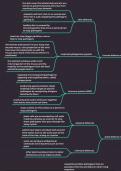
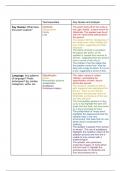
the skin cover the whole body and act as a
barrier to prevent bacteria and virus from
reaching the tissue beneath
platelets will form clot on ur wound and
dries into a scab, stopping the pathogens
getting in. skin defences
healthy skin is covered by
microorganisms that act as a extra barrier
to stop pathogens
nose hair stop bigger particles, mucus
help to trap pathogens
the trachea and bronchi in your lungs also
secrete mucus. cilia (projection of the cells
that cover the tubes) beat to waft the
mucus up to back of the throat where it is
respiratory&digestive sysytem
swallowed human defence re
the stomach produce acids to kill
microorganism in the mucus and the
majority of the pathogens from the food
and drink people took in.
ingesting microorganism(pathogens),
digesting and engulfing them, called
phagocytosis
producing special proteins called
antibody which target at specific
pathogens by recognizing antigens immune system (WBC)
attached to them
producing anti toxins which join together
with toxins and cancel out them.
waxy cuticles on the surface as a barrier to
stop pathogens
plant cells are surrounded by cell walls
made by cellulose as a barrier to stop
those pathogens who pass through the
physical defences
waxy cuticle
plants have layers and dead cells around
their stems such as the outer part of the
bark of the tree, acting as a barrier
plant defence re
some can produce antibacterial
chemicals to kill bacteria such as mint
plant
chemical defences
other plants produce toxins to deter
herbivores such as tobacco plants
caused by protists pathogens that are
parasites who live and feed on other living
organism
barrier to prevent bacteria and virus from
reaching the tissue beneath
platelets will form clot on ur wound and
dries into a scab, stopping the pathogens
getting in. skin defences
healthy skin is covered by
microorganisms that act as a extra barrier
to stop pathogens
nose hair stop bigger particles, mucus
help to trap pathogens
the trachea and bronchi in your lungs also
secrete mucus. cilia (projection of the cells
that cover the tubes) beat to waft the
mucus up to back of the throat where it is
respiratory&digestive sysytem
swallowed human defence re
the stomach produce acids to kill
microorganism in the mucus and the
majority of the pathogens from the food
and drink people took in.
ingesting microorganism(pathogens),
digesting and engulfing them, called
phagocytosis
producing special proteins called
antibody which target at specific
pathogens by recognizing antigens immune system (WBC)
attached to them
producing anti toxins which join together
with toxins and cancel out them.
waxy cuticles on the surface as a barrier to
stop pathogens
plant cells are surrounded by cell walls
made by cellulose as a barrier to stop
those pathogens who pass through the
physical defences
waxy cuticle
plants have layers and dead cells around
their stems such as the outer part of the
bark of the tree, acting as a barrier
plant defence re
some can produce antibacterial
chemicals to kill bacteria such as mint
plant
chemical defences
other plants produce toxins to deter
herbivores such as tobacco plants
caused by protists pathogens that are
parasites who live and feed on other living
organism