NSG 6430 Final
Review
, NSG 6430 Final Review
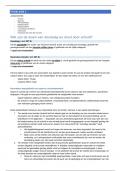
1. An underlying pathology causing pain symptoms during menstrual flow.: A
patient has been diagnosed with secondary dysmenorrhea. Which of the following
statements is true regarding the diagnosis?
2. SSRIs: The nurse practitioner understands that which of the following pharmaco-
logic therapies is an effective treatment for patients with PMS and PMDD?
3. PALM: The nurse practitioner understands that the following classification is used
to standardize Abnormal Uterine Bleeding related to structural etiology:
4. Follicular & Luteal: The nurse practitioner student is studying the ovarian cycle
of the woman. Which of the following phases are comprised in the ovarian cycle?
Select all that apply.
5. What is a normal pattern for you?: What is a good first question for the nurse
practitioner to ask a woman who presents with a concern about abnormal bleeding?
6. 12: The NP is prescribing a depot medroxyprogesterone acetate (DMPA) injection
for a patient. This medication is given at week intervals.
7. The ring, patch, and COCs have the same theoretical efficacy.: When com-
paring COCs to the contraceptive patch and vaginal ring, which of the following
statements by the NP is correct?
8. can help protect against STIs, including HIV: Although barrier contraception
methods are less effective in preventing pregnancy than more modern methods, the
NP understands that interest in barrier methods is on the rise because they:
9. The likelihood of pregnancy when a method is used exactly as prescribed.-
: The nurse practitioner is discussing contraceptive efficacy with a patient. This term
refers to:
10. Progestin implant: A patient is being counseled about emergency contracep-
tive methods. All of the following methods may be used for emergency contraception
except:
11. it is caused by hormonal changes associated with menstruation: A patient
is diagnosed with cyclic mastalgia. Which of the following statements is true regard-
ing the diagnosis?
12. 1 in 8: The nurse practitioner understands that a woman's lifetime risk of being
diagnosed with breast cancer is:
13. acne associated with menstrual dysfunction: The nurse practitioner under-
stands that a patient with hyperandrogenism may present with which of the follow-
ing?
14. 12 months: For women younger than 35, infertility is defined as failure to achieve
a successful pregnancy after of regular unprotected intercourse.
15. hirsutism,: The nurse practitioner is examining a woman with excessive termi-
nal hair growth, which is known as:
1/4
Review
, NSG 6430 Final Review
1. An underlying pathology causing pain symptoms during menstrual flow.: A
patient has been diagnosed with secondary dysmenorrhea. Which of the following
statements is true regarding the diagnosis?
2. SSRIs: The nurse practitioner understands that which of the following pharmaco-
logic therapies is an effective treatment for patients with PMS and PMDD?
3. PALM: The nurse practitioner understands that the following classification is used
to standardize Abnormal Uterine Bleeding related to structural etiology:
4. Follicular & Luteal: The nurse practitioner student is studying the ovarian cycle
of the woman. Which of the following phases are comprised in the ovarian cycle?
Select all that apply.
5. What is a normal pattern for you?: What is a good first question for the nurse
practitioner to ask a woman who presents with a concern about abnormal bleeding?
6. 12: The NP is prescribing a depot medroxyprogesterone acetate (DMPA) injection
for a patient. This medication is given at week intervals.
7. The ring, patch, and COCs have the same theoretical efficacy.: When com-
paring COCs to the contraceptive patch and vaginal ring, which of the following
statements by the NP is correct?
8. can help protect against STIs, including HIV: Although barrier contraception
methods are less effective in preventing pregnancy than more modern methods, the
NP understands that interest in barrier methods is on the rise because they:
9. The likelihood of pregnancy when a method is used exactly as prescribed.-
: The nurse practitioner is discussing contraceptive efficacy with a patient. This term
refers to:
10. Progestin implant: A patient is being counseled about emergency contracep-
tive methods. All of the following methods may be used for emergency contraception
except:
11. it is caused by hormonal changes associated with menstruation: A patient
is diagnosed with cyclic mastalgia. Which of the following statements is true regard-
ing the diagnosis?
12. 1 in 8: The nurse practitioner understands that a woman's lifetime risk of being
diagnosed with breast cancer is:
13. acne associated with menstrual dysfunction: The nurse practitioner under-
stands that a patient with hyperandrogenism may present with which of the follow-
ing?
14. 12 months: For women younger than 35, infertility is defined as failure to achieve
a successful pregnancy after of regular unprotected intercourse.
15. hirsutism,: The nurse practitioner is examining a woman with excessive termi-
nal hair growth, which is known as:
1/4