Chapter 13: Education
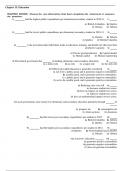
MULTIPLE CHOICE. Choose the one alternative that best completes the statement or answers
the question.
1) had the highest public expenditures per elementary/secondary student in 2010-11. 1)
A) British Columbia B) Quebec
C) Ontario D) Alberta
2) had the lowest public expenditures per elementary/secondary student in 2010-11. 2)
A)
Ontario B) Alberta
C) Quebec D) British Columbia
3) is the investment that individuals make in education, training, and health care that raise their
productive capacity. 3)
A) Private good production B) Capital market
C)Human capital D) Human engineering
4) The federal government has in funding elementary and secondary education. 4)
A) a minor role B) no role C) a major role D) the only role
5) Publicly provided education is generally considered 5)
A) not to be a public good, and it generates negative externalities.
B) a public good, and it generates positive externalities.
C) a public good, and it generates negative externalities.
D) not to be a public good, and it generates positive externalities.
6)
Reducing class size will 6)
A) decrease student test scores.
B) have no impact on student test scores.
C) improve student test scores.
D) have an undetermined impact on test scores.
7) Local governments raise money for elementary and secondary education primarily through .7)
A) property tax B) consumption tax
C) silent auctions D) donations
8) had the lowest post-secondary expenditures per student in 2012. 8)
A) British Columbia B) Alberta
C) Quebec D) Ontario
9) had the highest post-secondary expenditures per student in 2012. 9)
A) Quebec B) Newfoundland and Labrador
C) Ontario D) Alberta
10) A person's education . 10)
A) generates positive externalities
B) generates negative externalities
C) does not generate externalities
MULTIPLE CHOICE. Choose the one alternative that best completes the statement or answers
the question.
1) had the highest public expenditures per elementary/secondary student in 2010-11. 1)
A) British Columbia B) Quebec
C) Ontario D) Alberta
2) had the lowest public expenditures per elementary/secondary student in 2010-11. 2)
A)
Ontario B) Alberta
C) Quebec D) British Columbia
3) is the investment that individuals make in education, training, and health care that raise their
productive capacity. 3)
A) Private good production B) Capital market
C)Human capital D) Human engineering
4) The federal government has in funding elementary and secondary education. 4)
A) a minor role B) no role C) a major role D) the only role
5) Publicly provided education is generally considered 5)
A) not to be a public good, and it generates negative externalities.
B) a public good, and it generates positive externalities.
C) a public good, and it generates negative externalities.
D) not to be a public good, and it generates positive externalities.
6)
Reducing class size will 6)
A) decrease student test scores.
B) have no impact on student test scores.
C) improve student test scores.
D) have an undetermined impact on test scores.
7) Local governments raise money for elementary and secondary education primarily through .7)
A) property tax B) consumption tax
C) silent auctions D) donations
8) had the lowest post-secondary expenditures per student in 2012. 8)
A) British Columbia B) Alberta
C) Quebec D) Ontario
9) had the highest post-secondary expenditures per student in 2012. 9)
A) Quebec B) Newfoundland and Labrador
C) Ontario D) Alberta
10) A person's education . 10)
A) generates positive externalities
B) generates negative externalities
C) does not generate externalities