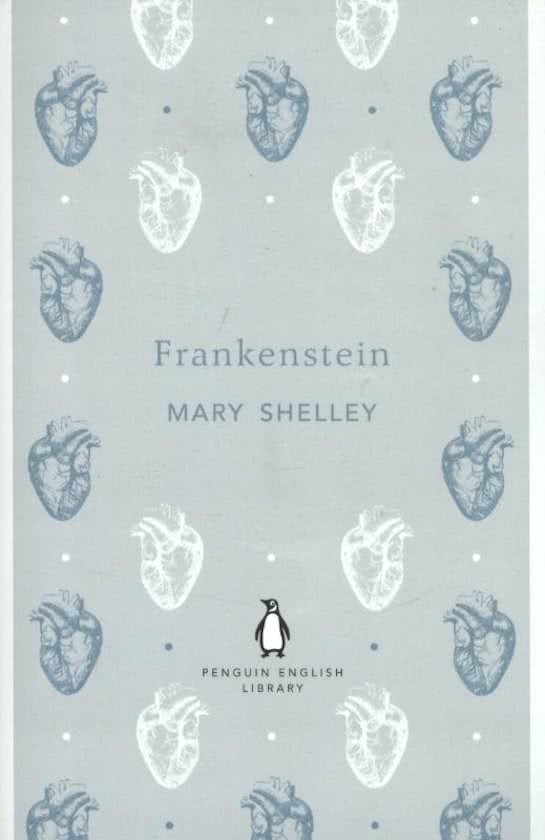
“Man is often more monstrous than the monster.”
Man is monstrous Monstrous Monster
• Victor perverts the natural order and plays • Murders several people and admits in
God in his creation of the creature- Primary Volume 3 some were innocent and helpless
embedded narrative, Literary allusions to (i.e. William)- secondary embedded
Paradise Lost/biblical imagery narrative
• The superficial nature of man leads it to be • Frames Justine- Sub Plot
monstrous- secondary embedded narrative • Takes delight in destruction of the De Lacey
• Victor is in the fact the true murderer cottage- secondary embedded narrative
(which in his guilt he realises) but instead • The creature is often described with
defers his blame to the creature- Unreliable animalistic imagery-
narrator Characterisation/unreliable narrator
• Walton and Victor both drive themselves to • Counter- Monster as a result of malignant
monstrosity through their ambition- Frame circumstance
narrative • Counter- Is there really a large difference
• Humanity is perverted by injustice showing between the creature and its creator in
a species of monsters as demonstrated by their levels of monstrosity? -Doppelganger
the case of Justine- Sub plot/first • Counter-The creature commits good acts-
embedded narrative secondary embedded narrative
• Society is terrorised by patriarchal
paradigms that negatively effect the female
characters of the novel showing a more
nuanced and suppressive monster of man-
epistolary form
• Victor is the monster as his cursed life is
meant to act as a warning to others to not
follow his path- AM allusions/Cautionary
tale
• Walton threatens the safety of his crew in
his ambition driven monstrosity- Frame
narrative
• Counter- Humanity is also inherently good
in other cases too (William and Elizabeth)
and so not all man is monstrous- epistolary
form
• Counter-The creature commits good acts in
his charge to be more human- secondary
embedded narrative
Man is monstrous Monstrous Monster
• Victor perverts the natural order and plays • Murders several people and admits in
God in his creation of the creature- Primary Volume 3 some were innocent and helpless
embedded narrative, Literary allusions to (i.e. William)- secondary embedded
Paradise Lost/biblical imagery narrative
• The superficial nature of man leads it to be • Frames Justine- Sub Plot
monstrous- secondary embedded narrative • Takes delight in destruction of the De Lacey
• Victor is in the fact the true murderer cottage- secondary embedded narrative
(which in his guilt he realises) but instead • The creature is often described with
defers his blame to the creature- Unreliable animalistic imagery-
narrator Characterisation/unreliable narrator
• Walton and Victor both drive themselves to • Counter- Monster as a result of malignant
monstrosity through their ambition- Frame circumstance
narrative • Counter- Is there really a large difference
• Humanity is perverted by injustice showing between the creature and its creator in
a species of monsters as demonstrated by their levels of monstrosity? -Doppelganger
the case of Justine- Sub plot/first • Counter-The creature commits good acts-
embedded narrative secondary embedded narrative
• Society is terrorised by patriarchal
paradigms that negatively effect the female
characters of the novel showing a more
nuanced and suppressive monster of man-
epistolary form
• Victor is the monster as his cursed life is
meant to act as a warning to others to not
follow his path- AM allusions/Cautionary
tale
• Walton threatens the safety of his crew in
his ambition driven monstrosity- Frame
narrative
• Counter- Humanity is also inherently good
in other cases too (William and Elizabeth)
and so not all man is monstrous- epistolary
form
• Counter-The creature commits good acts in
his charge to be more human- secondary
embedded narrative