EDUC 624
Iris Center Case Study
EDUC 624
Instructional Methonds for Behavior and Learning
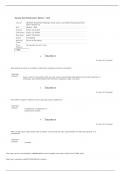
Case Study Level A, Case 1 - Sam (p. 2)
Specific praise is a strategiy that works well for students who view attention as
rewarding and motivational. Specific praise is when you give verbal or written praise to a
student when they are using the outlined desirable behavior. For students who are receptive
to specific praise it is important to do it frequently and then begin to back off as the desired
behavior is becoming more oftern and natural. To deliever the specific praise strategy
effectively you want to make sure you are not being judgemental when you give praise. The
praise should be specific and directed at the student’s behavior or accomplishment. Usuing
the specific praise strategy helps create a postivie classroom environement, better
relationships between the teacher and students, and reinforces
positive behavior. Specific praise could be used to help Sam meet one or more of his goals
because it seems that Sam is easily distracted and is seeking peoples attention during
indepnendt work
time. His teacher can use praise often when he is even remotely close to doing his work
during independent time. It will give him some attention and hopefully drive him to do
more work to receive more specific praise.
Criterion-specific rewards is a strategy that allows the student to get a specific pre
determinded reward after the target behavior has occurred at the students set performance
level. The reward can be all sorts of things; activities, tangiblie items, or a privialge. The
rewards should be planned and predetermined based on the students interests. It should also
be identified to the student as well as the targeted behavior so they student knows what is
, ecpected of them and what will happen when they follow through on the expectation. The
purpose of this strategy is to habe the student work towards something that motivates them
so they are willing to reach the target behavior because of the reward set up. Be upfront with
the student and consistent. Let them know what they need to do to receive the rewards, how
oftern they need to perform the targeted behavior before recieiving the reward and what is
the reward. Make sure the vary the rewards so that the student remained interested. Since
Sam tends to have a difficult time completeign his independent work this stargey could help
him. If his teacher would create a criterion-specific reward system that interested him, maybe
magazine time since he avoids his work by reading his magaize. Then explained to him what
he needed to do and how often he needed to do it in order to receive his rewards I think it
could insentivies him to want to perfrom the targeted behavior of completeing his
independent work.
The choice-making strategy can be used one of two ways. You can use it as a
challenging behavior preventative or to increase the student’s target behavior. Givint
students choices allows them to feel like they have some control over the situation. First you
need to determine where there is an opportunity to offer the student a choice and different
choices you can offer them. For example for Sam a good time to offer him a choice would be
during his independent work time. A
choice that could be offered to him is woud you like to complete the assignment at your desk
or on the comfy chair with a clipboard. Sam would receive some control over the situation
but the teacher is still making it clear that his work needs to completed, he has two options to
help him do that. However when offering choices to a student to help them perform their
targeted behavior it should not turn into a negotiation, if the student asks for a different
option let them know that you will think about adding that one in next time. Choice-making
strategies could be very helpful for Sam to complete his independent work, since he tends to
walkaround offering him two different options for where to it could allow him to feel like he
Iris Center Case Study
EDUC 624
Instructional Methonds for Behavior and Learning
Case Study Level A, Case 1 - Sam (p. 2)
Specific praise is a strategiy that works well for students who view attention as
rewarding and motivational. Specific praise is when you give verbal or written praise to a
student when they are using the outlined desirable behavior. For students who are receptive
to specific praise it is important to do it frequently and then begin to back off as the desired
behavior is becoming more oftern and natural. To deliever the specific praise strategy
effectively you want to make sure you are not being judgemental when you give praise. The
praise should be specific and directed at the student’s behavior or accomplishment. Usuing
the specific praise strategy helps create a postivie classroom environement, better
relationships between the teacher and students, and reinforces
positive behavior. Specific praise could be used to help Sam meet one or more of his goals
because it seems that Sam is easily distracted and is seeking peoples attention during
indepnendt work
time. His teacher can use praise often when he is even remotely close to doing his work
during independent time. It will give him some attention and hopefully drive him to do
more work to receive more specific praise.
Criterion-specific rewards is a strategy that allows the student to get a specific pre
determinded reward after the target behavior has occurred at the students set performance
level. The reward can be all sorts of things; activities, tangiblie items, or a privialge. The
rewards should be planned and predetermined based on the students interests. It should also
be identified to the student as well as the targeted behavior so they student knows what is
, ecpected of them and what will happen when they follow through on the expectation. The
purpose of this strategy is to habe the student work towards something that motivates them
so they are willing to reach the target behavior because of the reward set up. Be upfront with
the student and consistent. Let them know what they need to do to receive the rewards, how
oftern they need to perform the targeted behavior before recieiving the reward and what is
the reward. Make sure the vary the rewards so that the student remained interested. Since
Sam tends to have a difficult time completeign his independent work this stargey could help
him. If his teacher would create a criterion-specific reward system that interested him, maybe
magazine time since he avoids his work by reading his magaize. Then explained to him what
he needed to do and how often he needed to do it in order to receive his rewards I think it
could insentivies him to want to perfrom the targeted behavior of completeing his
independent work.
The choice-making strategy can be used one of two ways. You can use it as a
challenging behavior preventative or to increase the student’s target behavior. Givint
students choices allows them to feel like they have some control over the situation. First you
need to determine where there is an opportunity to offer the student a choice and different
choices you can offer them. For example for Sam a good time to offer him a choice would be
during his independent work time. A
choice that could be offered to him is woud you like to complete the assignment at your desk
or on the comfy chair with a clipboard. Sam would receive some control over the situation
but the teacher is still making it clear that his work needs to completed, he has two options to
help him do that. However when offering choices to a student to help them perform their
targeted behavior it should not turn into a negotiation, if the student asks for a different
option let them know that you will think about adding that one in next time. Choice-making
strategies could be very helpful for Sam to complete his independent work, since he tends to
walkaround offering him two different options for where to it could allow him to feel like he