ATI MedSurg Comprehensive Review
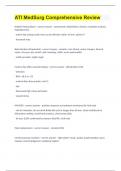
Diabetic Ketoacidosis - assessment: dehydration, ketosis, metabolic acidosis, hyperglycemia - admin fast acting insulin that can be effective within 10 min, admin IV - kussmaul resp Beta blockers (Propanolol) - monitor: sore throat, vision changes, blurred vision, dry eyes, dry mouth, abd cramping, colitis, acute pancreatitis - notify provider: night cough Factors that affect wound healing - dehydration (UO) - infection - BMI 18.5 or 25 - malnutrition (low protein, vita C) - age - decreased hgb, tissue perfusion - wound stress HIV/AIDS - positive response to treatment monitored by viral load - risk for infection: do not drink fluids left out for longer than 60 min, clean toothbrush in dishwasher weekly, avoid fresh produce, check temp daily - dx test: ELISA confirmed by western blot/IFA, viral load Fluid replacement - monitor BUN Cerebrovascular accident - right sided: visual, spatial, proprioception; poor impulse control/judgment; unilateral neglect - left sided: language, math, analytical skills Preventing UTIs - wipe from front to back - void after intercourse - avoid baths - drink 2-3 L of fluid daily - cotton underwear - urinate Q2-4h Radiation therapy - do not remove ink markings - wash area gently with warm water and mild soap - avoid sun esposure for 1 year - dispose body fluids in lead container - limit visits to 30 min a day - staff should wear dosimeter badge to monitor exposure - keep all soiled linens in room until implant is removed Kidney transplants - hemodialysis sometimes needed following surgery because kidneys from deceased donors may not function immediately - requires lifelong immunosuppressive therapy - complications: cardiovascular disease Hemodialysis - expected: weight loss, decrease BP, increase temp - complications: hypocalcemia, bleeding, infection, hypovolemia, anemia - disequilibrium syndrome: nausea, restlessness, dysrhythmias, seizures, headache - notify: headache, nausea, dizziness during dialysis - do not eat during dialysis Inotropic medications - dopamine, digoxin, dobutamine, milirinone - increase contractility and improve CO - monitor HR (apical), hold if 60 min Diabetes inspidus - deficiency in ADH - inability to concentrate urine, 1.001-1.005 - assessment: hypotension, weak peripheral pulses, polydipsia, polyuria (4-30L/day), nocturia, dehydration - DILUTE urine chemistry, CONCENTRATED serum chemestry - treatments: desmopressin, vasopressin (synthetic ADH) - complications: CNS damage, serizures Heart failure - monitor daily weight and i/o - prevention/health promotion: exercise regularly, consume diet low in Na, fluid restrictions, smokin cessation - left sided HF r/t hypertension, CAD, angina, MI, valvular disease... decreased systemic perfusion - right sided HR r/t left sided HF, pulmonary problems, right ventricular MI - **fluid will be backed up in the system behind the failure (Left in Lungs, right in body) Esophageal varices - do not strain to have BM - avoid using table salt to season food Blood transfusion - prime line with NS - verify with 2 nurses - infuse over 2-4 h - monitor for fluid overload - hemolytic reaction: back/chest pain, apprehension/impending doom - allergic reaction: within 24h, bronchospasm, urticaria, anaphylaxis - graft v host disease: within 14 days, thrombocytopenia, anorexia, nausea, chronic hepatitis, weight loss - stop transfusion, change line and run NS Contact precaution - leave equipment in room Fluid volume overload - assess: distended neck veins, full bounding pulse, hypertension, restlessness, cool clammy skin, pallor, edema Gout - decrease intake of purine; increase foods that elevate urine pH - avoid aspirin, diuretics - tx: colchicine, allopurinol TB - assessment: anorexia, low grade fever, night sweats, persistent cough, purulent sputum (possible blood streak) - airborne precautions - have family members tested; intradermal TB test 2-10 weeks of exposure (mantoux) - no longer contagious after 2-3 cont medication; 3 consequtive sputum cultures (Q2-4wk) - tx: isoniazid, rifampin, pyrazinamide, ethambutol Hypokalemia - assess: hypoactive bowel sounds, shallow resp, orthostatic hypotension, thready weak pulse, reduce DTR - monitor EKG: vtach, inverted T waves, ST depression - do not give potassium IM, subQ, bolus - increases risk of dig toxicity - complications: cardiac arrest, resp failure Shock - assessment: tachycardia, decrease systolic pressure/increase diastolic, increase resp, hypoactive bowel sounds - metabolic acidosis - treatment priorities airway/breathing, circulation Lyme Disease - assessment: joint/muscle pain, memory problems, fatigue, carditis, dysrhythmias - tx: 30 day abx; penacillin, cephalosporin, tetracycline Open reduction - monitor: neuro, decrease circulation, pain - pin care - monitor skin breakdown, fat/pulmonary embolism, infection Cushing's disease - assessment: muscle atrophy, bruising, striae, electrolyte imbalances, weight gain, hypertension, full bounding pulses - positive outcomes of therapy: decreased Na, urine cortisol, BG; increased Ca Magnesium sulfate - use: cardiac dysrhytmias (torsades des pointes, refractory vfib) - complications: resp paralysis, decreased reflexes, hypotension, decreased cardiac function (heart block) Pneumonia - inflammation of airways leading to hypoxia; maintain SaO2 at 95% to prevent - use IS Q1h - drink at least 2L of fluid daily - increased resp secretions Myocardial infarction - troponin T/I elevation - ckmb most sensitive indicator - admin morphine to decrease O2 demand of the heart - tpa within 3-4h Cirrhosis - lab: elevated bilirubin, increase PT, increase ammonia, decrease albumin Potential for hemorrhage - obtain vital signs Abd aortic aneurysm - bruit over middle upper abd, pulsating mass just left to midline; abd/flank/back pain - do not palpate abd - may complain of constant gnawing feeling in abd, flank/back pain Mannitol - osmotic diuretic, prevents kidney water reabsorption causing increased UO - adverse effects: nasal congestion, HF, pulmonary edema, metabolic acidosis, f/e losses, rebound ICP Fat embolism - early: dyspnea, tachypnea, desat - late: petechiae on chest, fever, fat globules in urine IM administration - z track method - aspirate for blood; start again if flashback occurs PICC - indication: admin blood; long term chemo, abx, tpn - maintenance: flush before and after meds - change gauze Q48h, transparent dressing Q7days ; remove by pulling toward catheter gently - admin intermittent IV bolus of heparin saline when not in use; use alteplase if clotted Digoxin - toxicity: anorexia, nausea, vomiting, visual disturbances, dysrhythmia - monitor potassium - therapeutic range: 0.5-0.8/2.0 - take antacids one hour after - may take forgotten dose late Contrast dye - assess for shellfish, milk, eggs, chocolate allergy; asthma - monitor pt with DM, renal impairment, HF; pt taking aminoglycosides, NSAIDs, metformin - encourage increased fluids - take laxative and increase fiber - expect stools to be chalky white for 24-72 h Diabetes - assessment: polyuria, polydipsia, polyphagia, neuropathy - sick day care: take insulin even if unable to eat regular diet, monitor BG Q4h - notify provider: ketones in urine, BG 250 Oxygen therapy - nonrebreather: 80-95% O2 - venturi mask: delivers exact O2 flow, 24-50% - simple face mask: short term, 40-60%. increased risk for skin breakdown - partial nonrebreather: for pt who can maintain adequate O2 saturation with mix of RA/O2 Nitroglycerin - store in original container as it is inactivated by heat, light, moisture - place under tongue or between cheek/gums and let it dissolve - take regardless of food intake at onset of angina - relief should begin 1-3 min after admin; take another if pain persists in 5 min - lay down after taking, risk for hypotension Cardiac catheterization - apply firm pressure to prevent bleeding, hematoma formation - monitor VS, coagulation studies Thoracic aortic aneurysm - assessment: dysphagia, SOB, hoarseness Tension pneumothorax - assessment: deviation of trachea, severe resp distress, reduced lung sounds Flail chest - inability of injured side of chest to expand adequately upon inhalation and contract upon exhalation - paradoxical chest movement: - other assessment: SOB, tachycardia, hypotension - prepare pt for positive pressure ventilation - admin analgesics - deep breathing and proper positioning Meningitis - nuchal rigidity Cushing's triad - bradycardia, hypertension, widening pulse pressure Gastric hemorrhage 1. admin O2 2. Iv therapy 3. Insert NG tube 4. admin ranitidine End stage kidney disease - risk for anemia; treat with epoetin alfa - risk for pulmonary edema; treat with furosemide - hypertension - hypocalcemic, treat with Ca carbonate Burns - change dressing every 12-24h, inspect and monitor for infection - elevate and immobilize skin graft site for 3-5days - tak pain med 30 min prior - wrap fingers individually - perform ROM Q1h
Written for
- Institution
- ATI MEDSURG
- Course
- ATI MEDSURG
Document information
- Uploaded on
- September 4, 2023
- Number of pages
- 16
- Written in
- 2023/2024
- Type
- Exam (elaborations)
- Contains
- Questions & answers
Subjects
-
ati medsurg comprehensive review

Also available in package deal