ANATOMY EXAM. TOTAL EXAM MARKS 150
Q1.
A study investigates the effect of training on athletic performance.
In the study, the number of capillaries in the muscle tissue of a person is measured
before and after a six-week period of training.
(a) The table shows the results.
(i) Explain how training may affect the athletic performance of this person.
Use information from the table to support your answer.
(5)
.............................................................................................................................................
.............................................................................................................................................
.............................................................................................................................................
.............................................................................................................................................
.............................................................................................................................................
.............................................................................................................................................
.............................................................................................................................................
.............................................................................................................................................
.............................................................................................................................................
.............................................................................................................................................
.............................................................................................................................................
.............................................................................................................................................
.............................................................................................................................................
.............................................................................................................................................
, (ii) Give two ways in which the design of the study could be improved.
(2)
1 ..........................................................................................................................................
.............................................................................................................................................
2 ..........................................................................................................................................
.............................................................................................................................................
(b) The diameter of a capillary is 8.0 μm and the diameter of the aorta is 25.0 mm.
1000 μm = 1 mm
(i) Calculate the ratio of the diameter of the aorta to the diameter of the capillary.
Show your working.
(2)
ratio = ...........................................................
(ii) Explain why the aorta has a thicker wall than the capillary.
(2)
.............................................................................................................................................
.............................................................................................................................................
.............................................................................................................................................
.............................................................................................................................................
.............................................................................................................................................
.............................................................................................................................................
(Total for question = 11 marks)
,Q2.
Describe an experiment you could carry out to determine the effect of pH on the rate of
digestion by amylase.
Your answer should include experimental details and be written in full sentences.
(6)
.............................................................................................................................................
.............................................................................................................................................
.............................................................................................................................................
.............................................................................................................................................
.............................................................................................................................................
.............................................................................................................................................
.............................................................................................................................................
.............................................................................................................................................
.............................................................................................................................................
.............................................................................................................................................
.............................................................................................................................................
.............................................................................................................................................
.............................................................................................................................................
.............................................................................................................................................
.............................................................................................................................................
.............................................................................................................................................
.............................................................................................................................................
(Total for question = 6 marks)
, Q3.
A student uses this method to investigate the movement of molecules by diffusion.
cut three different sized cubes, A, B, and C, from a block of clear agar jelly.
cube A has sides 2 cm × 2 cm × 2 cm
cube B has sides 1 cm × 1 cm × 1 cm
cube C has sides 0.5 cm × 0.5 cm × 0.5 cm
· place each cube in a beaker of red dye solution for five minutes
· remove the cubes from the dye solution
· wash the surface of each cube with water and dry with filter paper
· cut each cube in half and examine the newly cut surfaces
(a) State what is meant by the term diffusion.
(1)
.............................................................................................................................................
.............................................................................................................................................
(b) Give two factors that the student should control in their investigation.
(2)
1 ..........................................................................................................................................
2 ..........................................................................................................................................
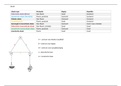
(c) The table gives some information about cubes A, B and C.
(i) Calculate the surface area of cube A.
(2)
surface area = ........................................................... cm2
(ii) Complete the table by calculating the surface area to volume ratio for cube A. (1)
Q1.
A study investigates the effect of training on athletic performance.
In the study, the number of capillaries in the muscle tissue of a person is measured
before and after a six-week period of training.
(a) The table shows the results.
(i) Explain how training may affect the athletic performance of this person.
Use information from the table to support your answer.
(5)
.............................................................................................................................................
.............................................................................................................................................
.............................................................................................................................................
.............................................................................................................................................
.............................................................................................................................................
.............................................................................................................................................
.............................................................................................................................................
.............................................................................................................................................
.............................................................................................................................................
.............................................................................................................................................
.............................................................................................................................................
.............................................................................................................................................
.............................................................................................................................................
.............................................................................................................................................
, (ii) Give two ways in which the design of the study could be improved.
(2)
1 ..........................................................................................................................................
.............................................................................................................................................
2 ..........................................................................................................................................
.............................................................................................................................................
(b) The diameter of a capillary is 8.0 μm and the diameter of the aorta is 25.0 mm.
1000 μm = 1 mm
(i) Calculate the ratio of the diameter of the aorta to the diameter of the capillary.
Show your working.
(2)
ratio = ...........................................................
(ii) Explain why the aorta has a thicker wall than the capillary.
(2)
.............................................................................................................................................
.............................................................................................................................................
.............................................................................................................................................
.............................................................................................................................................
.............................................................................................................................................
.............................................................................................................................................
(Total for question = 11 marks)
,Q2.
Describe an experiment you could carry out to determine the effect of pH on the rate of
digestion by amylase.
Your answer should include experimental details and be written in full sentences.
(6)
.............................................................................................................................................
.............................................................................................................................................
.............................................................................................................................................
.............................................................................................................................................
.............................................................................................................................................
.............................................................................................................................................
.............................................................................................................................................
.............................................................................................................................................
.............................................................................................................................................
.............................................................................................................................................
.............................................................................................................................................
.............................................................................................................................................
.............................................................................................................................................
.............................................................................................................................................
.............................................................................................................................................
.............................................................................................................................................
.............................................................................................................................................
(Total for question = 6 marks)
, Q3.
A student uses this method to investigate the movement of molecules by diffusion.
cut three different sized cubes, A, B, and C, from a block of clear agar jelly.
cube A has sides 2 cm × 2 cm × 2 cm
cube B has sides 1 cm × 1 cm × 1 cm
cube C has sides 0.5 cm × 0.5 cm × 0.5 cm
· place each cube in a beaker of red dye solution for five minutes
· remove the cubes from the dye solution
· wash the surface of each cube with water and dry with filter paper
· cut each cube in half and examine the newly cut surfaces
(a) State what is meant by the term diffusion.
(1)
.............................................................................................................................................
.............................................................................................................................................
(b) Give two factors that the student should control in their investigation.
(2)
1 ..........................................................................................................................................
2 ..........................................................................................................................................
(c) The table gives some information about cubes A, B and C.
(i) Calculate the surface area of cube A.
(2)
surface area = ........................................................... cm2
(ii) Complete the table by calculating the surface area to volume ratio for cube A. (1)