MDC 1 Exam 1 Questions with Correctly Solved Solutions.
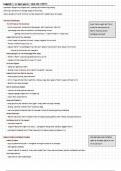
Maslow's Hierarchy of Needs
physiological, safety, love/belonging, esteem, self-actualization
Air interventions
Elevate head of bed 35-45 degrees
oxygen therapy
nebulizer
Food-nutrition intevention
tubal feedings
carbs, fats and proteins
Water intevention
consistent water intake
IV fluids
temperature regulation
thermostat
blankets
clothing
Elimination
using restroom
provide privacy
removes waste of body fluid & food intake
Rest & Sleep: Interventions to promote sleep:
-establish routine
-limit waking during the night
-help w/personal hygiene needs or a back rub prior to sleep to increase comfort
-exercise regularly at least 2 hr before bedtime
-limit fluids 2-4 hr before bed
-engage in muscle relaxation techniques
-pharm agents
Sleep
necessary for body's normal function
Sex
basic physiological need
oral intake
drinking water or eating food
Enteral Intake
nutrition intake through MG Tube, G tube, Peg tube, Jejunotomy tube
Parenteral
centrally inserted IV line such as PICC or central venous access device
safety and security
Protection from physical harm
adequate shelter
freedom from fear and anixety
Normal temperature
96.4-99.5
, True or false: regulation or thermoregulation is determined using the clients
temperature
true
Hypothermia
low body temperature
Hyperthermia
high body temperature
Perfusion
The supply of oxygen to and removal of wastes from the cells and tissues of the body
as a result of the flow of blood through the capillaries.
Pulse normal range
60-100 bpm
Blood Pressure normal range
120/80
ORTHOSTAIC HYPOTENSION
related to dehydration, diarrhea, elevated temps
Respiration
Inhalation and exhalation of air.
Respiration normal range
12-20
rate, rhythm, depth
Characteristics of respiration
rate
number of beats per minute
Rhythmn
regular, irregular, strong
DEPTH OF RESPIRATIONS
normal
shallow
labored
respiratory effort
nasal flaring
use of accessory muscle
body position
Pulse Oximetry (SpO2)
90-100%
interventions to treat hypoxia
oxygen therapy
elevate bed
nebulizer
signs and symptoms of hypoxia
dyspnea, elevated BP, increased respiratory & pulse rates, pallor, cyanosis, anxiety,
restlessness, confusion, drowsiness, any change in LOC
best source of pain
patient
Nonpharmacologic Pain Management
Maslow's Hierarchy of Needs
physiological, safety, love/belonging, esteem, self-actualization
Air interventions
Elevate head of bed 35-45 degrees
oxygen therapy
nebulizer
Food-nutrition intevention
tubal feedings
carbs, fats and proteins
Water intevention
consistent water intake
IV fluids
temperature regulation
thermostat
blankets
clothing
Elimination
using restroom
provide privacy
removes waste of body fluid & food intake
Rest & Sleep: Interventions to promote sleep:
-establish routine
-limit waking during the night
-help w/personal hygiene needs or a back rub prior to sleep to increase comfort
-exercise regularly at least 2 hr before bedtime
-limit fluids 2-4 hr before bed
-engage in muscle relaxation techniques
-pharm agents
Sleep
necessary for body's normal function
Sex
basic physiological need
oral intake
drinking water or eating food
Enteral Intake
nutrition intake through MG Tube, G tube, Peg tube, Jejunotomy tube
Parenteral
centrally inserted IV line such as PICC or central venous access device
safety and security
Protection from physical harm
adequate shelter
freedom from fear and anixety
Normal temperature
96.4-99.5
, True or false: regulation or thermoregulation is determined using the clients
temperature
true
Hypothermia
low body temperature
Hyperthermia
high body temperature
Perfusion
The supply of oxygen to and removal of wastes from the cells and tissues of the body
as a result of the flow of blood through the capillaries.
Pulse normal range
60-100 bpm
Blood Pressure normal range
120/80
ORTHOSTAIC HYPOTENSION
related to dehydration, diarrhea, elevated temps
Respiration
Inhalation and exhalation of air.
Respiration normal range
12-20
rate, rhythm, depth
Characteristics of respiration
rate
number of beats per minute
Rhythmn
regular, irregular, strong
DEPTH OF RESPIRATIONS
normal
shallow
labored
respiratory effort
nasal flaring
use of accessory muscle
body position
Pulse Oximetry (SpO2)
90-100%
interventions to treat hypoxia
oxygen therapy
elevate bed
nebulizer
signs and symptoms of hypoxia
dyspnea, elevated BP, increased respiratory & pulse rates, pallor, cyanosis, anxiety,
restlessness, confusion, drowsiness, any change in LOC
best source of pain
patient
Nonpharmacologic Pain Management