BMTCN questions and answers
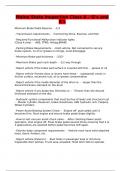
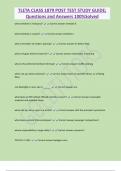
What type of transplants commonly have PTLD as a secondary malignancy? - ANSWER-Allo HSCT with T-cell depleted graft Therapies associated with therapy-related acute leukemia and MDS - ANSWER-alkylating agents (eg. Cytoxan, cisplatin, melphalan, busulfan, ifos) , radiation, topoisomerase II inhibitors (eg. doxorubicin, etoposide, mitoxantrone) Genetic predispositions that increase risk of primary and secondary cancers - ANSWER-neurofibromatosis type 1, Fanconi anemia Risk factors for PTLD - ANSWER-T-cell depleted graft, mismatched related or unrelated donor. Busulfan, ATG, mAbs, TBI patient w/ primary immunodeficiency, acute or extensive GVHD, EBV Risk factors for secondary solid tumors - ANSWER-younger age at HSCT, TBI, chronic GVHD, increasing time from transplant, infections, genetic predisposition, lifestyle factors Treatment options for PTLD - ANSWER-EBV-specific cytotoxic T cells, mAbs targeted to B cells (rituximab), combination chemotherapy Treatment options for secondary MDS/acute leukemia - ANSWER-conventional chemo or allo transplant. Poor outcomes. QOL domains - ANSWER-Physical, Functional, Psychological, Social, Spiritual/existential, Multiple interactions between domains Altered sexual health in male HSCT survivors - ANSWER-damage to the hypothalamic-pituitary-gonadal axis: elevated FSH, elevated LH, low testosterone levels; cavernos
Written for
- Institution
- BMTCN
- Course
- BMTCN
Document information
- Uploaded on
- February 25, 2024
- Number of pages
- 6
- Written in
- 2023/2024
- Type
- Exam (elaborations)
- Contains
- Questions & answers
Subjects
- bmtcn
-
what type of transplants commonly have ptld as a s

Also available in package deal