ELECTROLYTE
IMBALANCES
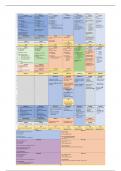
, FLUID & ELECTROLYTE IMBALANCES
Sodium ( Na+ ) 135 - 145 mmol/L
Main role : Neuromuscular function
Hypo = LOW HYPONATREMIA Hyper = HIGH HYPERNATREMIA
Serum sodium level < 135 mmol/L, Serum sodium level > 145 mmol/L
mostly associated with fluid volume imbalances
CAUSES
• Low sodium intake • High sodium intake
• High sodium secretion (Ex. vomiting, diarrhea, diuretics) • Low sodium secretion (Ex. corticosteroids)
• Sodium dilution (Ex. SIADH, kidney disease) • Too much water loss (Ex. fever, DI, watery diarrhea)
Concepts : Sodium loss and water gain Concepts : High sodium and water loss
SIGNS & SYMPTOMS
1. Mild hyponatremia (Na+ 115-135 mmol/L) 1. Early signs :
• Muscle cramp and feeling exhausted • Extremely thirst
• Dry mucous membrane • Dehydration (Ex. dry and flushed skin, urine drop)
• Weakness
2. VERY severe hyponatremia (Na+ < 115 mmol/L)
• Show signs of neurological 2. Late signs :
(Ex. confusion, seizures, hemiparesis) • Disorientation, delusions & hallucinations,
it can caused 'Brain damage'
DIAGNOSIS
Serum sodium < 135 mmol/L Serum sodium > 145 mmol/L
1. Identify the cause of hyponatremia 1. Identify the cause of hypernatremia
2. Monitor V/S and record I/O, daily weight 2. Monitor V/S and record I/O, daily weight
3. Restrict fluid around 800 ml in 24 hrs 3. Restrict fluid and sodium
TREATMENTS
4. Administer IV and oral sodium intake 4. Administer IV
(This depends on 'How much sodium loss') • Isotonic with less percent of sodium
• Isotonic without sodium (Ex. D5W)
Mild : Add sodium in a food
Moderate : Administer IV (Ex. 0.9% NaCl, Ringer's)
Severe : Administer 3% or 5% NaCl, but need to
closely monitor in ICU, it can caused
cerebral edema, and neuro symptoms
If the patient taking 'Lithium', should monitor
lithium level. Hyponatremia can reduce 'Lithium
excretion' caused 'Lithium toxicity' 12
IMBALANCES
, FLUID & ELECTROLYTE IMBALANCES
Sodium ( Na+ ) 135 - 145 mmol/L
Main role : Neuromuscular function
Hypo = LOW HYPONATREMIA Hyper = HIGH HYPERNATREMIA
Serum sodium level < 135 mmol/L, Serum sodium level > 145 mmol/L
mostly associated with fluid volume imbalances
CAUSES
• Low sodium intake • High sodium intake
• High sodium secretion (Ex. vomiting, diarrhea, diuretics) • Low sodium secretion (Ex. corticosteroids)
• Sodium dilution (Ex. SIADH, kidney disease) • Too much water loss (Ex. fever, DI, watery diarrhea)
Concepts : Sodium loss and water gain Concepts : High sodium and water loss
SIGNS & SYMPTOMS
1. Mild hyponatremia (Na+ 115-135 mmol/L) 1. Early signs :
• Muscle cramp and feeling exhausted • Extremely thirst
• Dry mucous membrane • Dehydration (Ex. dry and flushed skin, urine drop)
• Weakness
2. VERY severe hyponatremia (Na+ < 115 mmol/L)
• Show signs of neurological 2. Late signs :
(Ex. confusion, seizures, hemiparesis) • Disorientation, delusions & hallucinations,
it can caused 'Brain damage'
DIAGNOSIS
Serum sodium < 135 mmol/L Serum sodium > 145 mmol/L
1. Identify the cause of hyponatremia 1. Identify the cause of hypernatremia
2. Monitor V/S and record I/O, daily weight 2. Monitor V/S and record I/O, daily weight
3. Restrict fluid around 800 ml in 24 hrs 3. Restrict fluid and sodium
TREATMENTS
4. Administer IV and oral sodium intake 4. Administer IV
(This depends on 'How much sodium loss') • Isotonic with less percent of sodium
• Isotonic without sodium (Ex. D5W)
Mild : Add sodium in a food
Moderate : Administer IV (Ex. 0.9% NaCl, Ringer's)
Severe : Administer 3% or 5% NaCl, but need to
closely monitor in ICU, it can caused
cerebral edema, and neuro symptoms
If the patient taking 'Lithium', should monitor
lithium level. Hyponatremia can reduce 'Lithium
excretion' caused 'Lithium toxicity' 12