VETT 116: Weeks 5-7 (Exam II)
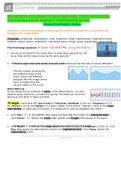
Being able to see the defined edge of an anatomic structure on a radiograph is referred to as the: radiographic contrast radiographic density radiographic detail subject contrast - radiographic density Which of the following may affect radiographic density, contrast, and detail? mA kVp focal-film distance object-film distance All of the above only A, B, and C - All of the above According to Santes' rule, if the abdomen of a cat measures 12 cm, without applying a grid factor, the kVp would be: 72 66 64 54 - 64 Which of the following is the standard focal-film distance? 10 in 20 in 40 in 60 in - 40in 36-40in 300 mA x 1/40 sec = ____ mAs 12 mAs 7.5 mAs 100 mAs 20 mAs - 7.5 mAs Which of the following increases radiographic density? Thinner bone structures and tissues Increased mAs Decreased kVp Increased density of the body part being radiographed - Increased mAs For a patient with an AOI thickness of 4 cm, the kVp setting based on Santes' Rule would be which of the following? 44 kVp 48 kVp 56 kVp 96 kVp - 48 kVp The primary exposure factor that controls scatter radiation is: the collimator setting the caliper measurement kVp mAs - kVp The most common cause of poor contrast on a radiograph is: movement of the patient at the time of exposure film type used incorrectly set exposure factors light leak in the dark room - incorrectly set exposure factors The degree of sharpness that defines the edge of an anatomic structure is known as the: contrast radiographic detail magnification density - radiographic detail The difference in the density or opacity between two areas on a radiograph is known as the: contrast radiographic detail density magnification - contrast Milliamperage is: the penetrating power of an x-ray beam. refers to the number of electrons produced. the period of time during an exposure when electrons are produced. the distance from the x-ray tube to the image source. - refers to the number of electrons produced. When completing a radiographic exposure, if you double the mAs, you will double the radiographic density. True False - True When radiographing skeletal, or bone, structures, use: lower kVp, lower mAs higher kVp, lower mAs lower kVp, higher mAs higher kVp, higher mAs - lower kVp, higher mAs When radiographing soft tissue use: lower kVp, lower mAs higher kVp, lower mAs lower kVp, higher mAs higher kVp, higher mAs - higher kVp, lower mAs To prevent magnification and distortion of the object being radiographed, the patient must: be as parallel to the film as possible. be as close to the film as possible be as close to the x-ray tube as possible. both A and B - Not: be as parallel to the film as possible. Guess: both A and B The density, or blackness, of a radiographic film can be increased by increasing kVp or mAs. True False - True The distance from the focal spot of the x-ray tube to the image receptor is the: Grid Source Image Distance Object-Film Distance Bucky tray - Source Image Distance 300 mA x 1/60 sec = ____ mAs 2.5 mAs 5 mAs 18 mAs 20 mAs - 5 mAs
Written for
- Institution
- VTNE
- Course
- VTNE
Document information
- Uploaded on
- January 4, 2025
- Number of pages
- 13
- Written in
- 2024/2025
- Type
- Exam (elaborations)
- Contains
- Questions & answers
Subjects
- vett 116
-
vett 116 weeks 5 7 exam ii

Also available in package deal