Positive Negative
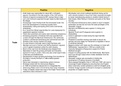
• Cloth trade was responsible for about 90% of English • Winchester and Lincoln suffered significant decay as the
exports- flourished in the later quarter of the 15th century cloth industry tended to move from older corporate boroughs
• Volume of exports increased by 60% during Henry’s reign to newer manufacturing centres in smaller market towns in
• Lynn and Yarmouth exported through Calais by Merchants of East Anglia, West Riding of Yorkshire and parts of the West
the Staple. Country.
• Increasingly it was finished cloth that dominated trade- this • The Merchant Adventurers were unable to reach complete
led to the development of weaving (usually done domination as they did not have the trade privileges of the
domestically), fulling and dyeing which were commercial Hanseatic League
enterprises. • Germany and Bohemia were superior in mining and
• As a result this offered opportunities for rural employment to metallurgy
supplement agrarian incomes. • Spanish, Dutch and Portuguese were superior in
• Towns like Lavenham and Lewes were extremely prosperous shipbuilding
• Increasing proportion of finished cloth was exported from • Crown’s approach to trade during his reign had little
London through the Merchant Adventurers- this reinforced consistency.
London’s commercial dominance and commercial axis with • Prepared to sacrifice revenue and trade to secure his
Antwerp (main money market of Europe) dynasty and was happy for Parliament to legislate in favour
Trade • Tin was mined in Cornwall, lead in high Pennines and of sectional interests
Mendips and coal in Durham and Northumberland- required • Biggest problem with trade was the embargo on trade with
a lot of capital investment unlike the cloth industry Netherlands- imposed this in 1493 as a result of the
• Much of the coal from the Northeast was shipped from insecurity Margaret of Burgundy’s support for Perkin
Newcastle to meet the growing domestic and industrial Warbeck brought.
demand for fuel in London- there was also small export trade • Instead of trading directly with the Netherlands, Merchants
ti Germany and Netherlands had to go through Calais which invited retaliation from the
• Development of basic pumping technology first recorded at Netherlands.
Finchale in County Durham in 1486 enabled greater • Hanseatic League was successful in limiting the
production development of trading interests in the Baltic.
• Henry was interested in maximising custom revenue. • Henry passed Navigation Acts of 1485 and 1489- aim was to
• Embargo ended with the Intercursus Magnus encourage English shipping by ensuring that only English
• In 1506 circumstances allowed him to renegotiate the ships could carry certain products to and from English ports-
Intercursus Malus even if its full terms were never imposed. however foreign vessels continued to transport a substantial
• Treaty of Etaples meant that most of the Anglo-French trade proportion of English exports.
restrictions were removed in 1497.
• Cloth trade was responsible for about 90% of English • Winchester and Lincoln suffered significant decay as the
exports- flourished in the later quarter of the 15th century cloth industry tended to move from older corporate boroughs
• Volume of exports increased by 60% during Henry’s reign to newer manufacturing centres in smaller market towns in
• Lynn and Yarmouth exported through Calais by Merchants of East Anglia, West Riding of Yorkshire and parts of the West
the Staple. Country.
• Increasingly it was finished cloth that dominated trade- this • The Merchant Adventurers were unable to reach complete
led to the development of weaving (usually done domination as they did not have the trade privileges of the
domestically), fulling and dyeing which were commercial Hanseatic League
enterprises. • Germany and Bohemia were superior in mining and
• As a result this offered opportunities for rural employment to metallurgy
supplement agrarian incomes. • Spanish, Dutch and Portuguese were superior in
• Towns like Lavenham and Lewes were extremely prosperous shipbuilding
• Increasing proportion of finished cloth was exported from • Crown’s approach to trade during his reign had little
London through the Merchant Adventurers- this reinforced consistency.
London’s commercial dominance and commercial axis with • Prepared to sacrifice revenue and trade to secure his
Antwerp (main money market of Europe) dynasty and was happy for Parliament to legislate in favour
Trade • Tin was mined in Cornwall, lead in high Pennines and of sectional interests
Mendips and coal in Durham and Northumberland- required • Biggest problem with trade was the embargo on trade with
a lot of capital investment unlike the cloth industry Netherlands- imposed this in 1493 as a result of the
• Much of the coal from the Northeast was shipped from insecurity Margaret of Burgundy’s support for Perkin
Newcastle to meet the growing domestic and industrial Warbeck brought.
demand for fuel in London- there was also small export trade • Instead of trading directly with the Netherlands, Merchants
ti Germany and Netherlands had to go through Calais which invited retaliation from the
• Development of basic pumping technology first recorded at Netherlands.
Finchale in County Durham in 1486 enabled greater • Hanseatic League was successful in limiting the
production development of trading interests in the Baltic.
• Henry was interested in maximising custom revenue. • Henry passed Navigation Acts of 1485 and 1489- aim was to
• Embargo ended with the Intercursus Magnus encourage English shipping by ensuring that only English
• In 1506 circumstances allowed him to renegotiate the ships could carry certain products to and from English ports-
Intercursus Malus even if its full terms were never imposed. however foreign vessels continued to transport a substantial
• Treaty of Etaples meant that most of the Anglo-French trade proportion of English exports.
restrictions were removed in 1497.