Module 2
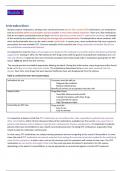
Module 2 Introduction Nonprescription medications, perhaps more commonly known as over-the-counter (OTC) medications, are medications that are available without a prescription and are available in most cases without restriction. There are a few medications that do not require a prescription but are kept behind the pharmacy counter and ID is required for purchase. An example of this would be any medication containing the decongestant pseudoephedrine. Pseudoephedrine when combines with other easily obtainable items can be used to make crystal meth. In recent years, many medications that once required a prescription are now available OTC. Common examples of this would be the allergy medication loratadine (Claritin) or the acid blocker esomeprazole (Nexium). It is important to note the degree of oversight varies between OTC medications and other options like dietary and herbal supplements. Starting in 1972, the FDA started an OTC drug review with the goal of ensuring these medications are both safe and effective. In general, there are commonly accepted criteria that would make a medication appropriate for OTC status. Table 2.1 below lists this criterion. The second goal was to establish appropriate labeling standards. During this initial review, many drugs were either found to be ineffective or in some cases even unsafe. The medications determined to be unsafe were removed from the market. Over time, most drugs that were deemed ineffective have also disappeared from the shelves
École, étude et sujet
- Établissement
- Module 2
- Cours
- Module 2
Infos sur le Document
- Publié le
- 6 septembre 2023
- Nombre de pages
- 9
- Écrit en
- 2023/2024
- Type
- Examen
- Contient
- Questions et réponses
Sujets
-
module 2
-
module

Document également disponible en groupe