The Conflict Between Motherhood and Slavery;
How slavery strips mothers of their motherhood
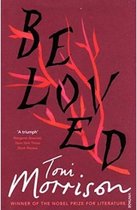
One of the main themes in Beloved is motherhood. Motherhood is described as the
freedom to love you children, to care for those children and to nurture them. However,
when enslaved, mothers are not allowed to love their children. This conflict is mainly
shown through Sethe and Baby Suggs. Sethe is a mother of four, she used to be a
slave, however at the start of the story she is a free woman. Baby Suggs is Sethe’s
mother-in-law and she lost all of her children. She does not know if they are alive of
dead, but she does know that she will never see them again. Beloved displays their
struggles as mothers, who at times were not able to fully love their children. Through
the characters of Sethe and Baby Suggs the book Beloved show that slavery strips
mothers form their motherhood. This is best shown by how enslaved women cannot
bond with their children; they cannot nourish them and most importantly they cannot
love them.
Firstly, in the book it is constantly shown that slavery obstructs mothers from bonding
with their children, because the children get taken away from their mother. Slave
owners do not care about the families of the slaves, so when selling or relocating,
these families are ripped apart. This is best reflected in Baby Suggs, whom out of all
characters featured in the novel, has lived in slavery the longest. Baby Suggs actively
tries not to form a bond with her children, in the hope that when they eventually get
ripped away from her, it will hurt less.
The last of her children, whom she barely glanced at when he was born
because it wasn’t worth the trouble to try to learn features you would never
see change into adulthood anyway. (P.434, Morrison, 1987)
Here Baby Suggs describes being afraid she could not see her last son grown up, just
like she lost all her other children. Baby Suggs could not be a mother to her children.
She deliberately does not look at her son, because she is too afraid that she will love
the child. The experience of Baby Suggs demonstrates how mothers in slavery cannot
bond with their children, because they might not be with them for long.
Secondly, it is shown that slavery robs mothers of their motherhood by taking away
their physical capability of taking care of their children. This is mainly shown by the
How slavery strips mothers of their motherhood
One of the main themes in Beloved is motherhood. Motherhood is described as the
freedom to love you children, to care for those children and to nurture them. However,
when enslaved, mothers are not allowed to love their children. This conflict is mainly
shown through Sethe and Baby Suggs. Sethe is a mother of four, she used to be a
slave, however at the start of the story she is a free woman. Baby Suggs is Sethe’s
mother-in-law and she lost all of her children. She does not know if they are alive of
dead, but she does know that she will never see them again. Beloved displays their
struggles as mothers, who at times were not able to fully love their children. Through
the characters of Sethe and Baby Suggs the book Beloved show that slavery strips
mothers form their motherhood. This is best shown by how enslaved women cannot
bond with their children; they cannot nourish them and most importantly they cannot
love them.
Firstly, in the book it is constantly shown that slavery obstructs mothers from bonding
with their children, because the children get taken away from their mother. Slave
owners do not care about the families of the slaves, so when selling or relocating,
these families are ripped apart. This is best reflected in Baby Suggs, whom out of all
characters featured in the novel, has lived in slavery the longest. Baby Suggs actively
tries not to form a bond with her children, in the hope that when they eventually get
ripped away from her, it will hurt less.
The last of her children, whom she barely glanced at when he was born
because it wasn’t worth the trouble to try to learn features you would never
see change into adulthood anyway. (P.434, Morrison, 1987)
Here Baby Suggs describes being afraid she could not see her last son grown up, just
like she lost all her other children. Baby Suggs could not be a mother to her children.
She deliberately does not look at her son, because she is too afraid that she will love
the child. The experience of Baby Suggs demonstrates how mothers in slavery cannot
bond with their children, because they might not be with them for long.
Secondly, it is shown that slavery robs mothers of their motherhood by taking away
their physical capability of taking care of their children. This is mainly shown by the