Topic 3 – Globalisation:
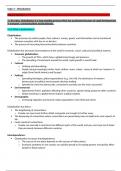
Enquiry Question 1: What are the causes of globalisation and why has it accelerated in recent decades?
3.1 Key Idea: Globalisation is a long-standing process which has accelerated because of rapid developments
in transport, communications and businesses.
3.1a) What is globalisation?
Globalisation:
The processes by which people, their cultures, money, goods, and information can be transferred
between countries with few or no barriers
The process of increasing interconnectivity between countries.
Globalisation has increased connectedness of the world's economic, social, cultural and political systems.
Economic globalisation:
o The growth of TNCs, which have a global brand image and presence.
o The spreading of investment around the world; rapid growth in world trade
Cultural:
o Unifying and diversifying.
o People using increasingly similar: food, clothes, music, values - many of which are 'western' in
origin (from North America and Europe)
Political:
o Spreading ideologies, global organisations (e.g., the UN), the dominance of western
democracies in political and economic decision making
o Spreads the view that democratic, consumerist societies are the most 'successful'
Environmental:
o Agreements (Paris), pollution affecting other countries, species being spread to other countries
o Global warming is a global threat requires a global solution
Demographic:
o Increasing migration and tourism makes populations more fluid and mixed
Globalization has led to:
The lengthening of connections:
o People can now travel further afield, and goods are brought in further away
The deepening of connections where connections are penetrating more in depth into most aspects of
life
Faster speed of connections:
o People can now talk in real time from different parts of the world, and you can travel much faster
than previously between different countries
Interdependence:
Globalization increases interdependence
o The success of one place depends on the success of other places
o Economic problems in one country can quickly spread to its trading partner and quickly affect
people in distant places
,Flows:
Increasing the flows of:
Goods and services (including commodities)
o Products and commodities that can be bought are often made or grown in other countries
Capital
o Flows of money between people, banks, businesses and governments
People (including migrants and tourists)
Information
o E.g., data transferred between businesses and people, often using the internet
3.1b) Transport, technology, globalisation
The shrinking world: David Harvey
The physical distance between places remains unchanged, about new technologies reduce the time
taken to transport goods/people/communicate information
o The process of time-space compression
Time space compression: an effect of increased connectivity with more distant place,
and an effect of the shrinking world
There is more widespread knowledge about distant places, so they feel less exotic. The friction of
distance has been reduced.
19th and 20th century technologies:
Steam In the 1800s, Britain was leading the world in the use of steam technology.
train/power
This allowed the British to move their goods and armies very quickly into key
areas, such as Asia and Africa.
Jet aircraft Newer and more efficient aircraft have allowed goods to be transported quickly
between countries.
Increasing competition between affordable airlines (e.g., EasyJet, Ryanair, Jet 2)
has led to more people being able to travel abroad.
Containerisation There are more than 200 million container movements every year and this is
extremely important to the global economy.
All sorts of goods are transported across the world, lower costs of transport are
beneficial for both businesses and consumers.
Process is easily mechanised; containers are unloaded by crane, increasingly
automatically. In the past, cargo was loaded manually in crates or stacks.
Container ships are so efficient that the transport costs of moving an iPhone or
television from China to the UK are less than £1.
Shipping cost reduced as fewer days are wasted queuing at a port waiting to
unload.
o Faster transport times increase the distance perishable products can be
transported, e.g., cut flowers from Kenya, opening up more distant
markets and reducing losses.
, Telegraph The first telegraph cables were laid across the Atlantic in 1860s, which allowed for
almost instantaneous communication and revolutionised how businesses
operated.
21st century technologies:
Telephones Mobile phone use is very common across the world with smartphones becoming even
more popular which has allowed better global communication
Broadband Since the 1990s, large amounts of data can be transferred very quickly via cables laid
/ Fibre out along the ocean floor.
optics
The introduction of fibre optic cabling for domestic abuse has accelerated telephone,
internet and television speeds for the home.
GPS Satellites have allowed companies and people to track goods across the world. GPS has
become an essential feature of modern cars and has led to the success of Google
Maps.
Internet The internet is now extremely important - approximately 40% of the world’s
population have access to it.
Social media is extremely influential and due to their large numbers of users, has led to
the rapid spread of news, knowledge and opinions.
3.1c) Communication Technology
ICT developments have reduced communication costs and increased global communication flows
Mobile Phones Invented in the mid-1990s
in the 2000s extended they information flows to locations beyond landline
networks.
Reduced mobile phone costs expanded usage from an expensive business tool
to an ubiquitous consumer product.
Used even in countries with a lack of communications infrastructure.
By 2015, 70% of people in Africa owned a mobile phone.
Internet Became common from the mid 1990s, followed by fast broadband.
Close to 50% of the world's population uses internet.
Broadband internet in the 1980s and 90s meant that large amounts of
data could be moved quickly through cyberspace.
Social networks Social networks and Skype allow people to communicate instantly and without
charge (with an internet connection).
The development of social media (Facebook 2006, Instagram 2010, WhatsApp
2010) enabled much cheaper communication between friends and family than
landline telephone.
This has led to space-time compression, where the cost (time or
money) of communicating over distance has fallen rapidly, so people
Enquiry Question 1: What are the causes of globalisation and why has it accelerated in recent decades?
3.1 Key Idea: Globalisation is a long-standing process which has accelerated because of rapid developments
in transport, communications and businesses.
3.1a) What is globalisation?
Globalisation:
The processes by which people, their cultures, money, goods, and information can be transferred
between countries with few or no barriers
The process of increasing interconnectivity between countries.
Globalisation has increased connectedness of the world's economic, social, cultural and political systems.
Economic globalisation:
o The growth of TNCs, which have a global brand image and presence.
o The spreading of investment around the world; rapid growth in world trade
Cultural:
o Unifying and diversifying.
o People using increasingly similar: food, clothes, music, values - many of which are 'western' in
origin (from North America and Europe)
Political:
o Spreading ideologies, global organisations (e.g., the UN), the dominance of western
democracies in political and economic decision making
o Spreads the view that democratic, consumerist societies are the most 'successful'
Environmental:
o Agreements (Paris), pollution affecting other countries, species being spread to other countries
o Global warming is a global threat requires a global solution
Demographic:
o Increasing migration and tourism makes populations more fluid and mixed
Globalization has led to:
The lengthening of connections:
o People can now travel further afield, and goods are brought in further away
The deepening of connections where connections are penetrating more in depth into most aspects of
life
Faster speed of connections:
o People can now talk in real time from different parts of the world, and you can travel much faster
than previously between different countries
Interdependence:
Globalization increases interdependence
o The success of one place depends on the success of other places
o Economic problems in one country can quickly spread to its trading partner and quickly affect
people in distant places
,Flows:
Increasing the flows of:
Goods and services (including commodities)
o Products and commodities that can be bought are often made or grown in other countries
Capital
o Flows of money between people, banks, businesses and governments
People (including migrants and tourists)
Information
o E.g., data transferred between businesses and people, often using the internet
3.1b) Transport, technology, globalisation
The shrinking world: David Harvey
The physical distance between places remains unchanged, about new technologies reduce the time
taken to transport goods/people/communicate information
o The process of time-space compression
Time space compression: an effect of increased connectivity with more distant place,
and an effect of the shrinking world
There is more widespread knowledge about distant places, so they feel less exotic. The friction of
distance has been reduced.
19th and 20th century technologies:
Steam In the 1800s, Britain was leading the world in the use of steam technology.
train/power
This allowed the British to move their goods and armies very quickly into key
areas, such as Asia and Africa.
Jet aircraft Newer and more efficient aircraft have allowed goods to be transported quickly
between countries.
Increasing competition between affordable airlines (e.g., EasyJet, Ryanair, Jet 2)
has led to more people being able to travel abroad.
Containerisation There are more than 200 million container movements every year and this is
extremely important to the global economy.
All sorts of goods are transported across the world, lower costs of transport are
beneficial for both businesses and consumers.
Process is easily mechanised; containers are unloaded by crane, increasingly
automatically. In the past, cargo was loaded manually in crates or stacks.
Container ships are so efficient that the transport costs of moving an iPhone or
television from China to the UK are less than £1.
Shipping cost reduced as fewer days are wasted queuing at a port waiting to
unload.
o Faster transport times increase the distance perishable products can be
transported, e.g., cut flowers from Kenya, opening up more distant
markets and reducing losses.
, Telegraph The first telegraph cables were laid across the Atlantic in 1860s, which allowed for
almost instantaneous communication and revolutionised how businesses
operated.
21st century technologies:
Telephones Mobile phone use is very common across the world with smartphones becoming even
more popular which has allowed better global communication
Broadband Since the 1990s, large amounts of data can be transferred very quickly via cables laid
/ Fibre out along the ocean floor.
optics
The introduction of fibre optic cabling for domestic abuse has accelerated telephone,
internet and television speeds for the home.
GPS Satellites have allowed companies and people to track goods across the world. GPS has
become an essential feature of modern cars and has led to the success of Google
Maps.
Internet The internet is now extremely important - approximately 40% of the world’s
population have access to it.
Social media is extremely influential and due to their large numbers of users, has led to
the rapid spread of news, knowledge and opinions.
3.1c) Communication Technology
ICT developments have reduced communication costs and increased global communication flows
Mobile Phones Invented in the mid-1990s
in the 2000s extended they information flows to locations beyond landline
networks.
Reduced mobile phone costs expanded usage from an expensive business tool
to an ubiquitous consumer product.
Used even in countries with a lack of communications infrastructure.
By 2015, 70% of people in Africa owned a mobile phone.
Internet Became common from the mid 1990s, followed by fast broadband.
Close to 50% of the world's population uses internet.
Broadband internet in the 1980s and 90s meant that large amounts of
data could be moved quickly through cyberspace.
Social networks Social networks and Skype allow people to communicate instantly and without
charge (with an internet connection).
The development of social media (Facebook 2006, Instagram 2010, WhatsApp
2010) enabled much cheaper communication between friends and family than
landline telephone.
This has led to space-time compression, where the cost (time or
money) of communicating over distance has fallen rapidly, so people