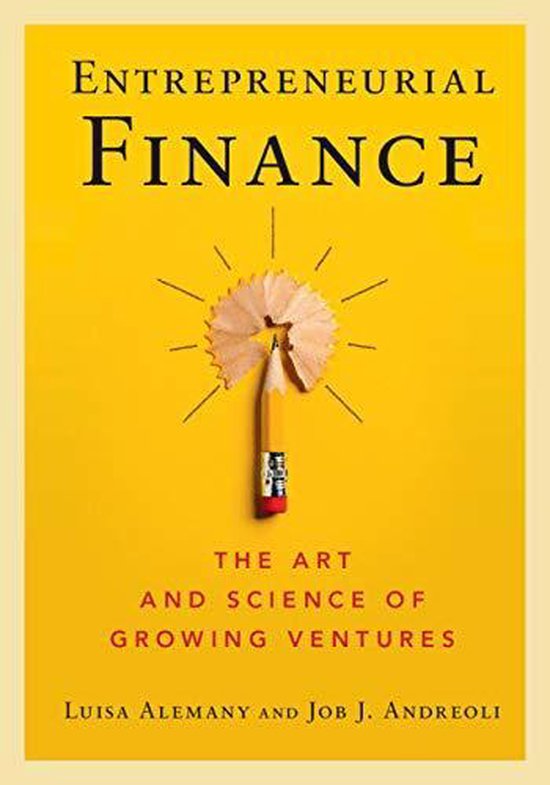
SOLUTION MANUAL For Entrepreneurial Finance, 7th
Edition by J. Chris Leach, Ronald W. Melicher
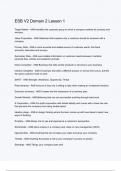
A successful entrepreneur: - ANSWER: -sees and seizes a commercial opportunity
-tends to be optimistic
-plans to obtain physical, financial and human resources needed for venture to
succeed
Principles of Entr Finance: #1 - ANSWER: real, human and financial capital must be
rented from owners
-the time value of is an importnat component of the rent one pays for using
someone elses financial capital
-when you rent the money, it cant be rented to others, and you must expect to
compensate the money owner for that loss
Principle #2 - ANSWER: Risk and Expected reward go hand in hand
-higher the risk, the higher the interest rate (cost of borrowing), provides higher
reward for the lender (pay-day-loans)
Principle #3 - ANSWER: while accounting is the language of business, cash is the
currency
-entrepreneurs need to be able to quantify certain aspects of their ventures future
and translate them into approprriate financial statements
-entrepreneurs underestimate cash needed and overestimate revenue generated
Principle #4 - ANSWER: new venture financing involves search, negotiation and
privacy
-find investors, negotiate price/return, and keep it private
Principle #5 - ANSWER: a ventures financial objective is to increase value
-value can be financial, social and environmental
-how does your venture add value?
Free Cash: - ANSWER: the cash exceeding that which is needed to operate, pay
creditors and invest in the assests
Free Cash Flow: - ANSWER: is the change in free cash over time
Principle #6 - ANSWER: it is dangerous to assume that people act against their own
self interest
-aligning incentives (investors, founders, employees and spouses) is critical
-when situations change, incentives diverage and renegotiation is important
, Principle #7 - ANSWER: venture character and reputation can be an asset or liability
-high ethical standards
-ventures can have character that can be different from the individuals who founded
or manage it
-many entrepreneurs are involved in charitable endeavors
Entrepreneurial Finance: - ANSWER: is the application and adaptation of financial
tools, techniques, and principles to the planning, funding, operations and valuation
of an entrepreneurial venture
Development stage - ANSWER: period involving the progression from an idea to a
promisng business opportunity
startup stage - ANSWER: period when the venture is organized, developed, and an
initial revenue model is put in place
survival stage - ANSWER: period when revenues start to grow and help pay some,
but typically not all, of the expenses
rapid growth stage - ANSWER: period of very rapid revenue and cash flow growth
maturity stage - ANSWER: period when the growth of revenue and cash flow
continue but at a much slower rate than in the rapid-growth stage
Seed Financing: during development stage - ANSWER: -funds needed to determine
whether the idea can be converted into a viable business opportunity
-primary source of funds at the development stage are the entrepreneurs own assets
-family and friends
Start- up financing: - ANSWER: funds neede to take the venture from having
established a viable business opportunity to initial production and sales
-directed at firms that have a solid managment team, business plan and are
generating revenues
Venture Capital: - ANSWER: early stage financial capital often involving risk of total
loss
Venture Capitalists: - ANSWER: individuals who join in formal, organized firms to
raise and distribute venture capital to new and fast growing ventures
Business Angels: - ANSWER: wealthy individuals operating as formal or private
investors who provide venture financing for small business
Ex: Ron of Jerry
Edition by J. Chris Leach, Ronald W. Melicher
A successful entrepreneur: - ANSWER: -sees and seizes a commercial opportunity
-tends to be optimistic
-plans to obtain physical, financial and human resources needed for venture to
succeed
Principles of Entr Finance: #1 - ANSWER: real, human and financial capital must be
rented from owners
-the time value of is an importnat component of the rent one pays for using
someone elses financial capital
-when you rent the money, it cant be rented to others, and you must expect to
compensate the money owner for that loss
Principle #2 - ANSWER: Risk and Expected reward go hand in hand
-higher the risk, the higher the interest rate (cost of borrowing), provides higher
reward for the lender (pay-day-loans)
Principle #3 - ANSWER: while accounting is the language of business, cash is the
currency
-entrepreneurs need to be able to quantify certain aspects of their ventures future
and translate them into approprriate financial statements
-entrepreneurs underestimate cash needed and overestimate revenue generated
Principle #4 - ANSWER: new venture financing involves search, negotiation and
privacy
-find investors, negotiate price/return, and keep it private
Principle #5 - ANSWER: a ventures financial objective is to increase value
-value can be financial, social and environmental
-how does your venture add value?
Free Cash: - ANSWER: the cash exceeding that which is needed to operate, pay
creditors and invest in the assests
Free Cash Flow: - ANSWER: is the change in free cash over time
Principle #6 - ANSWER: it is dangerous to assume that people act against their own
self interest
-aligning incentives (investors, founders, employees and spouses) is critical
-when situations change, incentives diverage and renegotiation is important
, Principle #7 - ANSWER: venture character and reputation can be an asset or liability
-high ethical standards
-ventures can have character that can be different from the individuals who founded
or manage it
-many entrepreneurs are involved in charitable endeavors
Entrepreneurial Finance: - ANSWER: is the application and adaptation of financial
tools, techniques, and principles to the planning, funding, operations and valuation
of an entrepreneurial venture
Development stage - ANSWER: period involving the progression from an idea to a
promisng business opportunity
startup stage - ANSWER: period when the venture is organized, developed, and an
initial revenue model is put in place
survival stage - ANSWER: period when revenues start to grow and help pay some,
but typically not all, of the expenses
rapid growth stage - ANSWER: period of very rapid revenue and cash flow growth
maturity stage - ANSWER: period when the growth of revenue and cash flow
continue but at a much slower rate than in the rapid-growth stage
Seed Financing: during development stage - ANSWER: -funds needed to determine
whether the idea can be converted into a viable business opportunity
-primary source of funds at the development stage are the entrepreneurs own assets
-family and friends
Start- up financing: - ANSWER: funds neede to take the venture from having
established a viable business opportunity to initial production and sales
-directed at firms that have a solid managment team, business plan and are
generating revenues
Venture Capital: - ANSWER: early stage financial capital often involving risk of total
loss
Venture Capitalists: - ANSWER: individuals who join in formal, organized firms to
raise and distribute venture capital to new and fast growing ventures
Business Angels: - ANSWER: wealthy individuals operating as formal or private
investors who provide venture financing for small business
Ex: Ron of Jerry