Mark Klimek Lecture 12 - Prioritization/Delegation Exam Latest Updated
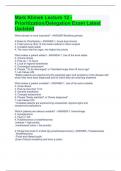
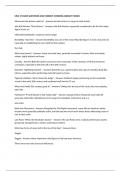
Which phrase is more important? - ANSWER-Modifying phrase 4 Rules for Prioritization - ANSWER-1. Acute beat chronic 2. Fresh post-op (first 12 hrs) beats medical or other surgical 3. Unstable beats stable 4. The more vital the organ, the higher the priority What makes a patient stable? - ANSWER-1. Use of the word stable 2. Chronic illness 3. Post-op 12 hours 4. Local or regional anesthesia 5. Unchanged assessment 6. Phrase: "To be discharged" or "Admitted longer than 24 hours ago" 7. Lab Values A/B *Stable patients are experiencing the expected signs and symptoms of the disease with which they have been diagnosed and for which they are receiving treatment What makes a patient unstable? - ANSWER-1. Use of the word unstable 2. Acute illness 3. Post-op less than 12 hr 4. General anesthesia 5. Changed assessment 6. Phrase "Newly admitted" or "Newly diagnosed" 7. Lab Values C/D * Unstable patients are experiencing unexpected, atypical signs and symptoms/complications What 4 patients are always unstable? - ANSWER-1. Hemorrhage 2. Hypoglycemia 3. Fever ≥ 105 4. Pulselessness or breathlessness (witness = high priority unwitnessed scene = low priority) 3 Things that result in a black tag (unwitnessed scene) - ANSWER-- Pulselessness - Breathlessness - Fixed and dilated pupils (Even if they're breathing and have a pulse)
Written for
- Institution
- Klimek Lecture 12
- Course
- Klimek Lecture 12
Document information
- Uploaded on
- June 27, 2023
- Number of pages
- 4
- Written in
- 2022/2023
- Type
- Exam (elaborations)
- Contains
- Questions & answers
Subjects
- mark klimek lecture 12
-
mark klimek lecture 12 prioritizationdelegation
-
which phrase is more important
-
4 rules for prioritization
-
what makes a patient stable

Also available in package deal