CMN 568 - Unit 5 Hay Questions With Complete Solutions 100% Verified
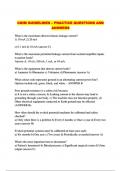
CMN 568 - Unit 5 Hay Questions With Complete Solutions 100% Verified Normal factors promoting reflux in infants are all except: (Hay 624) a. stomach capacity b. feeding frequency c. self-settling skills d. positioning after feeding - answerB—feeding volume but not frequency influences reflux Conditions associated with reflux in kids include: (Hay 624) a. asthma b. cystic fibrosis c. hiatal hernia d. all of these - answerD—all of these plus developmental handicaps and repaired TE fistula T/F: the best way to diagnose reflux in thriving infants is an upper GI series - answerFalse- this is a clinical diagnosis. Upper GI rules out other causes of vomiting but is not a test for GERD. (Hay 624) In older children, the first method used to diagnose GERD is: a. upper GI b. trial of acid-suppressing medication c. pH monitoring d. impedance esophageal monitoring - answerB—this may be both diagnostic and therapeutic. The other choices are appropriate for persistent symptoms. (Hay 624) To reduce the occurrence of reflux in infants the FNP should prescribe: a. A H2-receptor antagonist like ranitidine b. A PPI like pantoprazole c. hypoallergenic formula d. None of these will help - answerD—these may reduce pain and symptoms but will not reduce reflux occurrence (Hay 625) If the parents of an infant with reflux has been trying special formula and/or acid-suppression agents and are not experiencing improvement, at what point would they STOP? a. 2 weeks b. 1 month c. 6 weeks d. 2 months - answerA—2 weeks (Hay 625) The FNP should instruct which parents that spontaneous resolution of their child's reflux is unlikely to occur: a. 8 month old with a large hiatal hernia b. 24 month old on ranitidine c. 9 month old on omeprazole d. both a & b - answerD—large hiatal hernia is an indication for fundoplication surgery to correct the condition, reflux resolves in 85% of kids by age 12 months and is less likely to resolve in older children (Hay 625) An 8 year old boy presents with his mother, they are concerned b/c he has a history of GERD unresponsive to medication, he takes forever to eat dinner and has trouble swallowing food that is textured. The FNP should consider: a. fundoplication for his GERD b. Eosinophillic esophagitis c. ADHD d. achalasia of the esophagus - answerB—EoE presents with abd pain, vomiting, lengthy chewing, long meal times, washing food down with liquid, avoiding highly textured foods, and symptoms unresponsive to GERD treatments (Hay 626) Which of the following when found in addition to esophageal dysfunction is not diagnostic for EoE? a. white spots of eosinophils in esophagus b. hypertrophied esophageal mucosa c. elevated serum IgE levels d. longitudinal mucosal fissures - answerC—Serum IgE is often elevated but not diagnostic (Hay 626) To treat EoE the patient sho
École, étude et sujet
- Établissement
- CMN 568
- Cours
- CMN 568
Infos sur le Document
- Publié le
- 13 février 2024
- Nombre de pages
- 15
- Écrit en
- 2023/2024
- Type
- Examen
- Contient
- Questions et réponses
Sujets
-
cmn 568 unit 5 hay questions with complete solut

Document également disponible en groupe