Head/Neck Anatomy (Physiology):
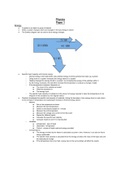
Deoxygenated Blood Flow- Right atrium> Tricuspid valve> Right ventricle>
Pulmonary Artery> Lungs (Reoxygenation)
Oxygenated Blood- Left atrium>Pulmonary vein> Mitral Valve> Left ventricle>
Aorta> Whole body
Internal Respiration- O2> Capillaries= Forces Co2 out of capillaries
Systemic Respiration- Co2 blood> Superior vena cavae (Upper part of body)
Co2 blood> Inferior Vena Cavae (Lower part of body)
External Respiration:
Co2 breathed out
O2 breathed in
Blood reoxygenation
Pulmonary Respiration- O2 enters pulmonary veins (Left side of body) then
pumped back around the other side of the body during circulation
Carotid- Neck Brachial- Elbow Radial- Wrists Femoral- Thighs
Homeostasis- Regulating temperature
Fibrinogen- Helps blood clot
Diuretics- Encourages fluid removal
Myocardial Infarction- Reduction of o2 blood due to thrombus (blood clot)
Myocarditis- Heart muscle inflammation
Valvular disease- Inadequate filling/emptying of heart
Angina (Myocardial Ischemia)- Blockage of arteries due to fatty deposits
Renal Failure-Kidney failure, unable to remove sufficient waste leading to
increased fluid retention.
Deoxygenated Blood Flow- Right atrium> Tricuspid valve> Right ventricle>
Pulmonary Artery> Lungs (Reoxygenation)
Oxygenated Blood- Left atrium>Pulmonary vein> Mitral Valve> Left ventricle>
Aorta> Whole body
Internal Respiration- O2> Capillaries= Forces Co2 out of capillaries
Systemic Respiration- Co2 blood> Superior vena cavae (Upper part of body)
Co2 blood> Inferior Vena Cavae (Lower part of body)
External Respiration:
Co2 breathed out
O2 breathed in
Blood reoxygenation
Pulmonary Respiration- O2 enters pulmonary veins (Left side of body) then
pumped back around the other side of the body during circulation
Carotid- Neck Brachial- Elbow Radial- Wrists Femoral- Thighs
Homeostasis- Regulating temperature
Fibrinogen- Helps blood clot
Diuretics- Encourages fluid removal
Myocardial Infarction- Reduction of o2 blood due to thrombus (blood clot)
Myocarditis- Heart muscle inflammation
Valvular disease- Inadequate filling/emptying of heart
Angina (Myocardial Ischemia)- Blockage of arteries due to fatty deposits
Renal Failure-Kidney failure, unable to remove sufficient waste leading to
increased fluid retention.