Contract Law - Consideration / Variation
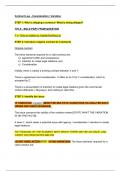
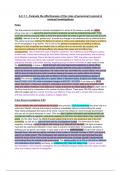
STEP 1: Who is alleging a contract / What is being alleged?
TITLE - BOLD PART FROM QUESTION
E.g. Chris in relation to Capital Roofing Ltd
STEP 2: Introduce original contract & 3 elements
Original contract
The three elements required for a valid contract are:
a) agreement (offer and acceptance);
b) intention to create legal relations; and
c) Consideration.
Initially, there is clearly a binding contract between X and Y.
There is agreement and consideration. X offers to do X for Y consideration, which is
accepted by Z.
There is a presumption of intention to create legal relations given the commercial
context (Edwards v Skyways), and nothing to rebut this.
STEP 3: Identify the issue
[IF VARIATION] Variation [MIGHT BE MULTIPLE VARIATIONS SO ANALYSE EACH
UNDER SEP ISSUE HEADINGS]
The issue concerns the validity of the variation where [STATE WHAT THE VARIATION
IS ON THE FACTS].
X does Y, which raises a potential issue with agency / consideration / intention to create
legal relations.
PUT HEADING OF THE ELEMENT WITH WHICH THERE MAY BE AN ISSUE, AND
CARRY ON FROM NOTES BELOW
[START HERE AFTER STEP 1 IF NO VARIATION] The three elements required for a
valid contract are:
, a) agreement (offer and acceptance);
b) intention to create legal relations; and
c) consideration.
There is X and Y.
Apply the relevant elements to facts from below (agreement, intention, or
consideration).
X does Y, which raises a potential issue with / issues of X and Y.
Agreement
The parties agree on the variation to the contract. X offers Y, and Z agrees.
Intention to create legal relations
- For commercial agreements, there is a very strong presumption of contractual
intention, i.e. that the parties intended the agreement to be legally binding
(Edwards v Skyways).
- This is rebuttable where specific wording states that the agreement was
not formal or legal (Rose and Frank Co v Crompton Bros).
- For domestic and social agreements (eg an agreement between family
members) there is a rebuttable presumption that there is no intention to create
legal relations (Balfour v Balfour) (agreement between spouses)
- This is rebuttable where, due to the nature of their relationship, the parties
would not have been prepared to rely on honourable undertakings and so
would have intended to create legal relations (Merritt v Merritt).
- [ONLY IF INTENTION IS AN ISSUE] The courts’ assessment of parties’
intentions is objective, based on what a reasonable person would have thought
was going on from what was said and done between the parties (Smith v
Hughes).
STEP 4: Define consideration (if this is the issue)
Consideration
Consideration is ‘some right, interest, profit or benefit accruing to the party or some
forbearance, detriment, loss or responsibility given, suffered or undertaken by the other’
STEP 1: Who is alleging a contract / What is being alleged?
TITLE - BOLD PART FROM QUESTION
E.g. Chris in relation to Capital Roofing Ltd
STEP 2: Introduce original contract & 3 elements
Original contract
The three elements required for a valid contract are:
a) agreement (offer and acceptance);
b) intention to create legal relations; and
c) Consideration.
Initially, there is clearly a binding contract between X and Y.
There is agreement and consideration. X offers to do X for Y consideration, which is
accepted by Z.
There is a presumption of intention to create legal relations given the commercial
context (Edwards v Skyways), and nothing to rebut this.
STEP 3: Identify the issue
[IF VARIATION] Variation [MIGHT BE MULTIPLE VARIATIONS SO ANALYSE EACH
UNDER SEP ISSUE HEADINGS]
The issue concerns the validity of the variation where [STATE WHAT THE VARIATION
IS ON THE FACTS].
X does Y, which raises a potential issue with agency / consideration / intention to create
legal relations.
PUT HEADING OF THE ELEMENT WITH WHICH THERE MAY BE AN ISSUE, AND
CARRY ON FROM NOTES BELOW
[START HERE AFTER STEP 1 IF NO VARIATION] The three elements required for a
valid contract are:
, a) agreement (offer and acceptance);
b) intention to create legal relations; and
c) consideration.
There is X and Y.
Apply the relevant elements to facts from below (agreement, intention, or
consideration).
X does Y, which raises a potential issue with / issues of X and Y.
Agreement
The parties agree on the variation to the contract. X offers Y, and Z agrees.
Intention to create legal relations
- For commercial agreements, there is a very strong presumption of contractual
intention, i.e. that the parties intended the agreement to be legally binding
(Edwards v Skyways).
- This is rebuttable where specific wording states that the agreement was
not formal or legal (Rose and Frank Co v Crompton Bros).
- For domestic and social agreements (eg an agreement between family
members) there is a rebuttable presumption that there is no intention to create
legal relations (Balfour v Balfour) (agreement between spouses)
- This is rebuttable where, due to the nature of their relationship, the parties
would not have been prepared to rely on honourable undertakings and so
would have intended to create legal relations (Merritt v Merritt).
- [ONLY IF INTENTION IS AN ISSUE] The courts’ assessment of parties’
intentions is objective, based on what a reasonable person would have thought
was going on from what was said and done between the parties (Smith v
Hughes).
STEP 4: Define consideration (if this is the issue)
Consideration
Consideration is ‘some right, interest, profit or benefit accruing to the party or some
forbearance, detriment, loss or responsibility given, suffered or undertaken by the other’