CARD Exam 1 BCAT 2024
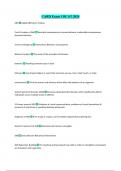
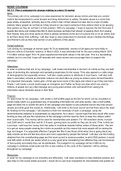
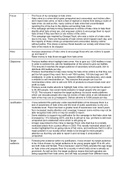
CARD Exam 1 BCAT 2024 ABA Applied Behavior Analysis Core Principles of ABA decrease behavior. Desirable consequences increase behavior, undesirable consequences 3 term contingency Antecedent, Behavior, Consequence Behavior Analysis behavior The study of the principles of behavior Anything someone says or does Stimulus Any physical object or event that someone can see, hear, smell, touch, or taste. environment All of the events and stimulus which affect the behavior of an organism. Autism Spectrum Disorder (ASD) Pervasive developmental disorder which significantly affects individuals across multiple areas of abilities. 3 Primary areas of ASD Problems w/ social communication, problems w/ social interactions & presence of restrictive or repetitive behaviors/interests. Diagnosis of ASD Prior to age 3, impact, can't be better explained by anything else. Goal for treatment of ASD EIBI Maximize each learners strengths. Early Intensive Behavioral Intervention Skill Repertoire Building The teaching and learning of new skills in order to strengthen and expand an individual's skill repertoire Discrete Trial Teaching, Natural Environment 3 prominent behavioral teaching approaches Training, Fluency Based Instruction (FBI) Discrete Trial Structured teaching method consisting of clear and direct presentation of learning trials to promote skill acquisition. Natural environment training Fluency Based Instruction Naturalistic teaching strategy. Taking an existing skill and increasing accuracy and speed of skill performance in order to develop competence primary reinforcer (food, drink) secondary reinforcer Reinforcer an innately reinforcing stimulus, such as one that satisfies a biological need a reinforcer that someone had to learn to like (games, coloring, puzzles etc) occurs after the behavior for the given SD Preference Assessment Aims to identify an individual's favorite things so that they can be used as rewards or potential "reinforcers" for desired behavior. Forced/Paired preference assessment Giving the learner just two options to identify what the individual wants. Can be given different options if not interested. multiple stimulus assessment An array of potential reinforcers is presented to the individual Prompts Urge for action, occurs around the time we present the SD Prompt Fading to reduce assistance to a least intrusive prompt prompt dependency requiring a prompt to perform a task Stimulus prompts Addition to or alters the stimulus in order to facilitate a correct response. (Manipulate) response prompt an additional cue added to the learners response to facilitate a correct response physical prompt manual guidance to facilitate a correct response model prompt providing a physical demonstration of the SD echoic prompt verbal directive gesture prompt positional prompt within stimulus full prompt providing a vocal demonstration of the SD Giving verbal instructions to guide. May include textual or visual providing a movement cue altering the location of placement adding to or altering a portion of the stimulus the entire prompt is delivered to assist the learner partial prompt only a portion of the prompt is delivered to help the learner stimulation manipulation manipulating any stimulus to make the prompt easier for the learner full delivery the cards out." tell the learner exactly what to do. I.e.- "play uno" vs "go get the uno box, and take inadvertent prompt accidently giving away the correct response by body language or placement. (looking, placing object in middle, holding hand closer to object) Errorless learning ensures success, early immediate prompts, prompts faded over time, decreases frustration/increases motivation (used during initial teaching stages) Acquisition Learning of a new skill Acquisition skill/Target skill individual. Prompt Hierarchy The response to a new behavior that is currently being taught to the A systematic arrangement of prompts used in a particular order to facilitate learning. Time Delay Delay in time between the SD and the prompts Constant time delay Progressive time delay Always waiting the same amount of time ie. 2 seconds Gradually increasing the time between the SD and the prompt each time. ie 2 seconds, 3, 4.. and so on Error correction correct response. Procedure following and incorrect or non response to help the learner learn the Least to most prompting usually used for behaviors that have already been learned, but for some reason the student is not responding. No-no prompt Allowing the student to get the incorrect or not respond twice before using a prompt. Shaping Systematically reinforcing successive approximations of a target behavior. reinforcing as it gradually becomes closer to the desired skill. Previous approximations will no longer be reinforced
Written for
- Institution
- CARD BCAT 2024
- Module
- CARD BCAT 2024
Document information
- Uploaded on
- February 26, 2024
- Number of pages
- 11
- Written in
- 2023/2024
- Type
- Exam (elaborations)
- Contains
- Questions & answers
Subjects
-
card exam 1 bcat 2024

Also available in package deal