SOCIAL STRATIFICATION
Key Study
Sociologist(s): Max Weber
Perspective: Interactionist
Summary:
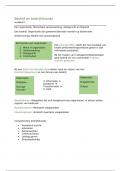
Defined class as a group of individuals who share a similar position in a
market economy – market situation. Those who share a similar class
background have similar life chances
Viewed differences between the various groups that did not own the means
of production e.g. highly skilled professionals who demand higher wages. He
saw no evidence to support polarization of classes – middle class expands
as capitalism develops.
Rejected the ideasof a revolution being inevitable and that political power
only comes from economic power.
Distinguished between 3 different sources of power:
1. Charismatic – special qualities of a leader – e.g. Nelson Mandela
2. Traditional – inherited status – e.g. the Queen
3. Legal rational – through established laws – e.g. Prime Minister
Power and stratification are not just based on the economic relationships
people enter into (Marx) or their market situation but on two other
key factors:
1. Status - level of prestige from an individual’s occupation, ethnicity, religion
or lifestyle
2. Party - including pressure groups, interest groups, such as trade unions –
power through solidarity
Evaluation:
New Right critical – Weber (and Marx) is bias, ignoring social mobility and
opportunities created by capitalism
Key Study
Sociologist(s): Max Weber
Perspective: Interactionist
Summary:
Defined class as a group of individuals who share a similar position in a
market economy – market situation. Those who share a similar class
background have similar life chances
Viewed differences between the various groups that did not own the means
of production e.g. highly skilled professionals who demand higher wages. He
saw no evidence to support polarization of classes – middle class expands
as capitalism develops.
Rejected the ideasof a revolution being inevitable and that political power
only comes from economic power.
Distinguished between 3 different sources of power:
1. Charismatic – special qualities of a leader – e.g. Nelson Mandela
2. Traditional – inherited status – e.g. the Queen
3. Legal rational – through established laws – e.g. Prime Minister
Power and stratification are not just based on the economic relationships
people enter into (Marx) or their market situation but on two other
key factors:
1. Status - level of prestige from an individual’s occupation, ethnicity, religion
or lifestyle
2. Party - including pressure groups, interest groups, such as trade unions –
power through solidarity
Evaluation:
New Right critical – Weber (and Marx) is bias, ignoring social mobility and
opportunities created by capitalism