CSTR STUDY GUIDE 5/2019 A New Updated Version Latest 2024Guaranteed Pass.
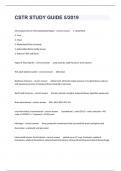
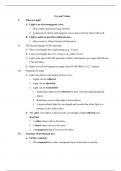
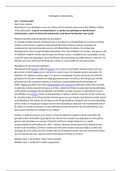
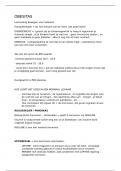
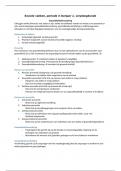
AIS Components for ISS Scaling-Body Region - correct answer 1. Head/Neck 2. Face 3. Chest 4. Abdominal/Pelvic Contents 5. Extremities/Pelvic Girdle Severe 6. External- Skin and Burns Types of head injuries - correct answer scalp wounds, skull fractures, brain injuries The adult skeletal system - correct answer 206 bones Skull base fractures - correct answer orbital roof, ethmoid, basilar process of occipital bone, petrous and squamous process of temporal bone (mastoid or petrous) Skull Vault fractures - correct answer frontal, parietal, occipital, temporal bones (specifies squamous) Brain Hematomas - correct answer EPH, SAH, SDH, IPH, ICH uncal herniation, transtentorial - correct answer (cerebellum) - code ICD-10 - cord contusion = AIS code of 140202.5 = 5 squared = 25 ISS score. Meninges - correct answer three protective membranes that surround the brain and spinal cord dura mater, arachnoid, and pia mater Intracranial Injuries-Focal injuries - correct answer picked up on CT scan. Contusion, epidural hematoma, subdural hematoma, subarachnoid hematoma, intracerebral/intraparenchymal hemorrhage Intracranial Injuries-Nonfocal Head Injuries - correct answer concussions, shear injury, diffuse axonal injury (DAI), anoxic brain injury (ABI) - these go down to the cellular level. Cranial Nerves and Functions - correct answer I. Olfactory- smell II. Optic - Vision III. oculomotor - Pupil, some extraocular movement IV. Troclear - extraocular movements V. Trigeminal - some movements of the jaw, sensation VI. Abducens- lateral extraocular movement VII. Facial - facial muscle movement, taste VIII. Acoustic- hearing, balance IX. Glossopharyngeal - pharynx-motor, ear/pharynx, tongue- movement X. Vagus - palate, larynx, pharynx, involuntary muscles XI. Accessory - sternocleidomastoid/trapezius muscles XII. Hypoglossal - tongue Facial Bones - correct answer • Orbits • Nasal bones • Maxillae • Mandible • Palatine • Vomer Facial Mechanisms of Injury - correct answer deep lacerations, deformity, difficulty speaking, visual changes, entrapment of muscles, rhinorrhea, otorrhea, trismus LeFort Fractures - correct answer Type I: maxilla dissociated from skull base - nasal aperture; "floating palate" Type II: central midface dissociation - inferior orbital rim, orbital floor; "pyramidal" Type III: complete midface dissociation - lateral orbital wall, zygomatic arch; "floating face" Other types of Facial Injuries - correct answer injuries to the nose, mandible, maxilla, eyes, ears Facial Diagnostics and Procedures - correct answer CT scan, MRI scan, X rays, ORIF, Enucleation or removal of the eyeball. Neck Structures - correct answer • Pharynx • Larynx • Epiglottis • Thyroid Cartilage • Cricoid Cartilage • Trachea • Esophagus • Vertebrae • Carotid Arteries: common, internal,external • Vertebral artery • Jugular vein • Vagus Nerve • Phrenic Nerve Neck Injury Indicators - correct answer • Bleeding • Stridor • Difficulty Breathing • Bruising to the Neck • Deviated Trachea • Subcutaneous emphysema • Zones of the Neck: 1. Angle of the mandible to base of the skull 2. Cricothyroid Cartilage Neck Trauma procedures - correct answer • Cricothyroidotomy - needle through a catheter • Tracheostomy - done when a patient is stabilized • Neck Exploration • Intubation Vertebral Column Dislocation - correct answer • Ligamentous injuries - ligaments' purpose is to keep spine aligned. • Dislocations - unilateral facet, bilateral facet • Subluxation- partial dislocation Vertebral Column Fractures - • Simple • % compression or wedge • Comminuted or burst - broken into pieces • Tear drop Spinal Cord Injuries - • Concussion - numbness and tingling • Contusion- bruising • Transection • Interruption in vascular supply • SCIWORA - spinal cord injury with radiological arteries Spinal Cord Descriptors - correct answer • Neurodeficits • Paresis- inability to move • Quadriplegia, tetraplegia - affects all parts • Paraplegia - affects lower half of the body in terms of movement • Hemiplegia - half of the body can't move Spinal Injury Diagnostics and Procedures - correct answer CT scan, MRI Procedures- cervical collar, tongs, halo traction, spinal decompression
Written for
- Institution
- CSTR.
- Module
- CSTR.
Document information
- Uploaded on
- April 28, 2024
- Number of pages
- 29
- Written in
- 2023/2024
- Type
- Exam (elaborations)
- Contains
- Questions & answers
Subjects
-
cstr study guide 52019

Also available in package deal