HLTH 200 Exam 1
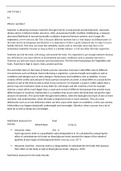
What is research - ANS-a systematic way of answering a health related question
Who does research - ANS-physicians, psychologists, nurses, university professors,
economists, administrators, public health workers, epidemiologists, consultants
What happens to research findings - ANS-publication--> dissemination-->translation
Study design - ANS-your choice of an appropriate study design to test the hypothesis
sample selection - ANS-the people who will be in your study and how you will select
them
data collection procedures - ANS-what will you measure in your study and how you will
collect the data
Hourglass metaphor for research process - ANS-begin with broad questions, narrow
down, focus in, operationlize, analyze data, research conclusions, generalize back to
questions
what is the health status of a group of people? - ANS-descriptive
what factors are related to their health status? - ANS-relational
what factors might affect(i.e "cause") their health problem? - ANS-causal
theoretical - ANS-concerned with developing, exploring, or testing theories
empirical - ANS-based on direct observations and measurements of reality
probabilistic - ANS-inferences based on probabilities
causal - ANS-interested in what leads to what(cause and effect)
feasability - ANS--trade offs between rigor and practicality
-focus
-understand the experiences of those that came before you
-anticipate the next research study that will come after yours
What is research - ANS-a systematic way of answering a health related question
Who does research - ANS-physicians, psychologists, nurses, university professors,
economists, administrators, public health workers, epidemiologists, consultants
What happens to research findings - ANS-publication--> dissemination-->translation
Study design - ANS-your choice of an appropriate study design to test the hypothesis
sample selection - ANS-the people who will be in your study and how you will select
them
data collection procedures - ANS-what will you measure in your study and how you will
collect the data
Hourglass metaphor for research process - ANS-begin with broad questions, narrow
down, focus in, operationlize, analyze data, research conclusions, generalize back to
questions
what is the health status of a group of people? - ANS-descriptive
what factors are related to their health status? - ANS-relational
what factors might affect(i.e "cause") their health problem? - ANS-causal
theoretical - ANS-concerned with developing, exploring, or testing theories
empirical - ANS-based on direct observations and measurements of reality
probabilistic - ANS-inferences based on probabilities
causal - ANS-interested in what leads to what(cause and effect)
feasability - ANS--trade offs between rigor and practicality
-focus
-understand the experiences of those that came before you
-anticipate the next research study that will come after yours