Heart Part 2, UTHSC Fall 2022 D2 Pathology
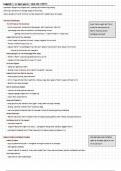
Heart Part 2, UTHSC Fall 2022 D2 Pathology what is the #1 cause of death in the US? Myocardial Infarction Myocardial Infarction epidemiology ~ 10% occur in people 40 years old, and 45% in those age 65 Myocardial Infarction has a correlation with what? genetic and behavioral predispositions to atherosclerosis Myocardial Infarction (MI) Pathogenesis via Coronary Arterial Occlusion 1. Acute change (hemorrhage, ulceration, rupture) in a coronary artery atheromatous plaque 2. Platelets adherence and activation following exposed subendothelial collagen, formation of microthrombi 3. Stimulation of vasospasm by mediators released from platelets 4. Activation of coagulation pathway by tissue factor 5. Expansion of the thrombus within minutes and completely occlusion the vessel lumen Myocardial Infarction (MI) Pathogenesis via Other Mechanisms - Vasospasm - Emboli from the left atrium, vegetations of infective endocarditis, endocardiac prosthetic material... - Ischemia without detectable or significant coronary atherosclerosis and thrombosis (vasculitis, sickel cell disease, amyloid deposition...) Myocardial Response Sequence of early biochemical findings and progression of necrosis after onset of severe myocardial ischemia what are the early changes of myocardial response? loss of ATP and accumulation of lactate how long is the ischemic myocardial injury reversible? for 30 minutes when does the progressive loss of viability begin? by 6 to 12 hours How are we able to gauge the Myocardial Response to an ischemic attack? 1. Disruption of the integrity of the sarcolemmal membrane, as the earliest detectable feature of myocyte necrosis 2. Leaking intracellular macromolecules out of necrotic cells into the cardiac interstitium and ultimately into microvasculature and lymphatics 3. Basis for blood tests sensitively detect irreversible myocyte damage how does the zone of necrosis spread through the tissue? from the inside out, endocardium through the myocardium to the epicardium Progression of Myocardial Ischemic Injury 1. Shift from aerobic to anaerobic metabolism in case of acute and severe ischemia → intracellular acidosis 2. Lose of the ability of cardiomyocytes for contraction within 2 minutes of onset of severe ischemia 3. Reversible myocardial injury if ischemia of less than 20 minutes 4. More swelling with precipitates of the mitochondria, and plasma membrane defects and other changes with increasing duration and severity of ischemia
Written for
- Institution
- Heart Part 2, UTHSC Fall 2022 D2 Pathology
- Course
- Heart Part 2, UTHSC Fall 2022 D2 Pathology
Document information
- Uploaded on
- March 15, 2023
- Number of pages
- 6
- Written in
- 2022/2023
- Type
- Exam (elaborations)
- Contains
- Questions & answers
Subjects
- heart part 2
-
uthsc fall 2022 d2 pathology what is the 1 cause of death in the us myocardial infarction myocardial infarction epidemiology 10 occur in people lt 40 years old
-
and 45 in those l