Cover Sheet
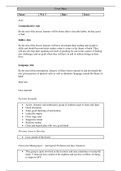
Name: WA 3 Date: Tutor:
Aims
Communicative Aim
By the end of the lesson, learners will be better able to describe habits, be they good
or bad.
Skill(s) Aim
By the end of the lesson, learners will have developed their reading and receptive
skills and should become better readers when it comes to the theme of habit. They
will also develop their speaking sub skill of speaking for gist in the context of finding
new challenges and set goals when they will have to add or subtract things in their
lives.
Language Aim
By the end of this introduction, learners will have been exposed to and developed the
use/ given practice of phrasal verbs as well as idiomatic language around the theme of
habit.
Materials
Own material
Previous Strengths
Active, dynamic and enthusiastic group of students eager to learn and share
Good elicitation
Some good checking of instructions
Logically staged
Clear stage aims
Supportive detail
Realistic timing
Clear and logical plan with very good detail
Previous Areas to Develop
Less control of the board
Classroom Management – Anticipated Problems and their Solutions
This group is quite involved in the lesson(s) and may sometimes overstep the
mark. T must not lose control of his students and use this overflow of energy
to improve STT
, A few students are different from the other in terms of fluency, pronunciation
and work speed. We might provide multiple activities for students to work at
their own rate and especially during the reading tasks.
Students might not understand every single word when they read the
document. T will use strong students to elicit the words or provide them with
definitions or even try to mime, act out some expressions
A few idiomatic expressions may be a problem for students because they
cannot be literally translated into SS’s first language (stuck in a rut / give it a
shot / from scratch)
Solution: Teacher will use plenty of examples in sentences and provide
definitions as well. Teacher can double check understanding by asking
students questions: “Can you think of a time you were stuck in a rut?” etc
SS may omit parts or mix up the syntax of this long expression (to follow in
the footsteps of…)
Solution: lots of repetitive drills
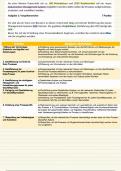
, Fill in the gaps with the following words:
● stuck in a rut ● to follow in her footsteps ● flying by ● desk-dwelling
● a nerd ● end up ● to figure out ● from scratch
● to stick ● give it a shot
● After losing his job, Bertrand was ______________________ because he couldn’t find a job
and didn’t want to go back to school.
● My mother told us never ______________________ , that we should always try to do better.
● It’s already Sunday! Time is ______________________ .
● People spend so much time sitting at their desks in their offices, it's like their second home.
They are ______________________ .
● If you're "computer-illiterate", you can easily take your computer to a
______________________ so he can solve your problem and explain how to do things.
● If you don't know what you want, you might ______________________ getting something
you don't want.
● To be most effective, you must first ______________________ what you need.
● Over these three years, an entirely new institution was built ______________________ .
● I learned that when I made small changes, they were more likely ______________________.
● I know the exam is really hard, but if I don't try, I'll never know if I have what it takes to pass
it, so I've decided ______________________.
Name: WA 3 Date: Tutor:
Aims
Communicative Aim
By the end of the lesson, learners will be better able to describe habits, be they good
or bad.
Skill(s) Aim
By the end of the lesson, learners will have developed their reading and receptive
skills and should become better readers when it comes to the theme of habit. They
will also develop their speaking sub skill of speaking for gist in the context of finding
new challenges and set goals when they will have to add or subtract things in their
lives.
Language Aim
By the end of this introduction, learners will have been exposed to and developed the
use/ given practice of phrasal verbs as well as idiomatic language around the theme of
habit.
Materials
Own material
Previous Strengths
Active, dynamic and enthusiastic group of students eager to learn and share
Good elicitation
Some good checking of instructions
Logically staged
Clear stage aims
Supportive detail
Realistic timing
Clear and logical plan with very good detail
Previous Areas to Develop
Less control of the board
Classroom Management – Anticipated Problems and their Solutions
This group is quite involved in the lesson(s) and may sometimes overstep the
mark. T must not lose control of his students and use this overflow of energy
to improve STT
, A few students are different from the other in terms of fluency, pronunciation
and work speed. We might provide multiple activities for students to work at
their own rate and especially during the reading tasks.
Students might not understand every single word when they read the
document. T will use strong students to elicit the words or provide them with
definitions or even try to mime, act out some expressions
A few idiomatic expressions may be a problem for students because they
cannot be literally translated into SS’s first language (stuck in a rut / give it a
shot / from scratch)
Solution: Teacher will use plenty of examples in sentences and provide
definitions as well. Teacher can double check understanding by asking
students questions: “Can you think of a time you were stuck in a rut?” etc
SS may omit parts or mix up the syntax of this long expression (to follow in
the footsteps of…)
Solution: lots of repetitive drills
, Fill in the gaps with the following words:
● stuck in a rut ● to follow in her footsteps ● flying by ● desk-dwelling
● a nerd ● end up ● to figure out ● from scratch
● to stick ● give it a shot
● After losing his job, Bertrand was ______________________ because he couldn’t find a job
and didn’t want to go back to school.
● My mother told us never ______________________ , that we should always try to do better.
● It’s already Sunday! Time is ______________________ .
● People spend so much time sitting at their desks in their offices, it's like their second home.
They are ______________________ .
● If you're "computer-illiterate", you can easily take your computer to a
______________________ so he can solve your problem and explain how to do things.
● If you don't know what you want, you might ______________________ getting something
you don't want.
● To be most effective, you must first ______________________ what you need.
● Over these three years, an entirely new institution was built ______________________ .
● I learned that when I made small changes, they were more likely ______________________.
● I know the exam is really hard, but if I don't try, I'll never know if I have what it takes to pass
it, so I've decided ______________________.